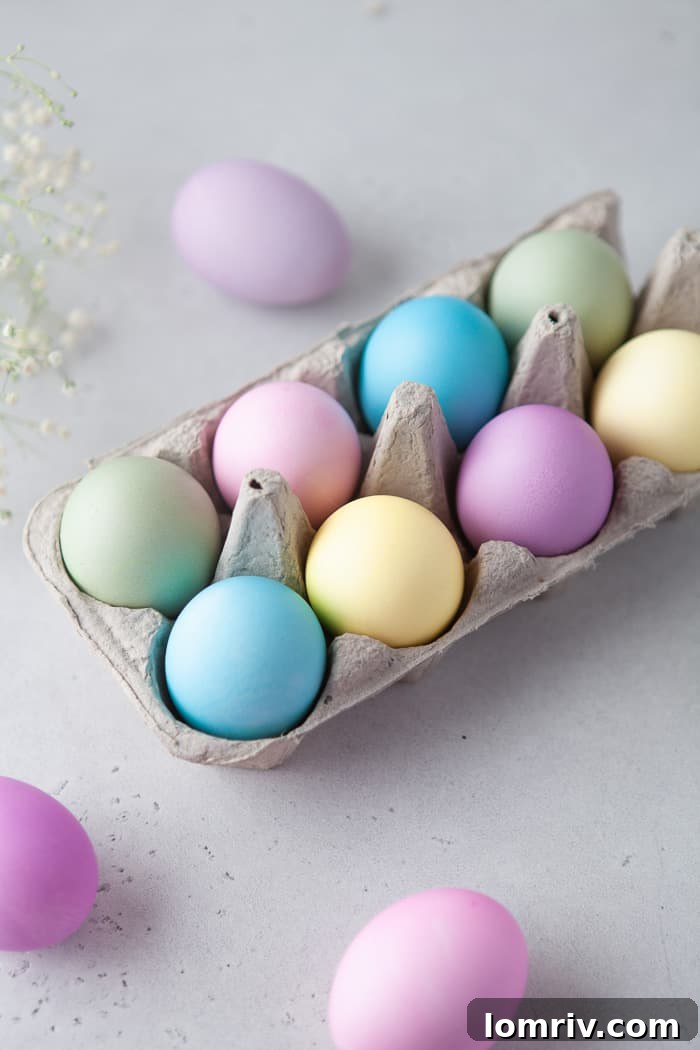
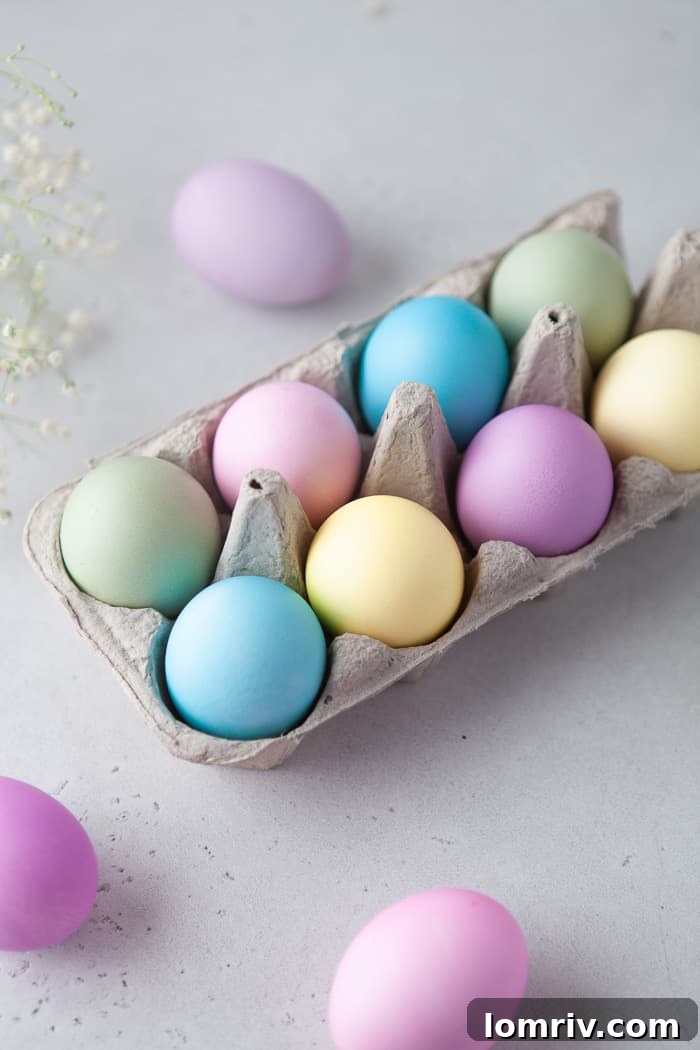
How to Dye Easter Eggs Without a Kit: Your Ultimate DIY Guide
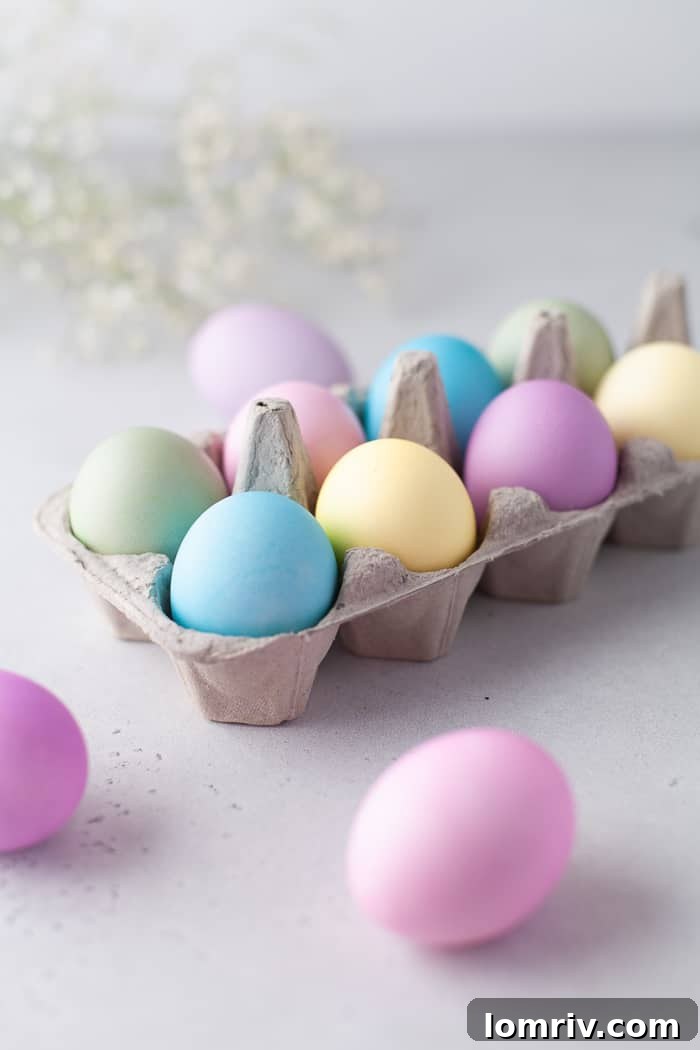
Easter is a time for joy, family, and timeless traditions – and dyeing Easter eggs is undoubtedly one of the most cherished. The vibrant colors and the simple act of creation bring smiles to faces of all ages. However, if you’ve ever found yourself in the eleventh hour, realizing you forgot to pick up a specialized egg-dyeing kit from the store, don’t despair! You are absolutely not alone, and this guide is here to save your Easter.
This comprehensive tutorial will walk you through the surprisingly simple process of creating beautifully colored Easter eggs using only a handful of everyday ingredients you likely already have in your kitchen pantry. Forget the expense and limitations of store-bought kits; prepare to unlock a world of vibrant hues and personalized designs with just three basic items. Get ready to transform ordinary white eggs into extraordinary works of art, making this Easter memorable and effortlessly fun.
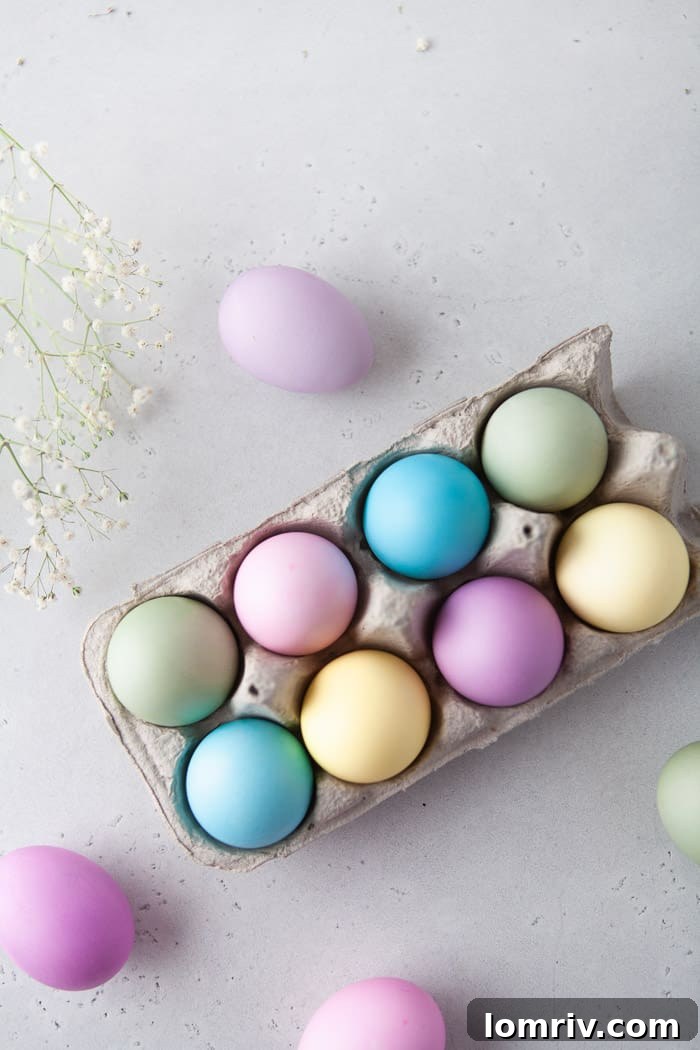
The Benefits of DIY Easter Egg Dyeing
Choosing to dye Easter eggs without a kit offers numerous advantages beyond simply saving a last-minute trip to the store. This homemade approach empowers you with creative freedom, budget-friendliness, and a rewarding hands-on experience that commercial kits often can’t match.
Cost-Effective and Accessible
Egg dyeing kits can add up, especially if you plan to color several dozens of eggs for a large family gathering or an extensive egg hunt. Our DIY method relies on affordable, readily available pantry staples, making it an incredibly economical choice. You’ll use common items like white vinegar and food coloring, which means you’re likely to have them on hand, eliminating extra shopping trips and saving money.
Unleash Your Creativity
With a DIY approach, your imagination is the only limit. Unlike pre-selected kit colors, you have complete control over your palette. You can mix and match food colorings to create unique shades, experiment with different dye concentrations for pastel or intensely vibrant results, and even explore gradients. Each egg becomes a blank canvas, allowing you to tailor your Easter display to match your home decor, personal style, or simply the whims of your family’s preferences.
A Family-Friendly Tradition
Dyeing eggs is a fantastic activity for all ages, fostering creativity and providing cherished family bonding time. Children delight in watching plain eggs transform into colorful treasures, and this simple method ensures that even the youngest helpers can participate safely. It’s an activity that creates lasting memories and strengthens family traditions, making Easter even more special.
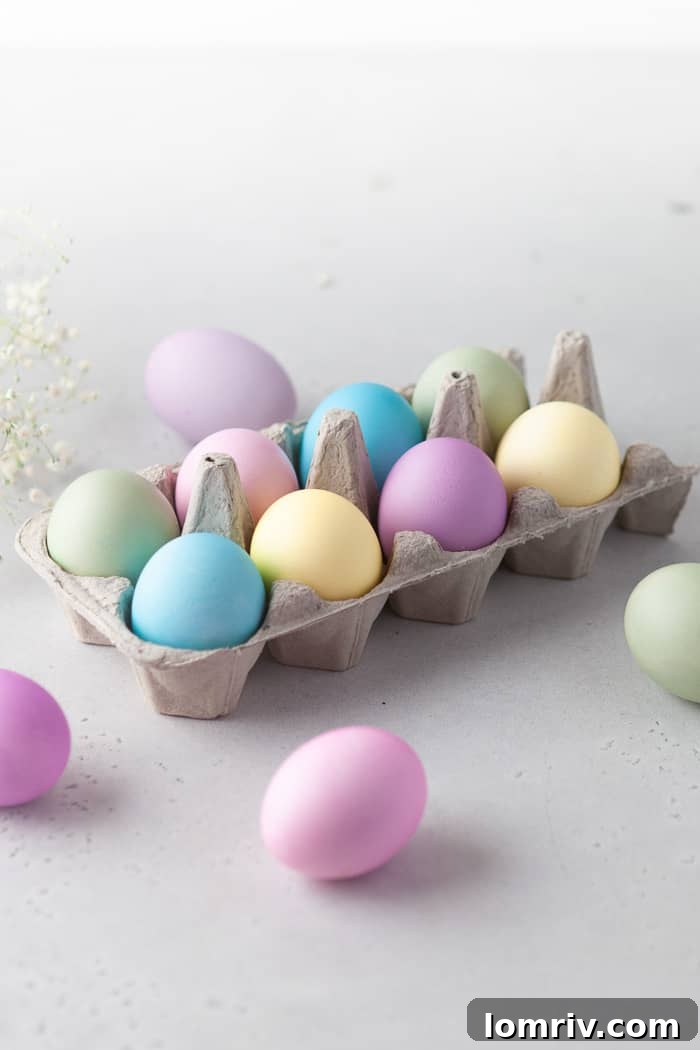
Essential Ingredients for Homemade Egg Dye
You’ll be delighted to discover that crafting beautifully dyed Easter eggs requires just three fundamental ingredients. These simple items work in harmony to produce stunning results, proving that you don’t need fancy kits to achieve festive perfection.
- One Dozen White Eggs: While brown eggs can also be dyed, white eggs serve as the best base for achieving vibrant, true-to-color results. Their light shells allow the dye to show up brightly and clearly.
- Food Coloring: This is your primary source of color. Both liquid and gel food colorings work wonderfully. A standard pack of primary colors (red, yellow, blue, green) is all you need, as you can mix them to create an endless spectrum of secondary and tertiary hues.
- White Vinegar: This unassuming pantry staple is the secret ingredient that makes all the difference! Vinegar, an acid, plays a critical role in helping the dye adhere to the eggshell, resulting in richer, more intense, and beautifully saturated colors.
The Science Behind White Vinegar
Many wonder why vinegar is essential for effective egg dyeing. Eggshells are naturally porous, but without assistance, food coloring pigments struggle to penetrate deeply. White vinegar, being an acetic acid, gently etches the calcium carbonate surface of the eggshell. This microscopic etching creates tiny channels that allow the dye molecules to bind more effectively and deeply to the shell. The result? Brighter, more uniform colors that truly pop. Without vinegar, your eggs might come out with very pale, streaky, or uneven colors, as the dye would mostly sit on the surface.
Choosing the Right Food Coloring
When selecting food coloring, you have a couple of options. Liquid food coloring is widely available in grocery stores and is very easy to use. Gel food coloring, often found in baking supply sections or craft stores, is more concentrated, meaning you’ll need fewer drops to achieve intense colors. Both types are food-safe and perfect for this project. Don’t be afraid to experiment with mixing colors – for instance, a few drops of blue and yellow can create a lovely green, while red and a touch of blue can yield various shades of purple.
Beyond Ingredients: Essential Tools for DIY Egg Dyeing
In addition to your core ingredients, gathering a few standard kitchen tools will ensure a smooth and enjoyable egg-dyeing experience. These items are common household staples, so you won’t need to purchase anything specialized.
- Large Pot: Indispensable for perfectly hard-boiling your eggs before the dyeing process begins.
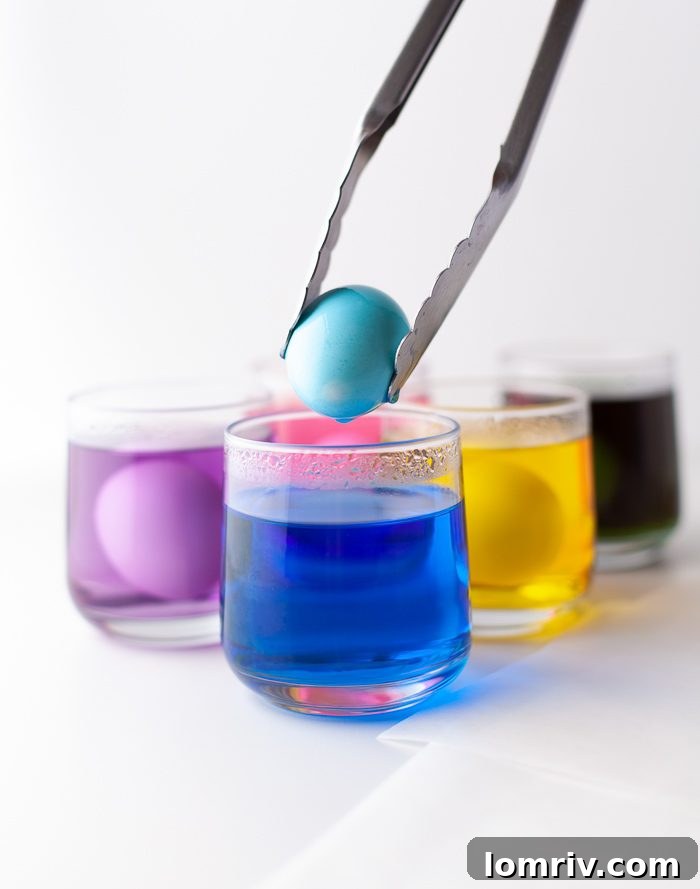
- Tongs or a Slotted Spoon: Crucial for safely handling hot eggs and gently lowering them into, and retrieving them from, the dye solutions. This prevents burned fingers and accidental drops.
- Paper Towels or Old Cloths: Essential for protecting your workspace from spills and for providing a clean, absorbent surface for your newly dyed eggs to dry on.
- Small Bowls or Cups: You’ll need one container for each color you wish to create. Glass or ceramic bowls are ideal as they are less likely to stain than plastic and allow you to see the color development clearly. Ensure they are deep enough to fully submerge an egg.
- Toothpicks or Skewers: Handy for precisely adding drops of food coloring and for stirring the dye solutions to ensure an even mix.
- Cooling Rack (Optional): While paper towels work perfectly well for drying, a wire cooling rack can offer more even airflow around the eggs, preventing flat spots and potential color smudges.
DIY Egg Dyeing Best Practices: Tips for Achieving Stunning Results
To ensure your Easter egg creations are as vibrant and beautiful as possible, keep these expert tips in mind throughout the preparation and dyeing process. A little attention to detail goes a long way!
1. Master the Art of Hard-Boiling Eggs
The foundation of any successful egg-dyeing project is a perfectly hard-boiled egg. Raw eggs are a recipe for mess and disappointment, especially when children are involved. Follow these steps for flawless hard-boiled eggs:
- Placement: Gently place your white eggs in a single layer at the bottom of a large pot.
- Water Coverage: Cover the eggs with at least one inch of cold water.
- Boil: Bring the water to a rapid, rolling boil over medium-high heat.
- Steep: Once the water reaches a full boil, immediately remove the pot from the heat, cover it tightly with a lid, and let the eggs sit in the hot water for 8-12 minutes. This method ensures firm yolks without overcooking.
- Cool Down: Promptly transfer the cooked eggs to an ice bath (a bowl of ice water) or rinse them under cold running water for several minutes. This stops the cooking process and prevents the unsightly greenish ring that can form around the yolk, while also making the eggs easier to peel later.
2. Work with Chilled, Hard-Boiled Eggs
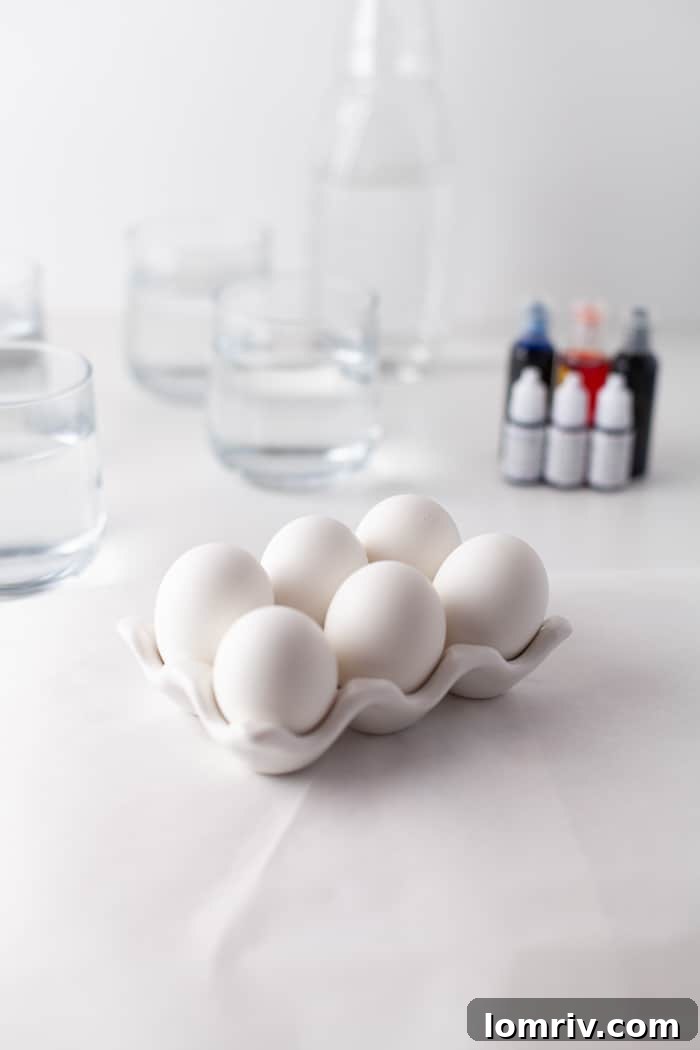
Once your eggs are perfectly hard-boiled and thoroughly cooled, they are ready for decorating. Working with chilled eggs is much easier, as they are less fragile and simpler to handle without cracking. Always confirm that you are using food-safe dyes. Standard liquid or gel food colorings are ideal for this, as they are safe for consumption and produce excellent results. Using cold eggs also helps the dye adhere more evenly, preventing streaks.
Exploring Natural Dye Alternatives (Advanced Option)
For an eco-friendly and unique dyeing experience, consider creating your own natural dyes. While these often yield more subtle, earthy tones and require a bit more preparation, they are a beautiful alternative to artificial food colorings:
- For Blue/Purple: Chop 1/4 head of red cabbage, boil it in 4 cups of water with 2 tablespoons of white vinegar for 30 minutes, then strain.
- For Yellow: Boil 2 tablespoons of turmeric powder in 2 cups of water with 1 tablespoon of white vinegar for 15 minutes, then strain. Onion skins (from about 4-5 yellow onions) boiled in water with vinegar also create a lovely golden yellow.
- For Pink/Red: Use canned beet juice, or boil chopped fresh beets in water with vinegar, then strain.
- For Green: Boil fresh spinach leaves in water with vinegar, or mix blue and yellow natural dyes.
3. Don’t Be Shy with Color Concentration
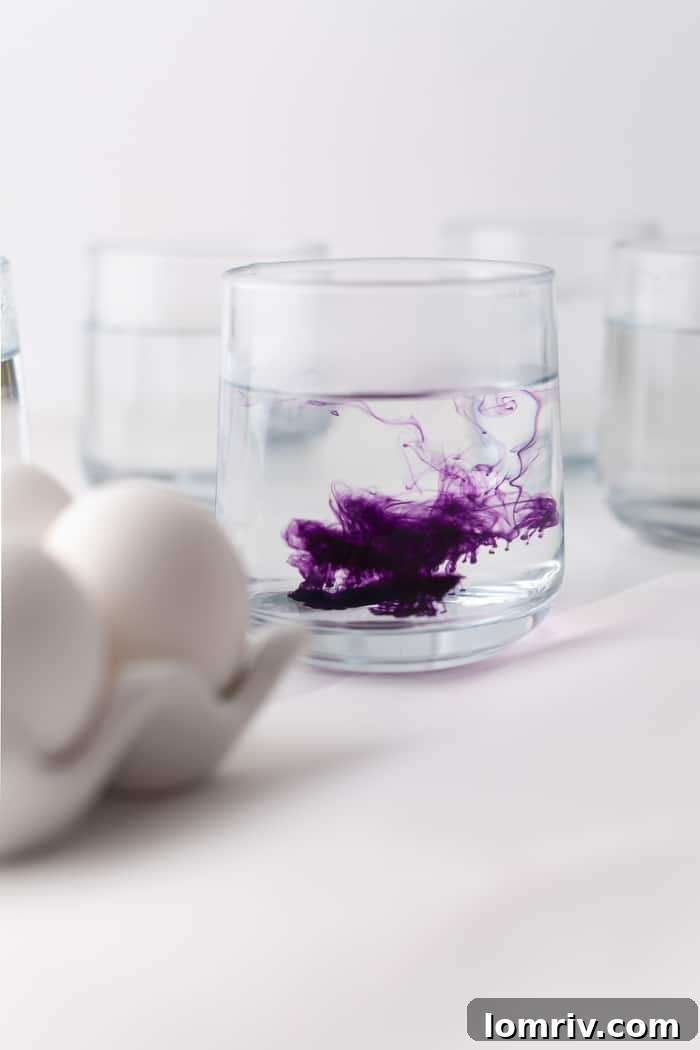
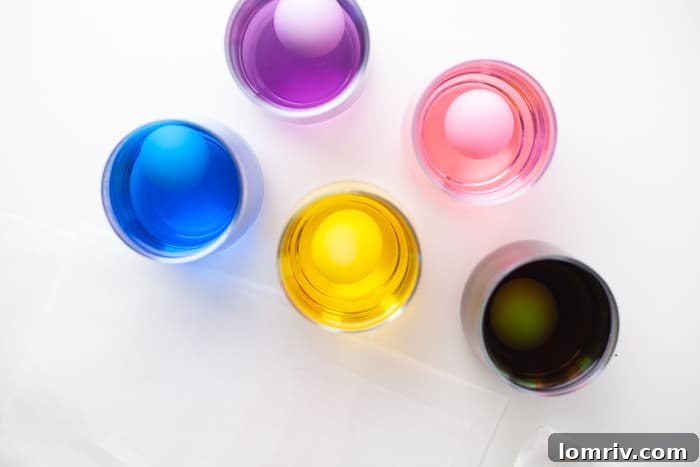
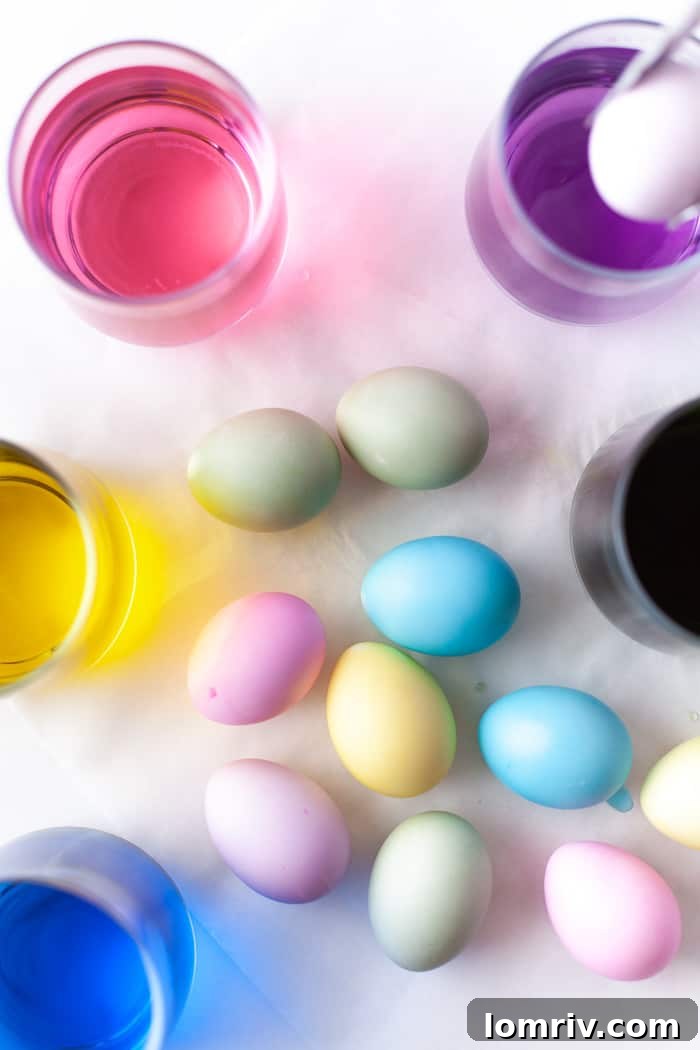
The vibrancy of your dyed eggs largely depends on the amount of food coloring you use. While a starting point of 1-2 drops per cup of dye solution is a good baseline for pastel shades, don’t hesitate to increase it. For richer, darker, and more intense colors, aim for 3-5 drops, or even up to 5-10 drops for jewel-toned results. Remember, the more food coloring you add to the white vinegar and water mixture, the deeper the final hue will be. Lighter colors, such as yellow, orange, and light pink, often require longer soaking times – sometimes even overnight in the refrigerator – to develop their full potential.
4. Protect Your Dyeing Zone
Egg dyeing can be a delightfully messy activity. Before you begin, cover your work surface generously with old newspapers, plastic tablecloths, or several layers of paper towels. Consider having old towels or aprons on hand for yourself and any little helpers to protect clothing from accidental drips and splashes. This simple step will save you from potential stains and make cleanup much easier.
5. Experiment with Soaking Times for Varied Shades
The duration an egg spends in the dye bath directly correlates to the intensity of its color. A brief dip of 3-5 minutes will typically yield lovely pastel shades. For medium intensity colors, soak the eggs for 10-15 minutes. To achieve deep, saturated, and vivid hues, allow the eggs to remain in the dye solution for 30 minutes or even longer – up to several hours. For the most intense colors, particularly with lighter shades like yellow or orange, you can even leave the eggs soaking in the refrigerator overnight. Just make sure the dye cups are covered to prevent evaporation.
Step-by-Step Guide: How to Dye Easter Eggs Without a Kit
Now that you’re equipped with all the knowledge and tips, let’s dive into the simple, step-by-step process of dyeing your Easter eggs using everyday ingredients. Get ready for some colorful fun!
Materials Needed (Yield: 1 dozen eggs):
- 1 Dozen white eggs
- White vinegar
- Variety of food coloring (liquid or gel)
Tools Required:
- Large pot
- Tongs or slotted spoon
- Paper towels or old cloths
- Small bowls or cups (one for each color)
- Toothpicks or skewers
Instructions:
- Hard-Boil the Eggs: In a large pot, bring enough water to a rolling boil over medium heat. Carefully add the white eggs, ensuring they are in a single layer. Boil for approximately 8 minutes to hard-boil them perfectly.
- Cool Completely: Immediately after boiling, remove the eggs from the hot water and transfer them to a large bowl filled with ice water. Allow them to cool completely. This prevents overcooking and ensures the best surface for dye absorption.
- Prepare Your Workspace: Cover your work surface with paper towels or newspaper to protect it from potential spills and drips. Arrange the small bowls or cups you intend to use for each color.
- Create Dye Solutions: Pour enough hot tap water into each cup or bowl to completely submerge an egg. The warmer water helps the dye dissolve and absorb better.
- Add Vinegar and Color: To each bowl, add 1 tablespoon of white vinegar. Then, carefully add 1 to 2 drops of your chosen food coloring for pastel shades. For darker, more vibrant hues, add 3 to 5 drops, or even up to 10 drops for very intense colors. Use a toothpick or skewer to gently stir the solution until the color is evenly distributed.
- Submerge and Soak Eggs: Using tongs or a slotted spoon, gently place a cooled, hard-boiled egg into each dye solution. Ensure the egg is fully submerged. Let the egg soak for at least 5 minutes for a light color. For a deeper, more intense hue, allow the egg to remain in the dye for a longer period, ranging from 15 to 30 minutes, or even several hours (up to overnight in the refrigerator for maximum vibrancy).
- Remove and Dry: Once the eggs have reached your desired color intensity, carefully remove them from the dye bath using tongs. Place the freshly dyed eggs on a fresh sheet of paper towel or a wire cooling rack to dry thoroughly. This step prevents smudging and allows the color to set properly.
- Enjoy Your Creations: Once all your eggs are dyed and completely dry, they are ready for display, an exciting Easter egg hunt, or to be enjoyed as a festive, colorful snack!
Creative Ideas for Displaying and Using Your Dyed Easter Eggs
Once your beautifully colored Easter eggs are dry and ready, the fun continues! There are numerous ways to incorporate them into your holiday celebrations, from festive decorations to delicious treats.
- The Ultimate Easter Egg Hunt: The classic choice! Hide your homemade dyed eggs around your yard or home for an exciting egg hunt that families, especially children, absolutely adore. Just be sure to keep a mental note (or even a written list!) of your hiding spots to avoid missing any.
- Festive Table Centerpiece: Arrange your vibrant eggs in a decorative basket, bowl, or on a tiered stand to create a stunning and personalized centerpiece for your Easter dinner table. You can enhance the display with artificial grass, spring flowers, or decorative ribbons for extra charm.
- Thoughtful Easter Basket Gifts: Tuck a few of your beautifully dyed eggs into Easter baskets as a sweet, homemade gift for friends, family, or neighbors. It’s a personal touch that shows you care.
- Edible Delights: Since you’ve used food-safe dyes, these hard-boiled eggs are perfect for eating! Enjoy them as healthy, colorful snacks, slice them into salads, or transform them into a delicious and festive egg salad.
- Marble Effects: For a unique marbled look, add a teaspoon of vegetable oil to your dye bath just before adding the egg. The oil will resist the dye, creating intriguing, swirling patterns on the shell.
- Wax Resist Designs: Before dipping, use a white crayon to draw patterns, stripes, dots, or even initials on the eggs. The wax will repel the dye, revealing your design in white against the colored background.
- Gradient Colors: Achieve stunning ombré effects by gradually dipping an egg into a dye, pulling it out slightly every few minutes, and allowing different sections to soak for varying lengths of time.
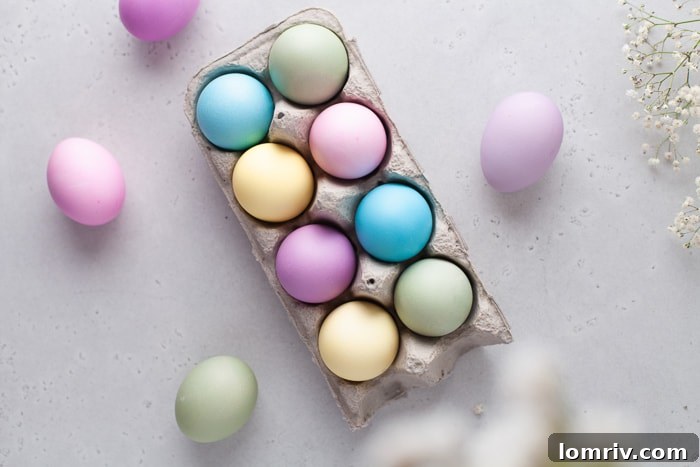
These homemade dyed eggs are not just a simple craft; they are a symbol of spring, renewal, and the joyous spirit of Easter. They are sure to bring smiles to everyone’s faces and add a personal touch to your Easter festivities. Happy Easter!
More Easter-Inspired Delights
Looking for more delightful ways to celebrate Easter with delicious treats and festive baking? Explore these wonderful recipes from A Classic Twist to complete your holiday spread:
- Speckled Easter Cake
- Easter Chocolate Cupcakes
- Easter Basketweave Cake
- Easter Cake Pops
- Lemon Easter Cookies
Share Your Colorful Creations!
We absolutely love seeing your festive Easter creations! What beautiful colors did you choose for your eggs? Did you experiment with any unique decorating techniques or natural dyes? We encourage you to share your masterpieces with us and the community. Let us know your favorite tips or any new ideas you discovered in the comment section below.
If you share your stunning dyed eggs across social media, please make sure to tag #aclassictwist so we can admire your beautiful work and celebrate your crafting success! Happy crafting and happy Easter, friends!