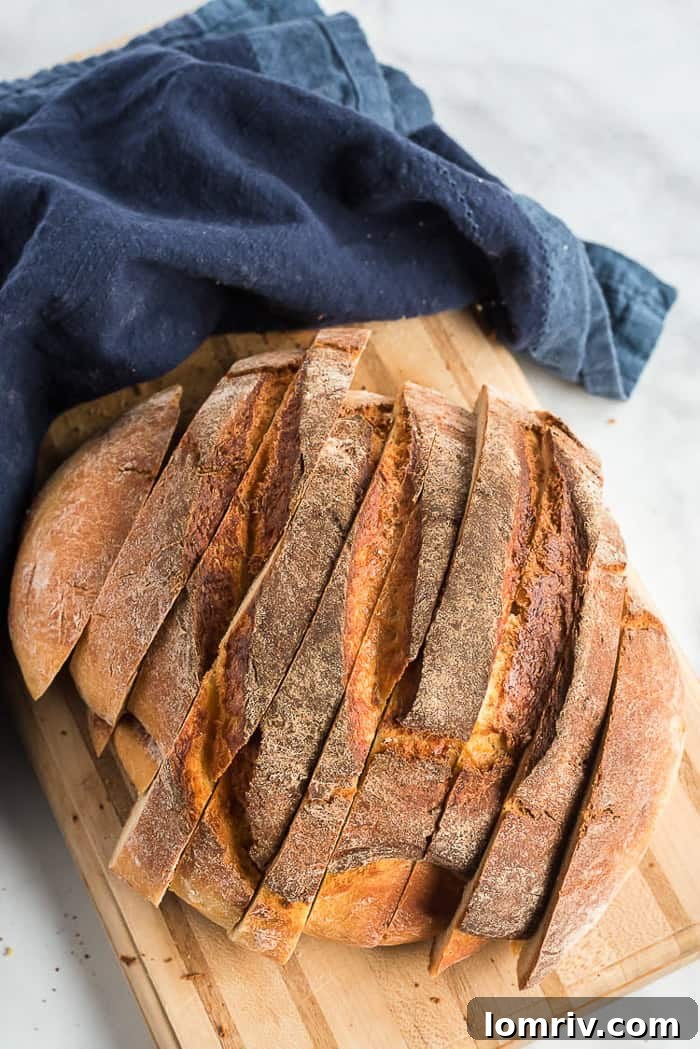
Mastering Homemade Honey Whole Wheat Bread: A Delicious Journey
Experience the unparalleled joy of baking your own Honey Whole Wheat Bread. Its naturally sweet and nutty flavor, combined with a wonderfully soft crumb and crisp crust, is sure to make it a beloved staple in your home. This comprehensive guide details a personal baking journey, offering insights, tips, and a perfected recipe.
The Irresistible Allure of Homemade Bread
There’s an undeniable magic that happens when you bake bread at home. The transformation of simple ingredients – flour, water, yeast, and a touch of honey – into a warm, fragrant loaf is nothing short of alchemy. Beyond the delightful aroma that fills every corner of your kitchen, homemade bread offers a depth of flavor and a texture that store-bought versions simply cannot replicate. It’s a sensory experience, a labor of love, and a testament to the joy of creating something truly wholesome from scratch.
For many, the idea of baking bread from scratch might seem daunting, conjuring images of complex techniques and unpredictable outcomes. However, the satisfaction of pulling a perfectly golden loaf from the oven, knowing every ingredient that went into it, is an incredibly rewarding experience. This guide will walk you through the process of creating a delicious Honey Whole Wheat Bread, sharing not just the recipe, but also the journey, the challenges, and the invaluable lessons learned along the way.
My Baking Odyssey: From Beginner’s Luck to Loaf Mastery
My personal adventure into the world of bread making began with a deceptively easy win. A few weeks prior, I successfully baked a batch of charming Hot Cross Buns. These “itsy bitsy buns of sweetness” were a wonderful introduction to working with yeast and dough, granting me a false sense of effortless mastery. Little did I know, the leap from small, individual buns to a substantial loaf of bread presents an entirely different set of challenges and demands a more refined touch.
Driven by the countless captivating images and descriptions of fresh homemade bread online, I felt compelled to try my hand at a hearty Honey Whole Wheat loaf. The internet paints such a romantic picture of bread baking – effortlessly rustic, perfectly formed, and always delicious. Armed with enthusiasm and a fresh supply of high-quality yeast samples from my trusted partners at RED STAR Yeast, I eagerly embarked on this new baking quest. I believed my Hot Cross Bun success was a sign of natural talent, but bread, as I would soon discover, has its own intricate demands.
The Unforeseen Challenges: A Series of Three Attempts
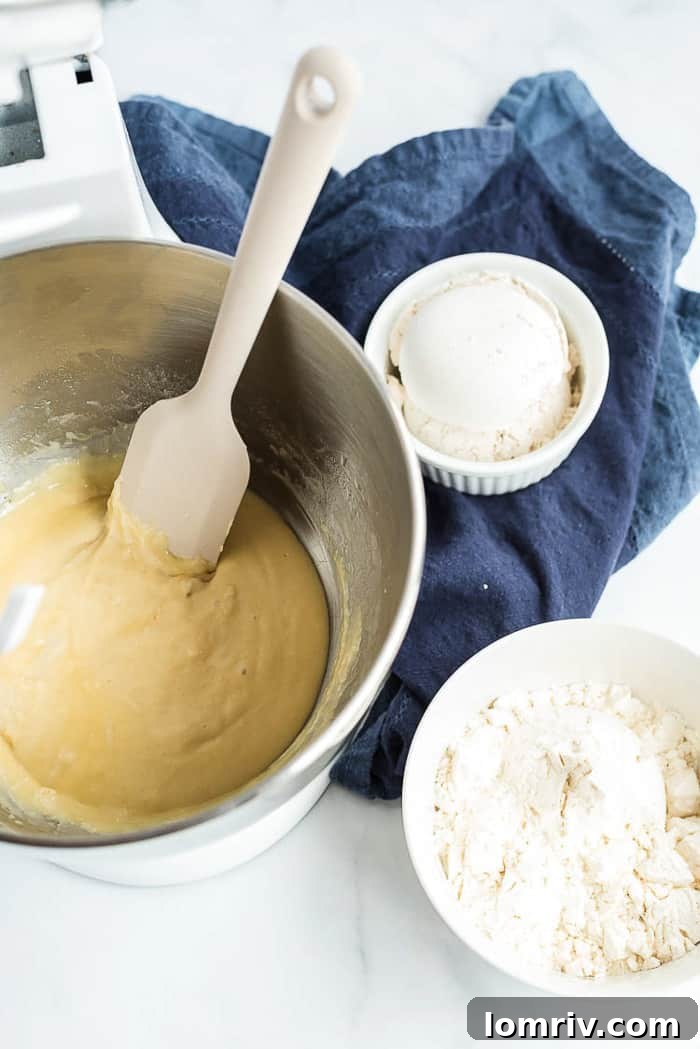
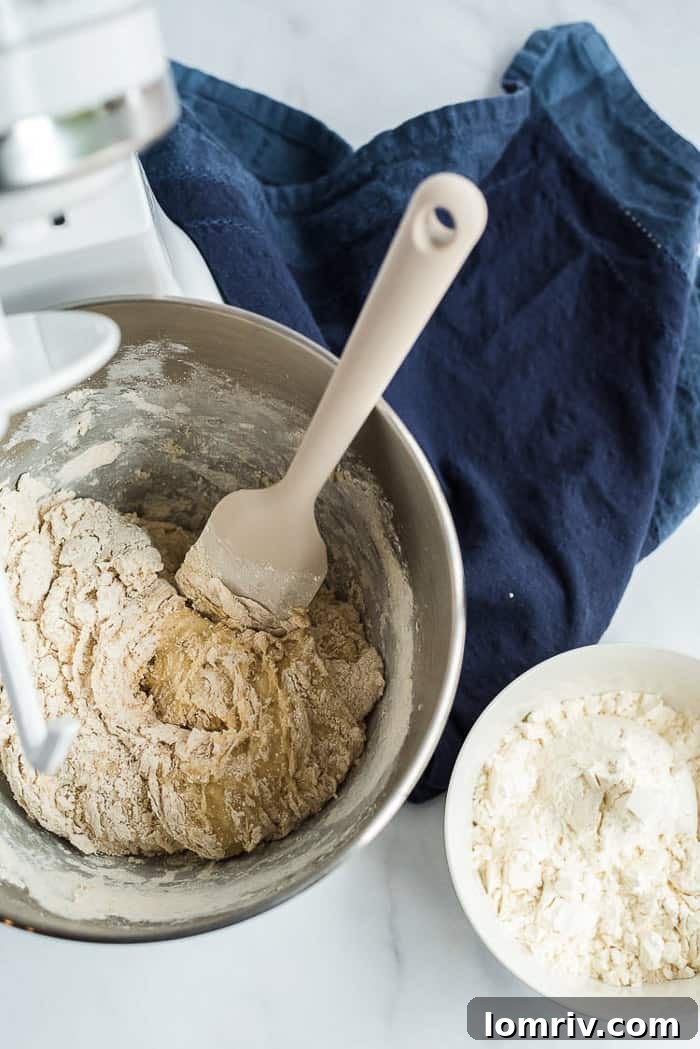
The path to baking enlightenment is rarely linear, and this Honey Whole Wheat Bread proved to be a formidable teacher. It wasn’t until my third attempt that I managed to produce a loaf that was both presentable and truly delicious. Interestingly, the yeast was never the issue. Each time, the dough rose beautifully and energetically, “proofing” (the official term for rising dough) as perfectly as one could hope, demonstrating the excellent quality of the RED STAR yeast. As the accompanying photos attest, the dough was consistently vibrant and active.
Mastering the Art of Dough Handling
My failures were entirely self-inflicted, stemming primarily from my inexperienced dough handling techniques. While I frequently bake delicate macarons, which require an almost surgical precision and gentle touch, working with bread dough, especially one incorporating whole wheat, is a completely different discipline. Bread dough is a living matrix, and its structure is incredibly sensitive to how it’s treated. Aggressive handling, insufficient kneading, or improper shaping can lead to a multitude of issues, from dense, crumbly loaves to those that refuse to rise properly.
I learned that dough requires a careful balance of strength and tenderness. It needs to be worked enough to develop gluten, which gives the bread its elasticity and structure, but not so much that it becomes tough. The subtle art of kneading, the gentle deflating after the first rise, and the precise shaping of the loaf are critical steps that determine the final outcome. My early attempts taught me that respect for the dough’s delicate nature is paramount; it’s a business that demands both patience and practice.
The Breakthrough Loaf: A Triumph of Taste (and Persistence)
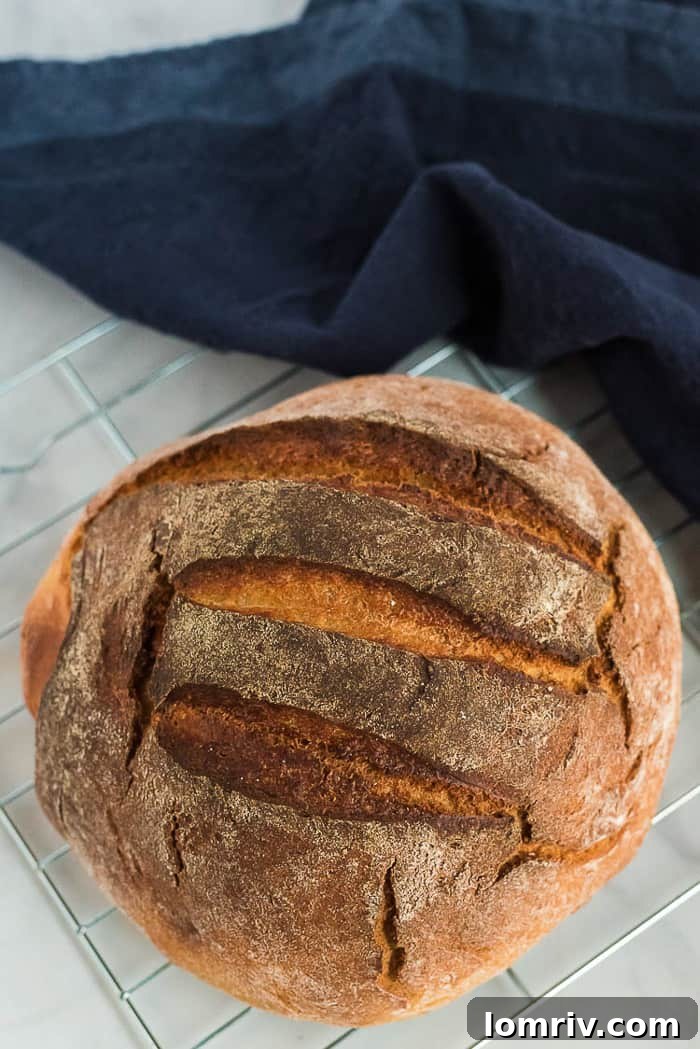
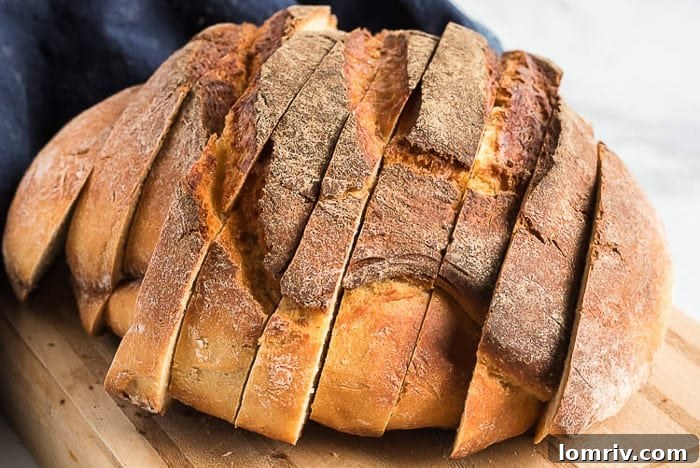
Through persistence and a renewed focus on technique, my third attempt yielded what I proudly deemed a “decent” loaf. While it might not have been a masterpiece of aesthetic perfection, its taste and texture were undeniably sublime. This loaf was a testament to the idea that even an imperfectly shaped homemade bread, born from trial and error, can be far superior to a flawlessly uniform store-bought one. It was a victory of flavor over form, and a deeply satisfying culinary achievement.
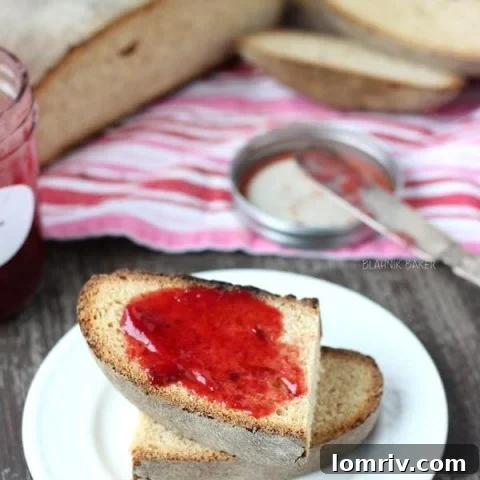
This Honey Whole Wheat Bread truly embodied everything fresh, homemade bread should be. The interior was wonderfully soft and yielding, offering a delightful chew, while the crust, though imperfectly formed, had a satisfying crispness. But perhaps the most enchanting aspect was the aroma. As it baked, my entire house was enveloped in the sweet, nutty, comforting scent of a bustling bakery. This intoxicating fragrance made all the preceding struggles fade into insignificance, replaced by a profound sense of accomplishment and anticipation.
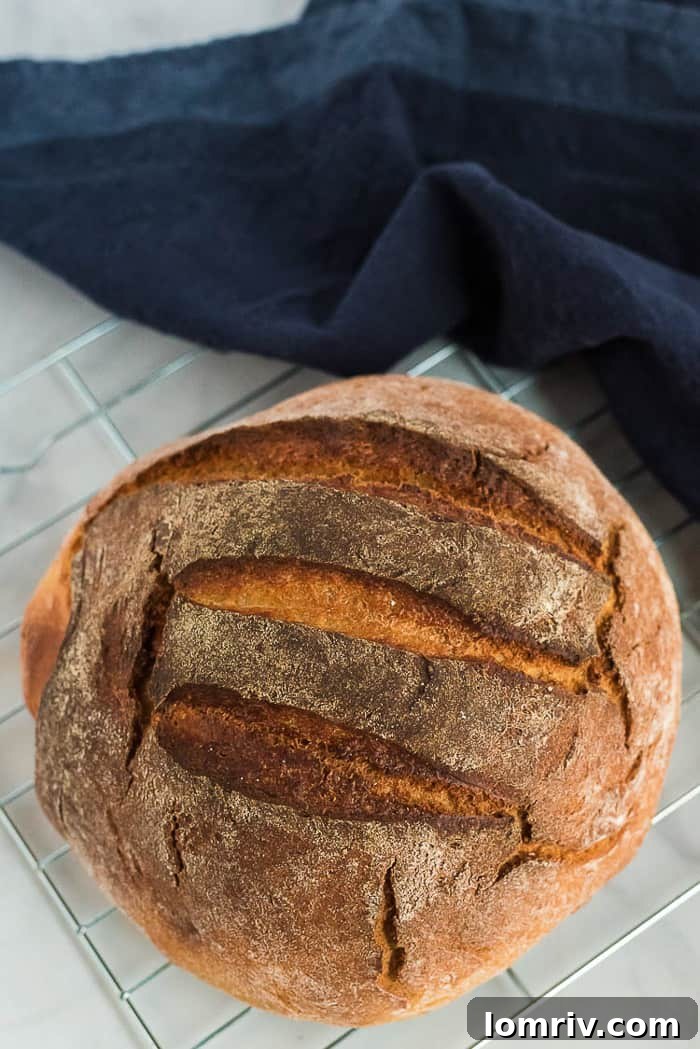
A small confession for the sake of transparency: the specific loaf pictured here did spend a fraction too long in the oven, resulting in a somewhat extra-crisp (you might even say slightly burned) bottom. However, I chose to share this particular batch precisely because it documents a real, unvarnished moment in my baking journey. Every bake, successful or not, offers a valuable lesson. This minor oversight only fuels my determination to perfect the next loaf, learning from every beautiful, albeit sometimes singed, creation.
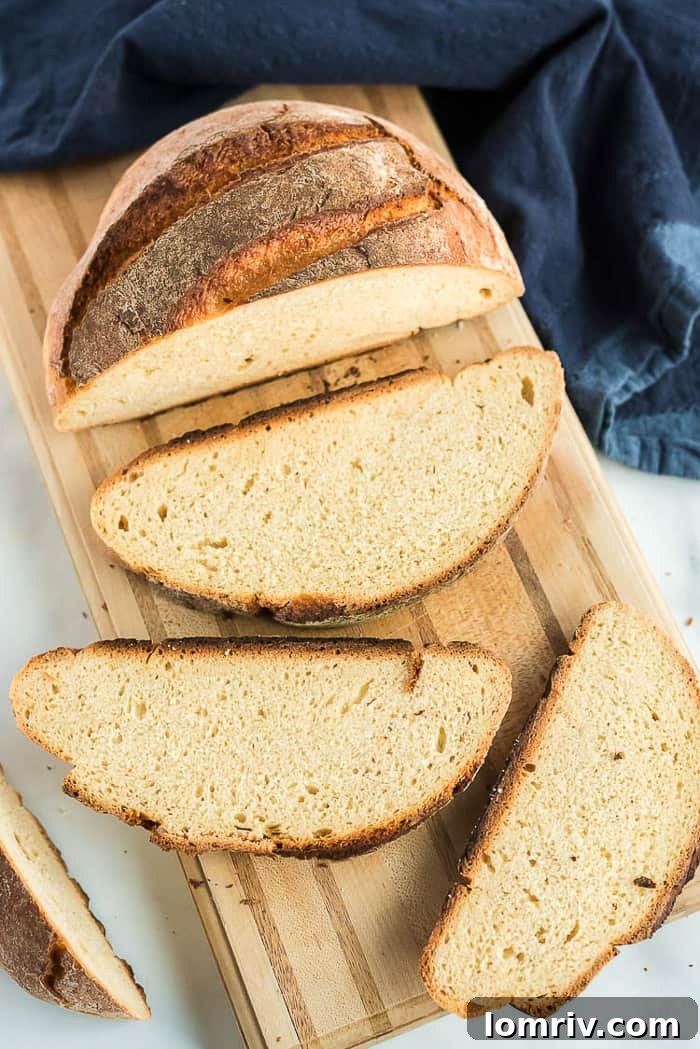
Why Honey Whole Wheat Bread? Benefits and Flavor Profile
The choice to bake with whole wheat flour in this recipe is deliberate and beneficial. Unlike refined white flour, whole wheat flour retains the entire wheat kernel – the bran, germ, and endosperm. This means it’s packed with essential nutrients, including dietary fiber, B vitamins, iron, and magnesium. Incorporating whole grains into your diet contributes to better digestive health, more stable blood sugar levels, and sustained energy throughout the day. Beyond its nutritional superiority, whole wheat flour imparts a wonderfully hearty, earthy, and slightly nutty flavor that adds a distinctive character to the bread.
The addition of honey elevates this bread from merely healthy to truly exceptional. Honey is a natural humectant, meaning it draws and retains moisture, resulting in a softer, more tender crumb and a longer shelf life for your homemade loaf. Its natural sweetness perfectly balances the robust flavor of the whole wheat, creating a harmonious and comforting taste profile. Honey also aids in the caramelization of the crust, contributing to that desirable golden-brown color and appealing crispness. This combination makes Honey Whole Wheat Bread incredibly versatile – perfect for a hearty breakfast toast, a wholesome sandwich, or simply enjoyed on its own with a smear of butter.
Key Tips for Perfect Homemade Bread Baking
Having navigated the highs and lows of bread making, I’ve compiled a list of essential tips to help you achieve a successful and delicious loaf of Honey Whole Wheat Bread:
- Yeast Temperature is Crucial: Always ensure your liquid ingredients (water, milk, oil, honey) are within the ideal temperature range of 120-130°F (49-54°C). This temperature is warm enough to awaken and activate the yeast, but not so hot as to kill it, which would prevent your dough from rising.
- Accurate Measuring: Baking is a science, and precision matters. Use proper measuring cups and spoons. For flour, a kitchen scale offers the most accurate results, as scooping directly from a bag can compact flour, leading to inconsistencies.
- Embrace the Knead: Kneading is fundamental for developing gluten, which forms the elastic network that gives bread its structure and airy texture. Whether using a stand mixer with a dough hook (4-5 minutes) or kneading by hand on a floured surface (5-7 minutes), work the dough until it is smooth, elastic, and springs back when gently pressed.
- Adjust Flour as Needed: Whole wheat flour can absorb liquids differently from white flour. Be prepared to make slight adjustments. If your dough is too sticky, add a tablespoon of bread flour at a time. If it seems too dry and stiff, add a teaspoon of milk or water.
- Optimal Proofing Environment: For the best rise, place your dough in a lightly greased bowl, covered with plastic wrap or a damp towel, in a warm, draft-free spot. Avoid cold drafts, which can hinder yeast activity. Allowing the dough to fully double in size (typically 1.5 to 2 hours) is key for a light, airy loaf.
- Gentle Dough Handling: After the first rise, “punching down” the dough should be more of a gentle pressing to release gases, not aggressive force. When shaping your loaf, handle the dough delicately to preserve the tiny air pockets developed during proofing, which contribute to the bread’s final texture.
- The Power of the Dutch Oven: Baking in a preheated Dutch oven is a game-changer. The sealed environment traps steam, creating a moist atmosphere that promotes maximum “oven spring” (the final rapid rise of the dough in the oven) and a beautifully crisp, golden crust.
- Monitor Baking Closely: Every oven is different. Pay close attention during the baking process. The bread is done when its crust is a rich golden brown and it sounds hollow when tapped on the bottom. An internal temperature of 200-210°F (93-99°C) is a reliable indicator of doneness.
- Cool Completely Before Slicing: Resist the urge to cut into your bread immediately! Allowing it to cool on a wire rack for at least 10-15 minutes (or even longer for larger loaves) allows the internal structure to set. Slicing too early can result in a gummy texture.
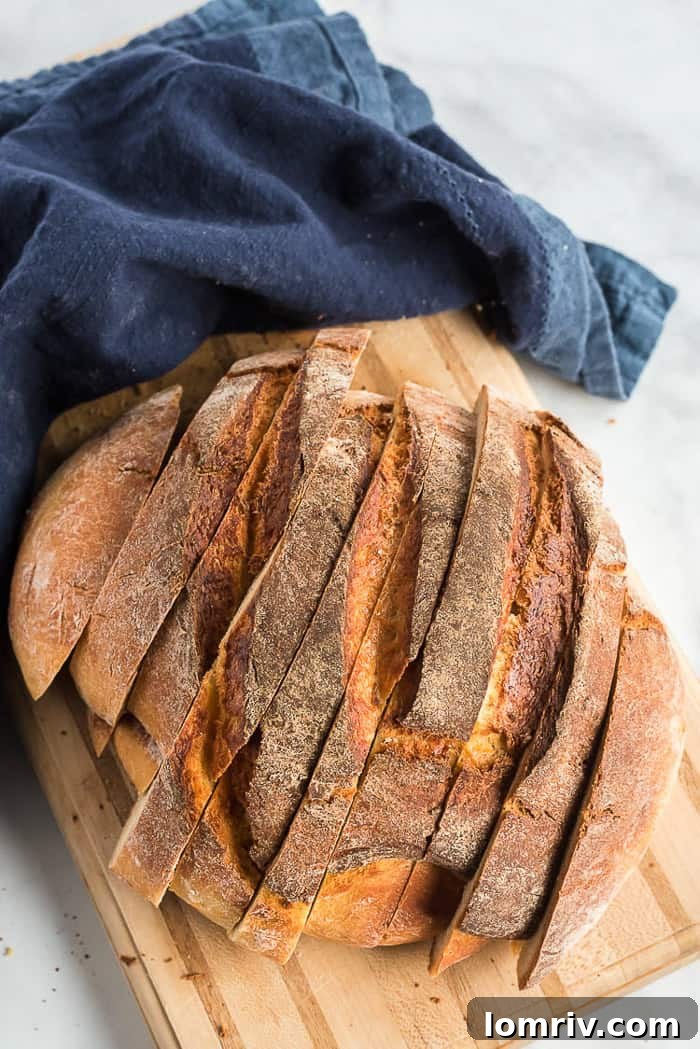
My baking journey continues, and I am already eager to apply these insights to my next loaf, striving for even greater perfection. The world of homemade bread is endlessly fascinating and rewarding, proving that every attempt, whether flawless or imperfect, brings you closer to mastering this ancient craft. Prepare yourself for a delightful carb overload, because once you experience the joy of this Honey Whole Wheat Bread, you’ll want to bake it again and again!
Honey Whole Wheat Bread Recipe
The sweet and nutty flavor of honey makes this homemade honey whole wheat bread a tasty loaf that will become a family favorite. Follow these detailed instructions for a perfect bake!
Ingredients
- 3 tablespoons water
- ½ cup milk
- 1 egg
- 2 tablespoons vegetable oil
- ¼ cup honey
- 1½ teaspoons salt
- 1 cup whole wheat flour
- 2 cups bread flour
- 1 package (2¼ teaspoons) RED STAR Active Dry Yeast
Instructions
- In the bowl of an electric mixer, whisk together yeast, 1 cup bread flour, and salt. In a small saucepan, gently heat the water, milk, oil, and honey to a comfortable warm temperature between 120-130°F (49-54°C). This specific temperature range is crucial for activating the yeast without scalding it. Add the warm liquid mixture to the dry flour mixture in the mixer bowl and mix on low speed until just combined. Increase the speed to medium and beat for 2 to 3 minutes to start developing gluten. Incorporate the egg and continue to beat for an additional 1 minute, ensuring all ingredients are well-mixed and scraping down the sides of the bowl as necessary.
- Using a sturdy rubber spatula, or the dough hook attachment if continuing with a mixer, gradually stir in the whole wheat flour and the remaining bread flour. Continue mixing until a firm, somewhat shaggy dough forms. If using an electric mixer, switch to the dough hook attachment and knead for 4-5 minutes on medium-low speed, or until the dough becomes smooth, elastic, and pulls cleanly away from the sides of the bowl. If kneading by hand, turn the dough out onto a lightly floured surface and knead vigorously for 5 to 7 minutes until it reaches a similar smooth and elastic consistency. Add small amounts of additional bread flour only if the dough is excessively sticky and difficult to handle.
- Lightly grease a large, clean bowl with a thin layer of vegetable oil. Transfer the kneaded dough into the greased bowl, turning it over once to ensure all surfaces are lightly coated with oil. This prevents the dough from drying out and sticking to the bowl during rising. Cover the bowl securely with plastic wrap or a clean, damp kitchen towel. Place the covered bowl in a warm, draft-free spot in your kitchen. Allow the dough to rise until it has clearly doubled in size, which typically takes approximately 1.5 to 2 hours, depending on the ambient temperature.
- Once the dough has doubled, gently turn it out onto a lightly floured surface. Using the heel of your hand or your knuckles, gently punch down the dough to release the accumulated gases from fermentation. Roll the dough into a consistent circular shape, then carefully form it into a nice, tight, round ball or an oblong loaf, depending on the shape you desire for your final bread. Cover the shaped dough again with plastic wrap and let it rest for 15-20 minutes while you prepare your oven. During this resting period, preheat your oven to a high temperature of 450°F (232°C). Once the oven reaches temperature, carefully place a lidded Dutch oven (empty) into the hot oven and allow it to preheat for at least 20 minutes.
- With extreme caution, remove the preheated Dutch oven from the hot oven. Carefully transfer your rested bread dough onto a piece of parchment paper, and then gently lower the parchment paper (with the dough) into the hot Dutch oven. Place the lid back on the Dutch oven and bake for 30 minutes. After 30 minutes, remove the lid to allow the crust to brown and become crispy. Continue baking uncovered for an additional 15-20 minutes, or until the bread achieves a rich golden-brown color and sounds hollow when tapped on the bottom. An instant-read thermometer inserted into the center should register 200-210°F (93-99°C). Carefully remove the bread from the Dutch oven and transfer it to a wire rack. Let it cool for at least 10-15 minutes before slicing and serving; this crucial resting period allows the internal structure to set properly.
Making this Recipe?
Share it with us on Instagram using #aclassictwist so we can see what you are baking up in your kitchen!
*Disclosure: This is not a sponsored post. Red Star Yeast is not paying me to endorse their products; I simply love using them and received free samples that I incorporated into this bread recipe. All opinions expressed in this article are, as always, 100% my own and based on my personal baking experience.*