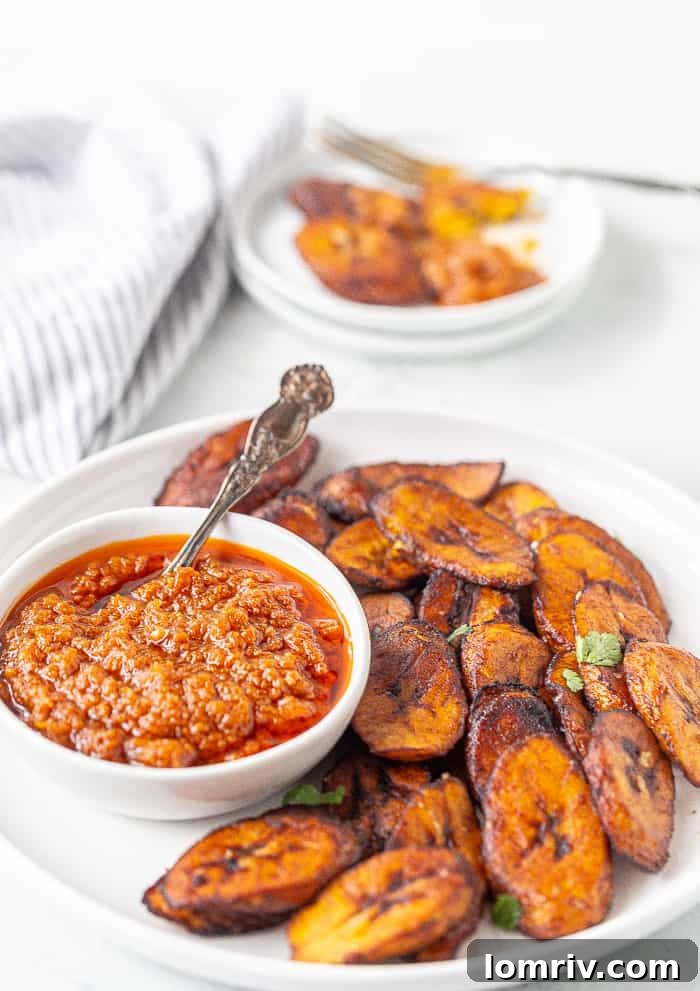
Fried Plantains with Spicy African Pepper Sauce: A Taste of Home and Heritage
Hello, culinary enthusiasts and friends! As we navigate the lingering chill of winter, many of us find solace in the warmth and comfort of hearty meals. The fatigue of global challenges can often be amplified by bleak weather, making a positive outlook a difficult endeavor. In these times, comfort food becomes not just sustenance, but a much-needed embrace for the soul. For me, that often means rich stews, soul-warming soups, and, most ardently, spicy African dishes that ignite the senses.
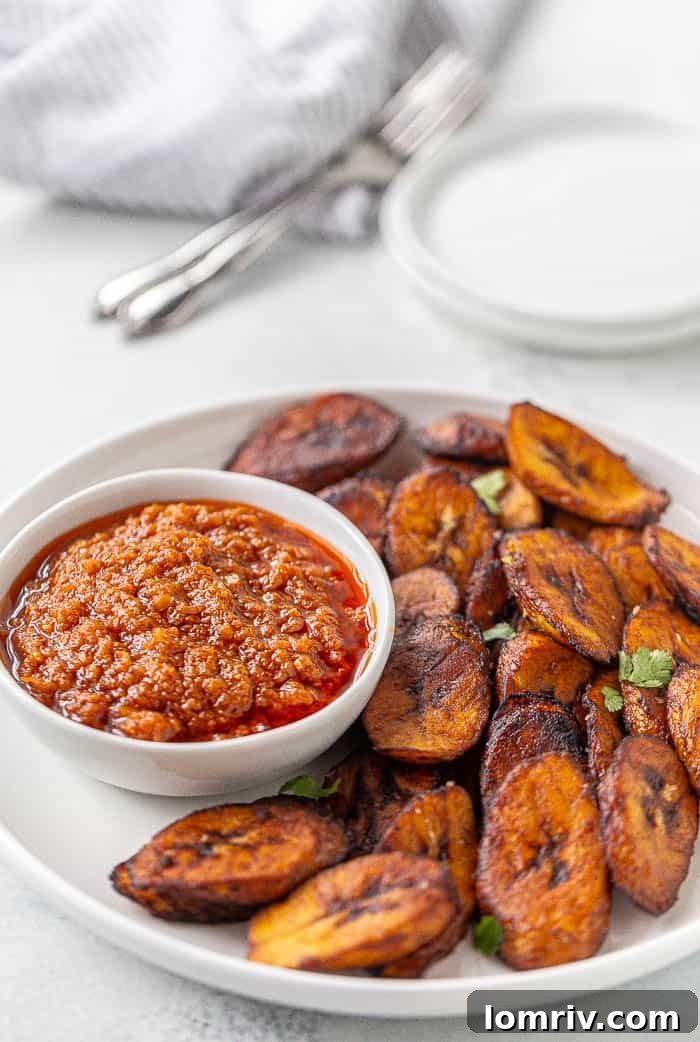
In celebration of Black History Month, a time dedicated to honoring the profound contributions and rich cultural tapestry of African and Black communities, I am thrilled to share with you one of my absolute favorite African comfort eats: a classic recipe for perfectly fried plantains served alongside a vibrant, fiery hot pepper sauce. This dish isn’t just food; it’s a journey back to my roots, a taste of home, and a testament to the enduring flavors that have nourished generations.
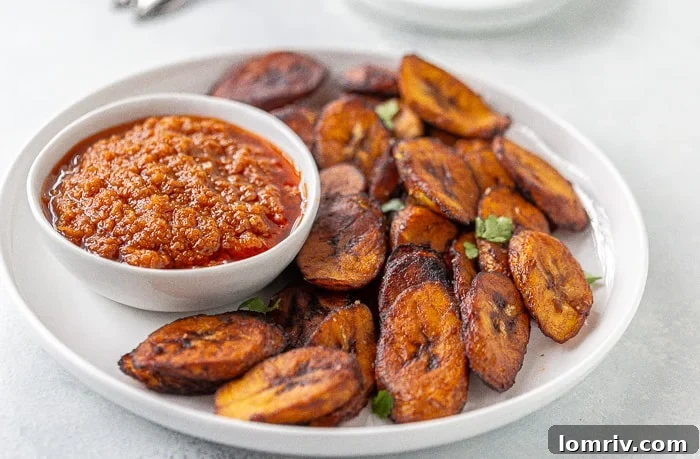
My culinary education began at a young age, around 12 or 13, a traditional rite of passage in many Sierra Leonean households. By the time I was 16, I had mastered a repertoire of staple meals, from the rich flavors of cassava leaves stew to the comforting textures of fufu and akara. Among all these cherished dishes, preparing fried plantains with hot pepper sauce held a special place in my heart. Not only was it remarkably straightforward to make, but its versatility and undeniably delicious taste made it a perpetual favorite.
Plantains are an indispensable starch in countless cultures across Africa, Latin America, and the Caribbean. If you’re new to the world of plantains, they are indeed related to bananas, but with a crucial difference: they are starchier, less sweet (especially when green), and must be cooked before consumption. You can boil them, roast them, or, as is my absolute favorite method, fry them to golden perfection. The transformation they undergo when cooked is truly magical, offering a delightful texture and subtly sweet flavor that pairs beautifully with a spicy accompaniment.
Mastering Perfectly Fried Plantains: Tips and Techniques for Golden Goodness
After sharing a sneak peek of this fried plantains recipe on Instagram, I received numerous messages from many of you expressing uncertainty about how to properly fry plantains. Fear not! It’s a skill that’s easy to acquire, and I’m here to guide you through each step. While I unfortunately didn’t capture step-by-step photos during my last preparation, these detailed tips will ensure your plantains turn out perfectly every time. I promise to update with visual guides soon!
- Choose Your Plantains Wisely: The Ripeness Factor. As plantains ripen, their starches naturally convert into sugars, leading to a sweeter, softer result. For the best fried plantains – golden, caramelized, and delightfully sweet – opt for ripe plantains that are soft to the touch but still firm, not mushy. Their skin should be mostly yellow with significant black spots, or even entirely black. While green plantains can also be fried, they yield a different, firmer texture and a less sweet, more savory flavor profile, which some prefer for savory dishes. Allow green plantains to ripen at room temperature for several days until they reach the desired stage of ripeness.
- Handle with Care. Ripe plantains, while delicious, can be delicate. After peeling, handle them as minimally as possible to prevent bruising or mashing. This is another reason why choosing plantains that are ripe but still firm is crucial.
- Slicing for Success. The thickness and shape of your plantain slices will influence their cooking time and final texture. I typically slice my plantains into 1 to 1.5-inch thick oval pieces, a method I learned from my mother. This thickness ensures a satisfying bite and even cooking. Some prefer cubes or diagonal cuts; feel free to experiment with shapes that appeal to you. Just remember, thinner slices will cook faster, and thicker ones will be softer inside.
- The Secret to Speedy Frying: Hot Oil. While deep-frying can sometimes seem daunting, using properly heated oil is key to achieving quick, efficient, and beautifully fried plantains. Don’t be afraid of the oil; the right temperature prevents the plantains from becoming greasy. A heavy-bottomed pot or saucepan is ideal as it distributes heat evenly and maintains a consistent oil temperature.
- Don’t Crowd the Pot. For best results, fry your plantains in small batches. Overcrowding the pan will lower the oil’s temperature, leading to soggy, unevenly cooked plantains. Give each slice enough space to fry properly and develop that irresistible golden crust.
- The Flip for Perfection. If your oil is adequately hot (around 350-375°F or 175-190°C), plantains cook surprisingly quickly. They typically need only 2-3 minutes per side to turn a beautiful golden brown. Gently flip each slice once one side is caramelized, and cook for another 2-3 minutes until both sides are evenly browned.
- Drain for Crispness. Once fried, immediately transfer the plantains to a plate lined with paper towels. This crucial step allows excess oil to drain off, ensuring your plantains are delightfully crisp and not oily.
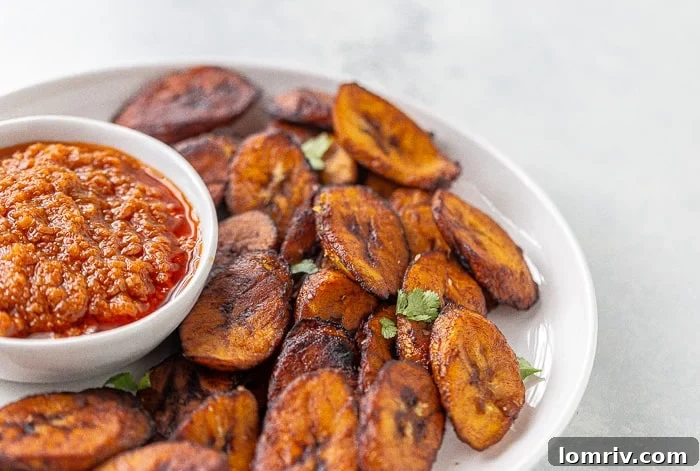
And there you have it! Frying plantains is genuinely a simple process once you understand these fundamental principles. If you’re comfortable frying other delights like homemade donuts or chicken wings, you’ll find plantains even easier. For those looking to minimize oil, you can certainly use an air fryer to achieve a deliciously crispy texture, or even bake them, offering a healthier alternative without sacrificing flavor. However, for that truly authentic, rich taste and caramelization, traditional frying is unmatched.
Now, let’s talk about the essential companion to these golden delights: my hot pepper sauce. It’s more than just a sauce; it’s a family legacy, directly inspired by my mother’s legendary recipe. Even my husband, with his discerning palate, will attest that while my version is excellent, hers holds a special, inimitable charm! This particular hot pepper sauce is a cornerstone in Sierra Leonean cuisine, a versatile condiment that perfectly complements almost any dish, making it the ideal sidekick to our fried plantains.
Crafting Authentic African Hot Pepper Sauce: A Culinary Legacy
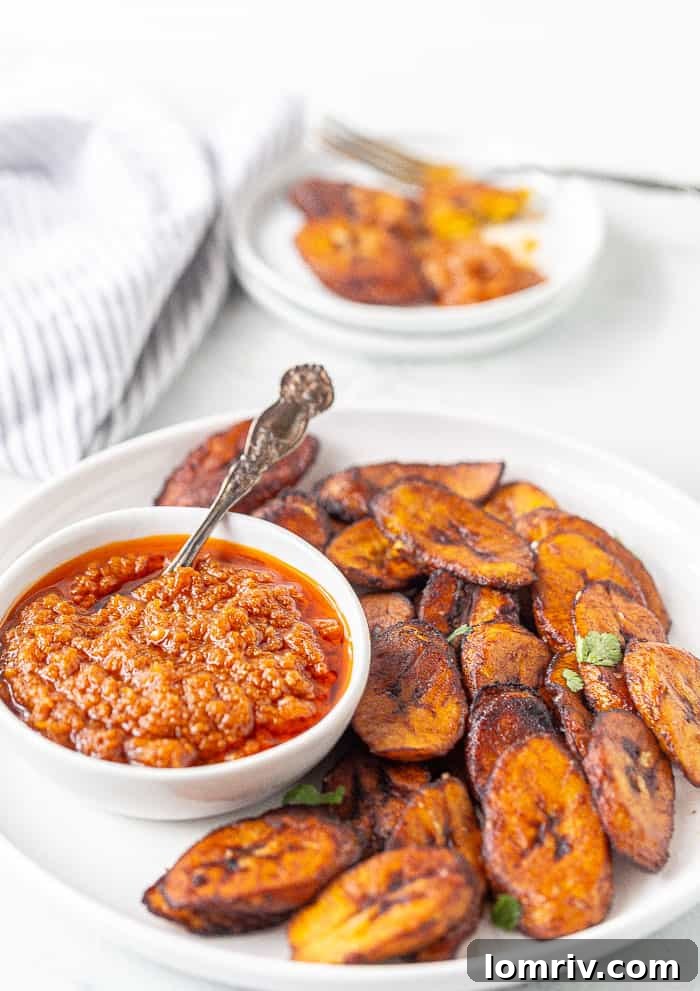
What is African Hot Pepper Sauce?
At its heart, this African hot pepper sauce is a rich, savory “stew” or “gravy” made from a robust base of onions and tomatoes, slow-cooked in vegetable oil until the flavors meld into a harmonious symphony. While the name implies heat, and indeed it is wonderfully spicy, the beauty of this sauce lies in your ability to fully control the level of capsaicin kick to suit your preference.
The foundation of this deeply flavorful hot pepper sauce calls for a generous quantity of fresh onions and ripe tomatoes. My mother, a true culinary artist, would routinely use anywhere from 6 to 8 medium onions and 3 to 4 fresh Roma tomatoes, creating a substantial and aromatic base. Essentially, this sauce can be likened to a rich, savory onion-tomato reduction or relish, where the natural sweetness of the caramelized onions and the tang of the tomatoes are brought to the forefront.
There are delightful variations in how this beloved sauce is prepared across Sierra Leone and beyond. Some prefer a rustic, chunky texture, achieved by finely hand-chopping all the vegetables before slow-frying them. Others, myself included, lean towards a smoother, more uniform consistency, which is effortlessly accomplished by processing or blending the vegetables in a food processor. The choice between chunky or smooth ultimately comes down to personal preference, but both methods yield an incredibly flavorful result.
A crucial tip for perfecting this sauce is to employ patience. Cooking it over medium-low heat is non-negotiable. This slow and steady approach is the key to unlocking the full depth of flavors, allowing the ingredients to gently simmer, reduce, and meld together beautifully. Rushing the process will result in a less complex, less integrated flavor profile. Trust the process, and your patience will be richly rewarded with a sauce that is truly exceptional.
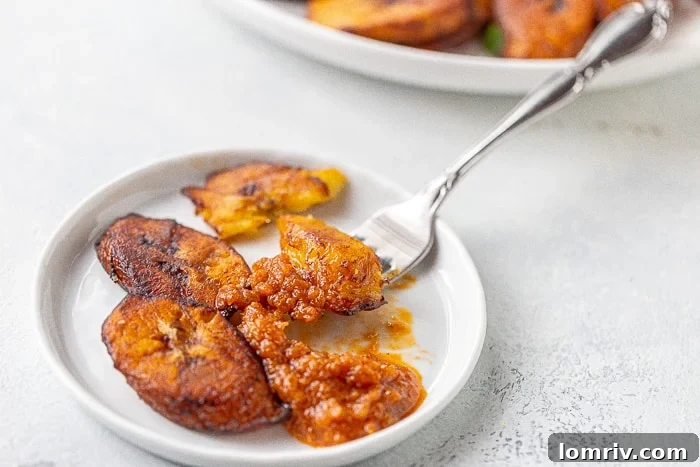
The Irresistible Pairing: Why Fried Plantains and Pepper Sauce Work Wonders
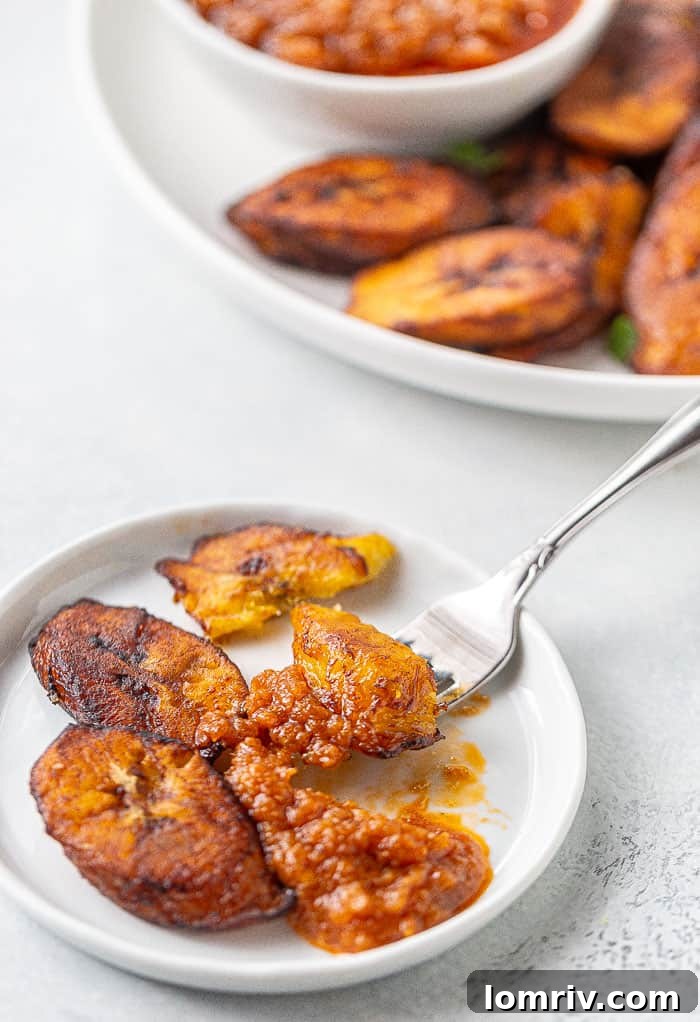
The combination of sweet fried plantains and spicy, savory hot pepper sauce is a culinary match made in heaven. The natural sweetness of the ripe, caramelized plantains offers a perfect counterpoint to the vibrant heat and complex savory notes of the pepper sauce. The soft, tender interior and slightly crisp exterior of the plantains provide an ideal texture to scoop up every last drop of the rich, aromatic sauce. This pairing is more than just a meal; it’s an experience that awakens the palate and satisfies the soul, embodying the true spirit of African comfort food.
Whether enjoyed as a hearty appetizer, a flavorful side dish, or a light meal on its own, this duo is a testament to the simple yet profound flavors of West African cuisine. It’s a dish that brings people together, evoking memories of home and celebrating a vibrant culinary heritage. Don’t be surprised if these fried plantains and their accompanying pepper sauce become a new staple in your kitchen!
Fried Plantains Recipe with Hot Pepper Sauce
20 minutes
30 minutes
50 minutes
Ingredients
For the Hot Pepper Sauce
- 3 medium onions, peeled and quartered
- 2 medium Roma tomatoes, roughly chopped
- 1 or 2 scotch bonnet peppers (or habanero peppers)
- 1/2 green or red bell peppers
- 2 garlic cloves, peeled
- 1-inch ginger, peeled and sliced
- 1/2 to 3/4 cup vegetable oil
- 2 tablespoons tomato paste
- 1 Maggi bouillon (you can also use beef or chicken bouillon)
- 1 teaspoon dried thyme
- 1/2 teaspoon ground white pepper
- salt and pepper to taste
For the Plantains
- 3 medium ripe plantains
- salt to taste
- Vegetable oil
Instructions
- In a large food processor, combine the onions, tomatoes, peppers, garlic and ginger. Process to chop everything roughly. I like having chunks however you can process until smooth.
- In a large saucepan, heat the vegetable oil over medium heat. Let get hot but not burning.
- Add in the vegetable mixture to the hot oil. Mix to combine and let cook slowly, mixing occasionally, for 10-15 minutes.
- Reduce heat to low. Add in the tomato paste, Maggi bouillon, thyme, white pepper, salt and pepper. Mix to combine. Cook until the mixture reduces, the water cooks off and the sauce thickens. If the sauce is cooking too fast, add some water, one tablespoon at a time and make sure your heat is medium-low.
- It would take another 10 minutes, cooking over low heat. You are welcome to drain the oil if you’d like.
- Transfer the pepper sauce to a heatproof serving bowl.
- While the hot pepper sauce cooks, prep the plantains.
- Peel the plantains and slice into 1-inch thick pieces. The shape you choose for the pieces is up to you.
- Salt your plantains with 1/2 to 1 teaspoon kosher salt.
- In a medium saucepan set over medium-high heat, heat about 2-3 inches of oil to 375 F. The oil needs to be hot but not smoking.
- Fry the plantains until golden brown on each side, about 2-3 minutes per side.
- Transfer plantains to a paper towel lined plate.
- Serve plantains with hot pepper sauce.
- Store leftovers refrigerated.
Recommended Products
As an Amazon Associate and member of other affiliate programs, I earn from qualifying purchases.
- Diamond Crystal Kosher Salt – Full Flavor, No Additives and Less Sodium – Pure and Natural Since 1886-3 Pound Box
- Pyrex Glass Mixing Bowl Set (3-Piece)
- AmazonBasics Enameled Cast Iron Dutch Oven, 7.5-Quart, White
Making this Recipe?
Share it with us on Instagram using #aclassictwist so we can see what you are baking up in your kitchen!