Mastering the Art of Cake Decorating: My Sweet Journey with Wilton Courses
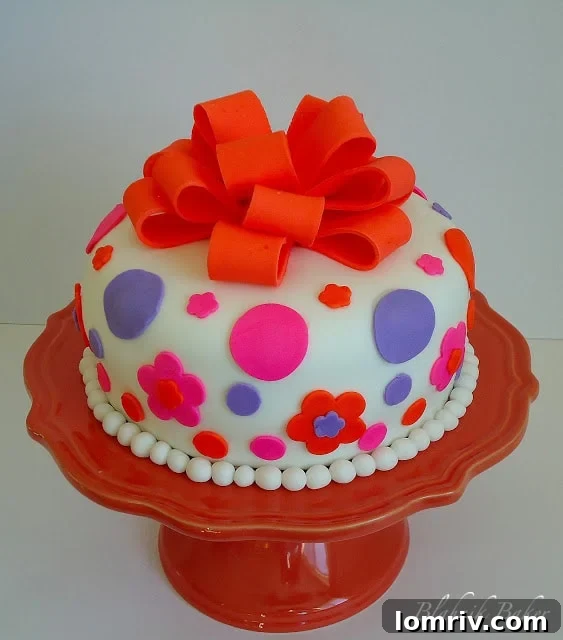
Transforming ordinary desserts into edible works of art has always fascinated me. The intricate details, vibrant colors, and sheer joy a beautifully decorated cake brings are unparalleled. My personal adventure into the world of sugarcraft took a significant leap forward after completing the Wilton cake decorating series. Join me as I share insights from Course 3, where I unlocked the potential of fondant and gum paste, and created a final project bursting with neon inspiration from my beloved niece, Madison.
Understanding Fondant: The Smooth Canvas of Cake Artistry
At the heart of many professional-looking cakes lies fondant. This versatile, thick paste, primarily made from sugar and water, offers an incredibly smooth, porcelain-like finish that traditional buttercream can’t quite achieve. While often described as “tasteless” in its purest form, modern fondant can be easily flavored with extracts and colored with gels, transforming it into a vibrant, delicious, and pliable medium for cake decorators.
Fondant comes in several types, but the most common for cake decoration are rolled fondant and poured fondant. Rolled fondant, which we focused on in the Wilton course, is kneaded, rolled out, and draped over cakes to create a flawless, satiny surface. This smooth canvas is perfect for adding intricate designs, cut-outs, and three-dimensional elements, providing a clean foundation for advanced decorating techniques. Its ability to hold sharp edges and smooth curves makes it a favorite for creating elegant and structured cake designs.
My Deep Dive into Wilton Course 3: Core Techniques and Creative Explorations
The Wilton cake decorating series is renowned for its structured approach, guiding aspiring decorators from basic buttercream swirls to advanced sugarcraft. Course 3, a rigorous 4-week program, was an intensive exploration into working with specialized sugar pastes. Beyond merely defining fondant, we gained invaluable hands-on experience in manipulating it to achieve stunning results. The curriculum meticulously covered several key areas, each building foundational skills essential for any serious cake artist:
Mastering the Art of Covering a Cake with Fondant
One of the most intimidating yet rewarding skills for any cake decorator is flawlessly covering a cake with rolled fondant. This technique instantly elevates a homemade cake to a professional standard. In the course, we learned the precise steps: preparing the cake with a thin layer of buttercream, kneading the fondant to the right consistency, rolling it evenly, and carefully draping it over the cake without tears or creases. Achieving that seamless, smooth finish requires practice, patience, and attention to detail, especially around the edges. While I appreciate the polished look fondant provides, I confess to still being on the fence about completely covering cakes with it, largely due to the sheer effort involved in achieving perfection and my personal preference for other textures. However, the satisfaction of seeing a perfectly smooth, unblemished cake surface is undeniable.
Crafting Elegant Embellishments: Fondant Bows and Fun Cut-Outs
Beyond simply covering cakes, fondant truly shines in its versatility for creating intricate decorations. We delved into crafting delicate fondant bows, which add an exquisite, celebratory touch to any cake. This involved rolling out thin strips of fondant, shaping loops, and assembling them to mimic the fluid grace of fabric bows. Precision and careful handling are crucial to prevent tearing and achieve a realistic drape. Additionally, the course explored the boundless possibilities of using various cutters to create “fun cut-outs.” From geometric shapes to whimsical patterns and intricate designs, fondant cutters allow decorators to quickly produce consistent and detailed embellishments. These techniques empower you to personalize cakes with themed decorations, adding character and charm to any celebration.
The Magic of Gum Paste: Sculpting Edible Floral Masterpieces
While fondant is excellent for covering and basic decorations, for truly lifelike and delicate edible flowers, gum paste is the sugar artist’s material of choice. Gum paste is similar to fondant but has added edible gums (like gum tragacanth or CMC powder), which give it increased elasticity and allow it to dry much harder and thinner. This property makes it ideal for sculpting intricate petals and leaves that hold their shape beautifully, creating realistic floral arrangements that can last indefinitely if stored correctly.
It was my first exposure to gum paste, and I must say, I absolutely fell in love with working with it. The ability to roll it paper-thin and sculpt it into delicate forms was incredibly satisfying. We meticulously learned to craft a variety of blossoms, each with its unique challenges and rewarding techniques. The precision required, along with specialized tools like veining mats, ball tools, and floral wires, transformed simple sugar paste into breathtaking botanical replicas.
My Favorite Edible Blooms: From Daisies to Delightful Carnations
During the course, our hands-on lessons included creating a beautiful array of gum paste flowers: vibrant daisies, classic roses, elegant calla lilies, charming mums, and ruffled carnations. Each flower presented a unique learning opportunity:
- Daisies: Perfect for beginners, teaching basic petal shaping and assembly.
- Roses: A fundamental skill, involving layering individual petals to form a realistic bloom.
- Calla Lilies: Focused on creating broad, graceful petals and shaping them into a distinctive trumpet form.
- Mums: Taught us how to create numerous fine, delicate petals to build up a dense, rounded flower.
- Carnations: Without a doubt, the carnations were my favorite to make. The technique involves creating ruffled, textured petals that, when assembled, mimic the natural complexity and beauty of a real carnation. There’s a particular joy in seeing each individual petal contribute to the overall vibrancy and fullness of the flower.
While my initial attempts at these gum paste flowers were commendable for a first-timer, I’m excited to practice more and refine my techniques. The intricate details and delicate forms truly elevate cake designs, and I look forward to sharing more of my gum paste creations after further development. The beauty of gum paste lies not just in its appearance but in the lasting joy it brings to any celebratory cake.
The Unwavering Value of Professional Guidance: Why Wilton Courses Shine
The success of the Wilton cake decorating series, and my positive experience, can largely be attributed to the quality of instruction. The courses are taught by Wilton-trained professional cake decorators, whose expertise and passion for sugarcraft are immediately apparent. Our instructors were not only highly skilled but also incredibly helpful and patient, providing personalized feedback and demonstrations that made complex techniques accessible to everyone, regardless of their prior experience. This structured, hands-on learning environment, guided by seasoned professionals, is invaluable for any beginner.
I wholeheartedly recommend the Wilton cake decorating series for anyone looking to learn the fundamental skills of cake decorating. Whether you aspire to bake for family and friends or dream of starting a custom cake business, these courses provide a solid foundation. You gain confidence, learn essential tools and techniques, and become part of a supportive community of fellow enthusiasts. It’s an investment in a rewarding hobby and a transferable skill that brings immense satisfaction.
Applying Your Skills: From Classroom to Custom Creations
The beauty of learning foundational cake decorating techniques is their versatility. Since completing the Wilton course, I’ve had numerous opportunities to apply the skills I acquired to a variety of custom cake projects. Each cake presents a new canvas and a chance to further hone my techniques in working with fondant and other decorative elements. For instance, the smooth, playful surface of this cow cake is decorated with fondant, showcasing how simple shapes can create a distinctive theme. Similarly, the meticulous details on this girl’s makeup cake also rely heavily on fondant techniques for its delicate cosmetic elements. These projects are a testament to how the skills learned in a structured course can be adapted and expanded upon to bring any creative vision to life.
I encourage anyone with a budding interest in cake decorating to take the plunge. The joy of creating something beautiful and delicious with your own hands is truly immeasurable.