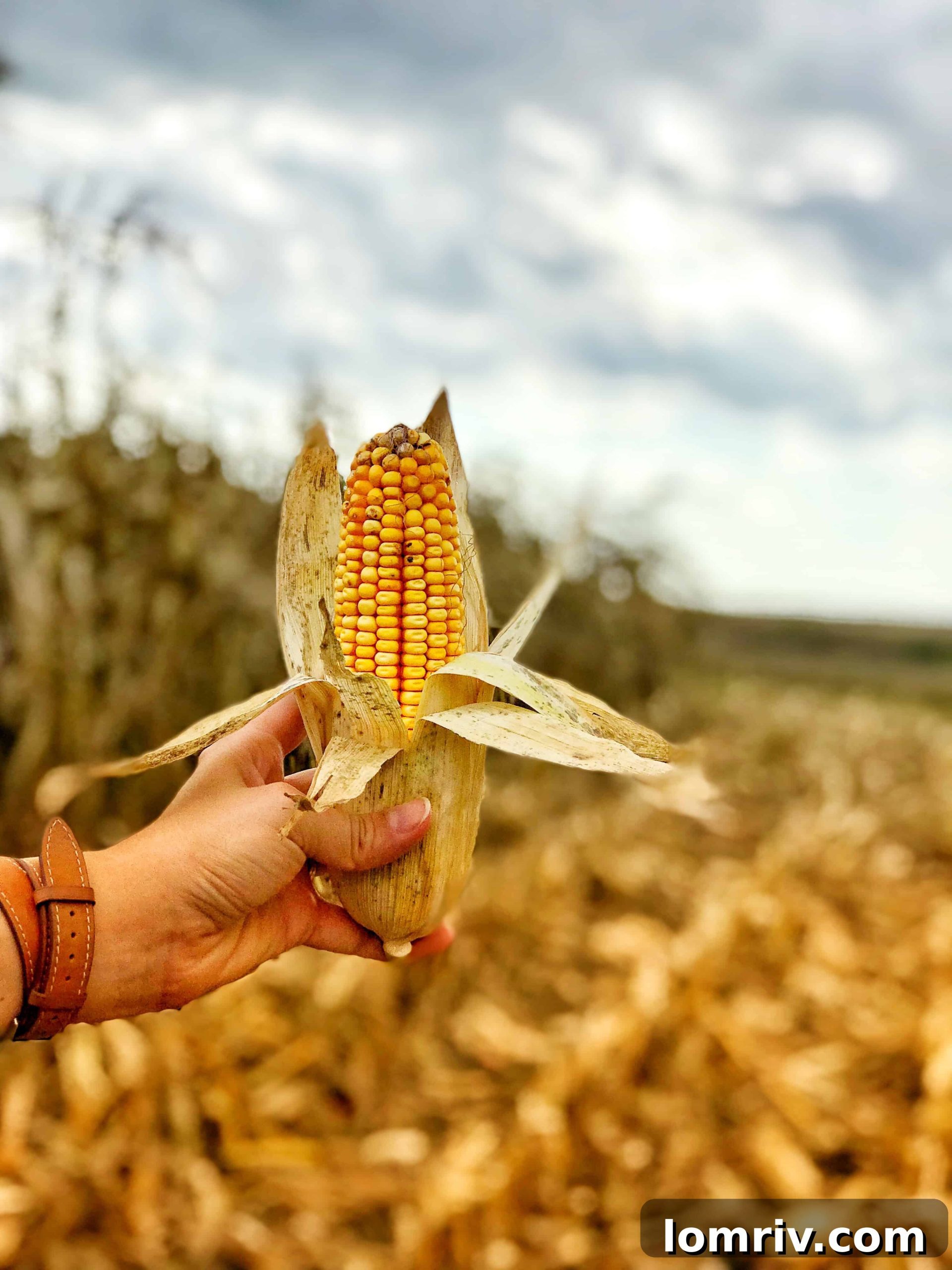
This post is sponsored by Iowa Corn.
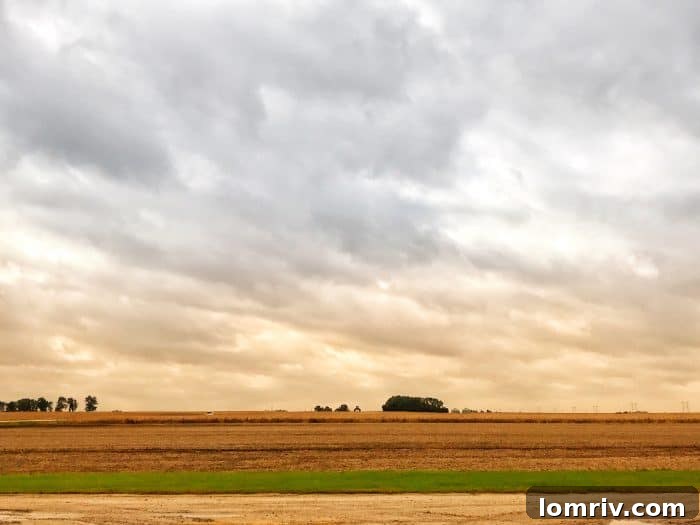
Discovering the Heart of America: My Journey into Iowa Corn Country
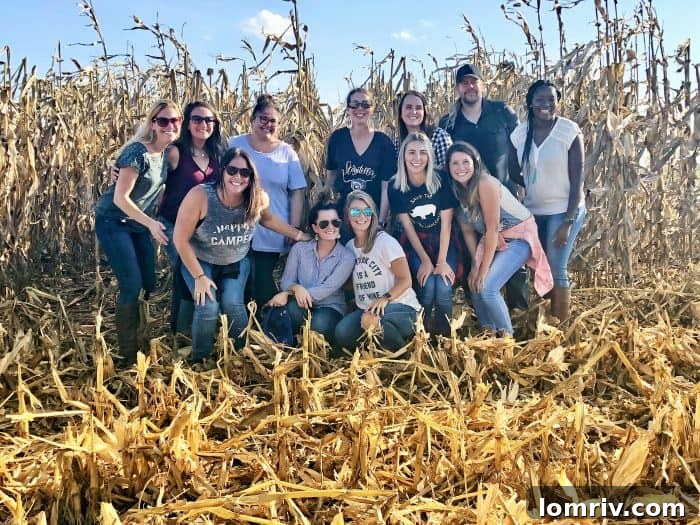
Hello friends! Today marks a special departure from my usual content as I’m thrilled to share an extraordinary experience that recently enriched my perspective. I was incredibly fortunate to embark on a captivating trip to Iowa, a state I had never visited before, alongside a wonderful group of fellow blogging friends. This unforgettable journey was made possible by the gracious hospitality of Iowa Corn, an organization dedicated to supporting and promoting the state’s vital corn industry.
Before this trip, my knowledge of Iowa was admittedly limited. My mental image was largely dominated by endless stretches of cornfields, a landscape often described as a “boring drive” for cross-country travelers. What I profoundly failed to grasp was the immense significance of Iowa’s agricultural output: the state cultivates a staggering 18% of all corn grown in the United States. Even more striking was the revelation of the deep passion and unwavering dedication of Iowa’s farmers, who play an absolutely critical role in sustaining our nation’s food industry and economy.
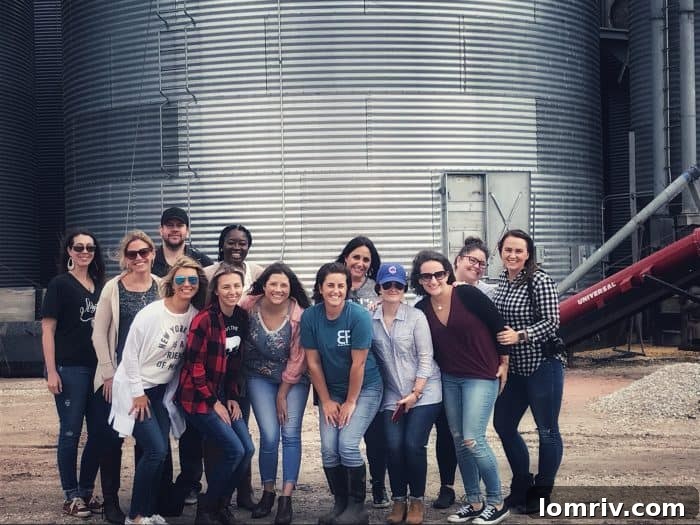
Century Farms: A Legacy Rooted in American Soil
One of the most fascinating discoveries of my trip was learning about “century farms.” Did you know that a significant number of corn farms across Iowa proudly bear this designation? A century farm is not just any farm; it represents a remarkable legacy, having been continuously owned and operated by the same family for at least 100 years. Imagine that – four generations, and often more, of families pouring their lives, energy, and love into cultivating corn, growing soybeans, raising livestock, and contributing tirelessly to the agricultural backbone of their community. As a farmer’s daughter myself, whose family’s farm is no longer active, this concept struck a deep chord. It’s an incredible testament to resilience, tradition, and an enduring commitment to the land.
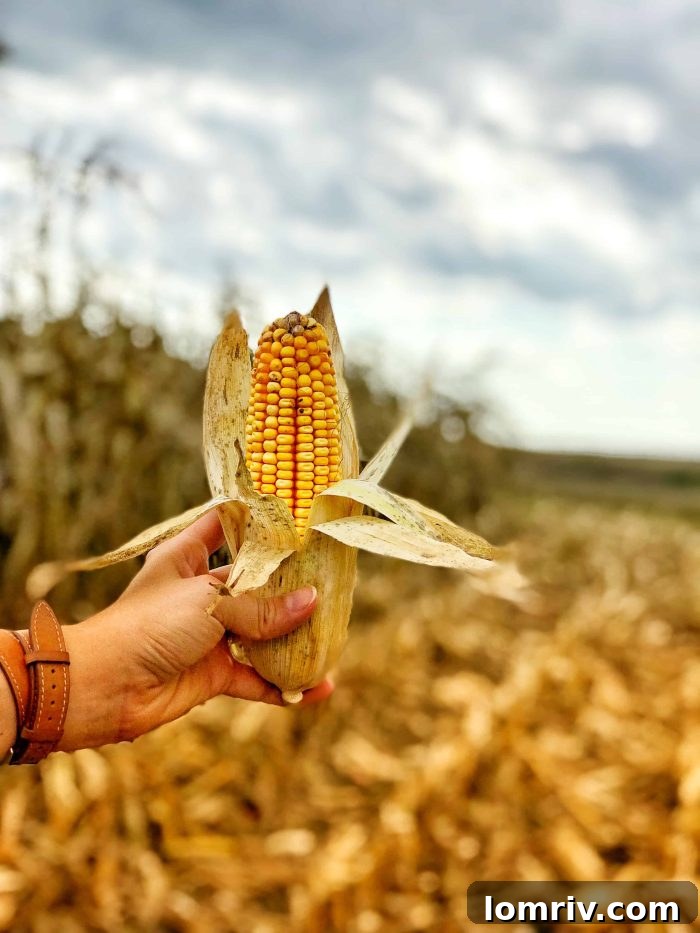
A Farmer’s Daughter: Bridging Continents and Generations
My own journey into the world of farming began thousands of miles away in Sierra Leone, West Africa, where I grew up on a farm. My father was an ‘educated’ farmer, a geneticist by profession, whose work centered on the crossbreeding of rice grains. In essence, he was at the forefront of developing genetically modified rice strains designed to thrive sustainably in the challenging African climate. At the time, as a young girl, I simply saw him bringing new rice varieties from places like Vietnam or the Philippines and diligently cultivating them in our expansive backyard farm in Africa. It was incredible to witness. Once these new strains proved successful, he would share them with the Ministry of Agriculture, who would then distribute the seeds to local farmers and families, empowering them to grow their own food and enhance food security.
Our backyard farm was a vibrant tapestry of biodiversity. Beyond rice, we cultivated corn, potatoes, cassava, cocoyam, mangoes, guava, plantains, and so much more. In contemporary agricultural terms, it was a truly diversified farm, a self-sustaining ecosystem providing for our family and community. This early exposure to the land and the science of agriculture laid a foundational understanding within me, even if I didn’t fully comprehend its depth until much later.
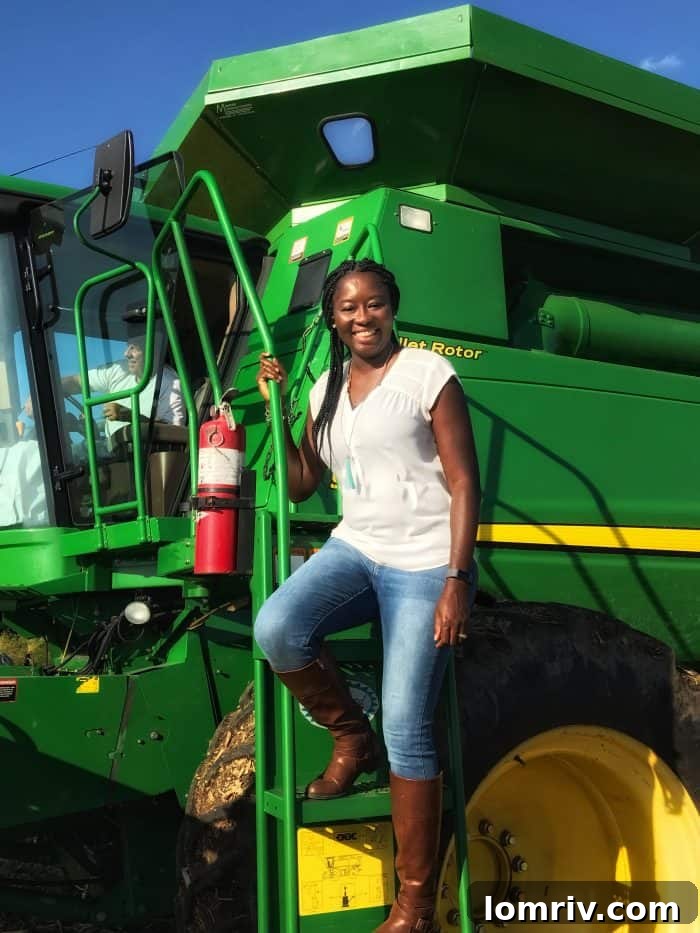
Despite the hard work and ingenuity, the technology and business prospects of farming in our region were often a far cry from what was needed to comfortably support a family of seven. My dad, ever the visionary, worked tirelessly to ensure that my siblings and I received excellent educations. His hope was that we would pursue professions that would allow us to provide more for our own future families, offering greater stability and opportunity. For us, generational farming wasn’t an inherent aspiration but rather a situational reality, shaped by the economic and social landscapes of the time.
The Modern Iowa Farmer: A Story of Passion and Progress
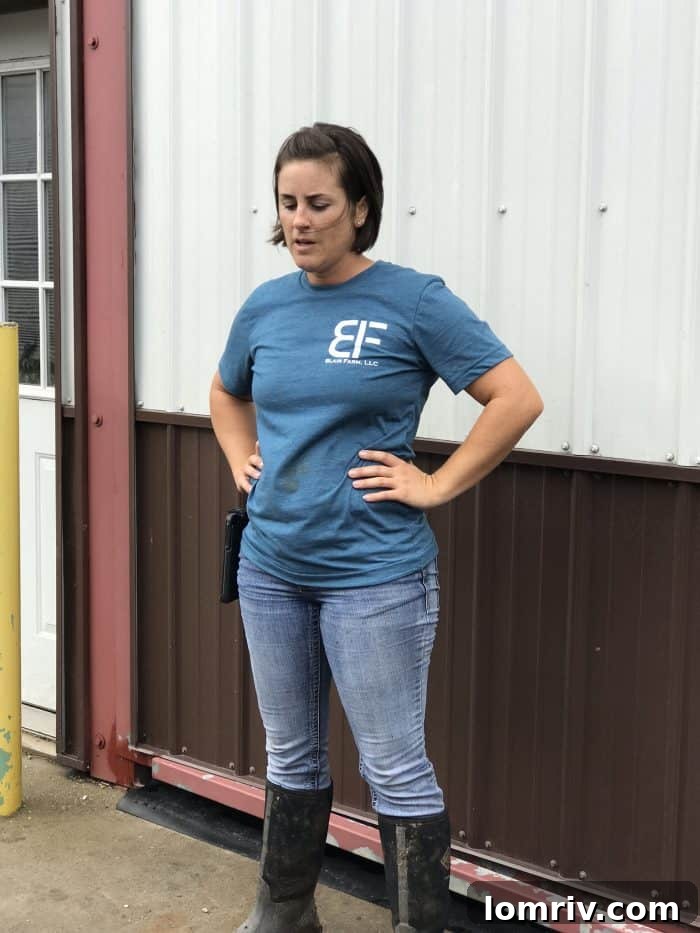
My observations in Iowa presented a stark contrast to my childhood experiences. The first farm we had the privilege to visit, Blair Farms in Dayton, Iowa, was a proud century farm. Stepping onto their land, I met Kellie Blair (pictured above), a young and incredibly dynamic farmer’s wife. She graciously opened both her farm and her home to us, challenging every preconceived notion I might have held about what a “farmer” looks like in the 21st century. Kellie is a dedicated mom, a loving wife, and, like me, a farmer’s daughter. However, her path diverges significantly as she is passionately carrying forward her family’s agricultural legacy, actively involved in the day-to-day operations of their diversified farm.
Blair Farms is a vibrant hub of agricultural activity, where Kellie and her family diligently cultivate corn and soybeans, alongside raising cattle and pigs. What truly sets them apart is their unwavering commitment to conservation and continuous improvement in farming practices. Kellie’s passion for her work and her profound understanding of the crucial role farming plays in the broader food industry were evident in every conversation. She embodies the spirit of the modern Iowa farmer: deeply rooted in tradition, yet innovative and forward-thinking, always striving for more sustainable and efficient methods to feed the world.
Beyond the Cob: Understanding Corn’s Diverse Uses
Now, let’s talk about corn itself – specifically, the incredible versatility of this staple crop. Here’s a fact that truly astonished me: only about 4% of all corn grown in the United States is destined for direct human consumption as sweet corn. This revelation sparked a deep intrigue, leading me to understand that the vast majority of the corn you see stretching across the Iowa landscape, often referred to as “field corn,” undergoes a remarkable transformation into a myriad of useful and essential by-products.
These by-products are indispensable to our daily lives. A significant portion of field corn is converted into ethanol, a renewable fuel that powers our vehicles and reduces our reliance on fossil fuels. Another large segment becomes livestock feed, providing vital nutrition for the cattle, pigs, and poultry that contribute to our food supply. But the applications don’t stop there. Field corn is processed into thousands of everyday household products, often without us even realizing it. From the starches used in packaging, biodegradable plastics, and textiles, to sweeteners like high-fructose corn syrup in beverages and processed foods, and even components in pharmaceuticals and cosmetics – corn’s reach is truly expansive, impacting nearly every aspect of modern life.
Sweet corn, the type we typically enjoy on the cob or canned, is a nutritional powerhouse in its own right. It boasts excellent nutritional values, providing valuable starch for energy, rich dietary fiber crucial for digestive health, and beneficial proteins. Incorporating sweet corn into a well-balanced diet offers a delicious and healthy way to boost nutrient intake.

Sustainable Practices: Iowa Farmers Leading the Way in Conservation
I am well aware of the ongoing debates surrounding modern farming practices, livestock rearing, and their potential impacts on the environment. While the internet can often become a platform for polarized opinions rather than grounded facts, as a scientist, I find it imperative to focus on the tangible efforts being made. During my visit, it was incredibly inspiring to witness firsthand the profound dedication to conservation and environmentally sound practices that Iowa farmers integrate into every facet of their operations.
These aren’t abstract concepts; they are concrete actions. Farmers are implementing innovative strategies such as no-till and reduced-till farming, which minimize soil erosion, improve soil health, and reduce carbon emissions. They utilize cover crops during off-seasons to protect the soil, enhance nutrient cycling, and suppress weeds naturally. Precision agriculture technologies, including GPS-guided machinery and drone-based monitoring, allow farmers to apply fertilizers and pesticides with unprecedented accuracy, minimizing waste and environmental runoff. Furthermore, robust nutrient management plans ensure that essential nutrients are used efficiently, preventing excess from entering waterways.
Beyond these specific practices, there’s a palpable sense of stewardship among these farmers. They understand that their livelihood is intrinsically linked to the health of the land and water, and they are committed to preserving these resources for future generations. My key takeaway is clear: we must actively support our local farms and, above all, be profoundly thankful that we have farmers in the US who genuinely love what they do and take immense pride in growing the food that sustains us all. Their continuous efforts towards sustainability are not just good for the environment; they are essential for our collective future.
Continuing the Conversation: Learn More with Iowa Corn
My deepest gratitude goes to Iowa Corn for providing such an insightful and truly incredible learning experience. This trip not only broadened my understanding of modern agriculture but also reconnected me with my own farming heritage in a profound way. The dedication, innovation, and passion of Iowa’s farming community left an indelible impression.
If you’re as intrigued as I was and wish to delve deeper into the fascinating world of the farming industry in Iowa, I highly encourage you to explore the resources offered by Iowa Corn. Their official website is an excellent starting point for comprehensive information. You can also connect with them and follow their ongoing work through their engaging social media channels: find them on Facebook and Instagram for more updates, stories, and insights into the vital role Iowa agriculture plays in our world.