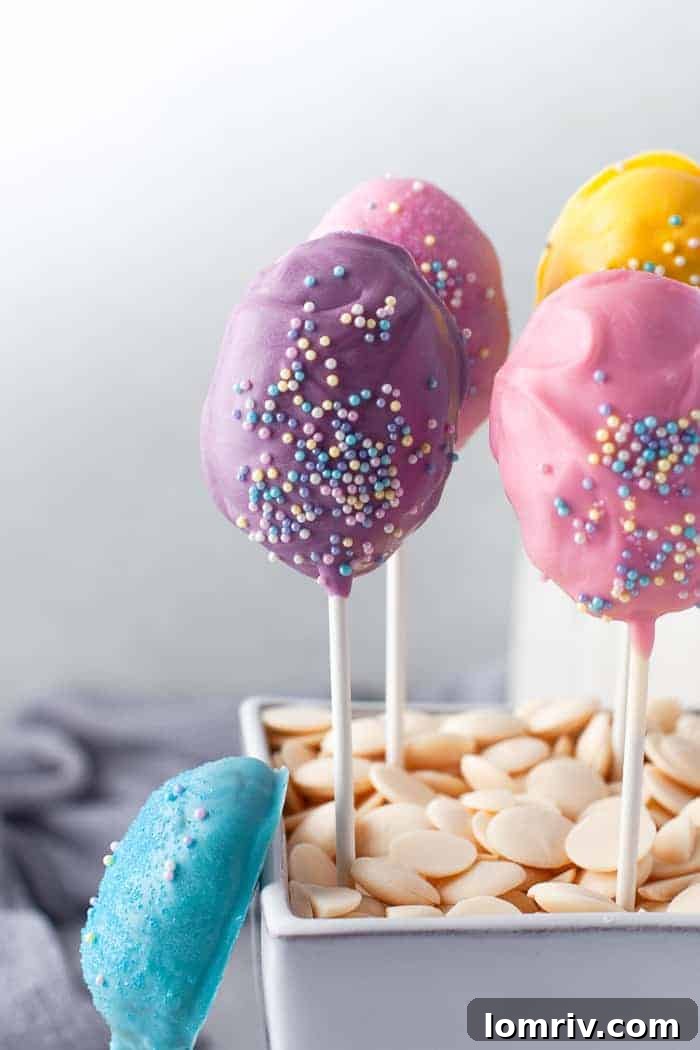
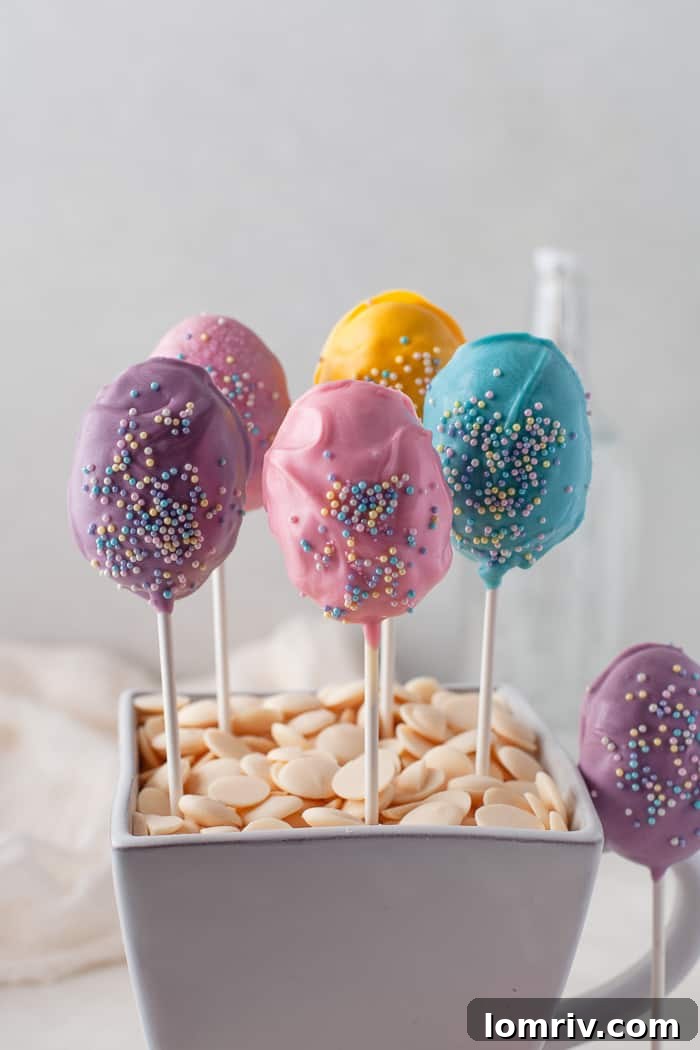
Easy Easter Cake Pops: Your Ultimate Guide to Festive Spring Treats
Hello, fellow baking enthusiasts! As the signs of spring emerge and the anticipation of Easter fills the air, it’s the perfect time to bring some vibrant color and deliciousness into our kitchens. This year, I’m thrilled to share a recipe that combines simplicity with show-stopping appeal: incredibly easy Easter Cake Pops. Get ready to impress your family and friends with these delightful, bite-sized chocolate treats that are as fun to make as they are to eat!
Over the years, my recipe archive has grown impressively, filled with a vast collection of Easter recipes, from traditional bakes to modern delights. Yet, with each passing year, the challenge remains: how to conjure up new, exciting, and memorable treats, not just for you, my cherished readers, but also for my own rapidly growing children. Their budding interest in baking always pushes me to explore fresh ideas and tackle new culinary adventures. This year, the answer became clear: cake pops!
Why Cake Pops? Conquering a Perceived Challenge
For the longest time, cake pops seemed like a culinary Everest – intimidating, overly complicated, and demanding a level of patience I wasn’t sure I possessed. I often admired them from afar, assuming they were strictly for professional bakers or those with endless free time. The idea of meticulously shaping tiny cake balls and perfectly coating them felt overwhelming. However, watching my kids become more and more captivated by the magic of the kitchen, their little hands eager to participate, spurred me on. I decided this Easter was the year to tackle the cake pop enigma, and to my surprise, it was far from the daunting task I had imagined!
Making cake pops can be a wonderfully creative and engaging activity for the whole family. It’s a chance to experiment with colors, flavors, and decorations, turning simple ingredients into edible works of art. The joy of creating these festive treats together, from crumbling the cake to dipping and decorating, makes the process just as rewarding as the final delicious bite. These Easter Cake Pops are not only a delicious dessert but also a fantastic way to make lasting holiday memories with your loved ones.
The Secret to Simplicity: Egg Molds for Perfect Shapes
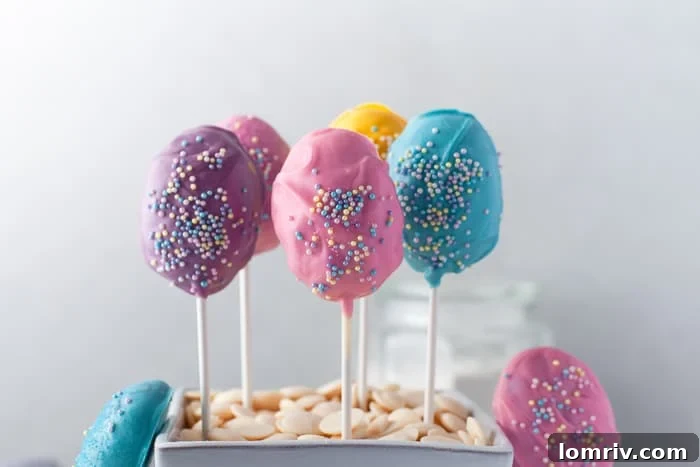
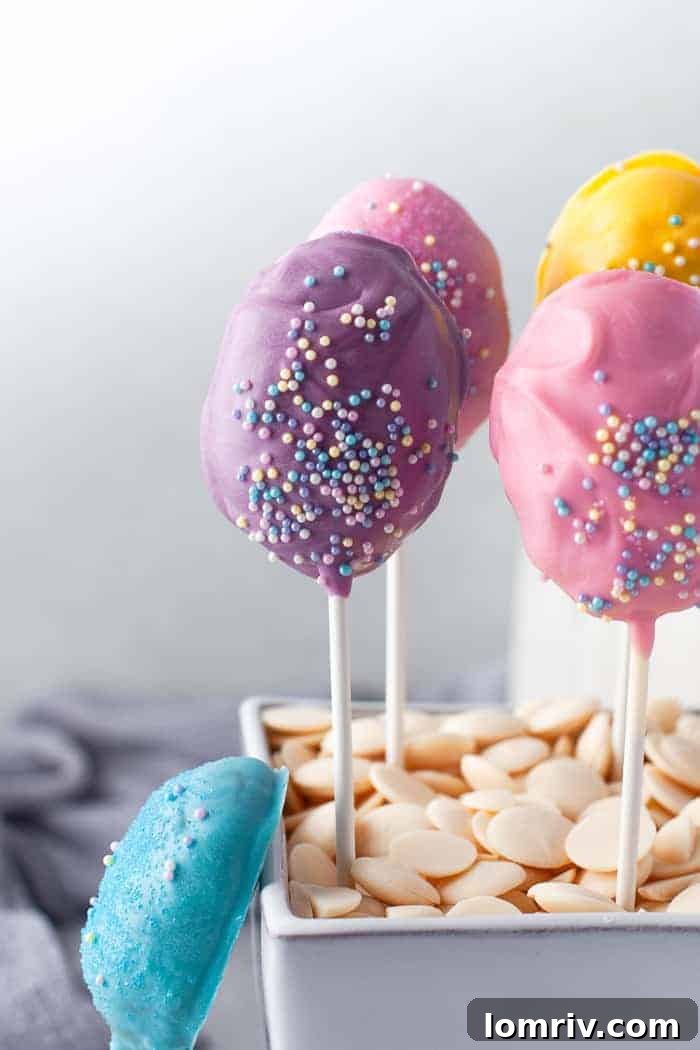
My inaugural attempt at cake pops had to be straightforward, and I found the ultimate shortcut to success: egg-shaped silicone molds. These ingenious tools truly simplify the process, transforming what could be a fiddly shaping task into an effortless step. Instead of hand-rolling each delicate cake ball, you simply press the cake mixture into these molds, and voilà! Each cake pop emerges perfectly formed, resembling a charming Easter egg, ready for its colorful coating. This takes all the guesswork out of achieving uniform and appealing shapes, making these Easter cake pops incredibly easy and fun to create, even for beginners. You can find these molds readily available online or at most craft and baking supply stores, and they are a game-changer for holiday-themed treats.
Crafting the Core: A Rich Chocolate Cake Foundation
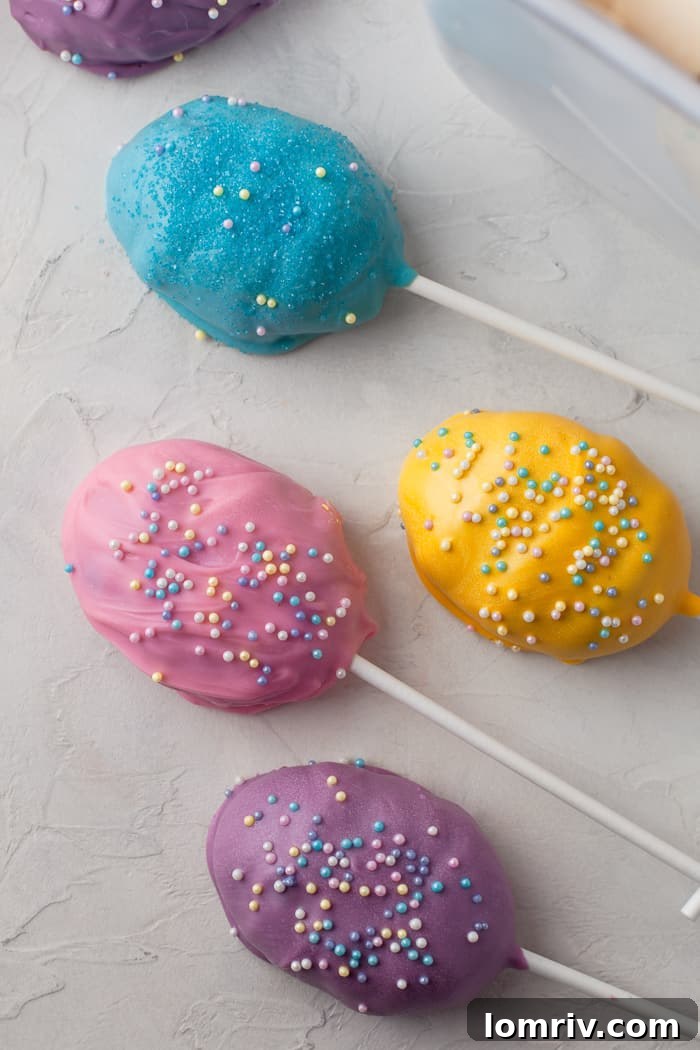
At the heart of these delectable treats is a rich, moist chocolate cake. For this recipe, I relied on my tried-and-true, one-bowl chocolate cake – a beloved staple that consistently delivers moist crumbs and intense chocolate flavor, never failing to delight me or any chocolate lover lucky enough to taste it. This chocolate base provides an exceptional canvas for our cake pops, offering a deep, satisfying flavor that perfectly complements the sweet candy coating.
Of course, the beauty of this recipe lies in its versatility. While chocolate is a fantastic choice, you’re absolutely welcome to use your favorite cake recipe. Imagine a classic vanilla cake offering a lighter flavor profile, or a vibrant red velvet cake with its subtle tang and striking color. For an even more thematic twist perfectly suited for the spring holiday, consider baking a carrot cake – its warm spice notes and incredibly moist texture would be absolutely divine in cake pop form! The most crucial factor, regardless of your cake choice, is ensuring your cake is fully cooled before moving to the next steps, as this is paramount for achieving the perfect cake pop consistency and preventing a sticky, unmanageable mixture.
From Crumbles to Creations: The Cake Pop Magic
Once your chosen cake has cooled completely, the real transformation begins. You’ll gently crumble the cake into fine, even pieces – a satisfying step that can even involve little helpers! This crumbled cake is then mixed with softened cream cheese. The cream cheese acts as a magical binder, moistening the cake crumbs and allowing them to be easily formed into dense, pliable shapes. This mixture is essentially the “dough” for your cake pops, providing that signature moist and fudgy texture that makes them so incredibly irresistible. The cream cheese also adds a subtle tang that beautifully balances the sweetness of the cake and the candy coating, elevating the overall flavor profile.
Shaping, Chilling, and Dipping Perfection
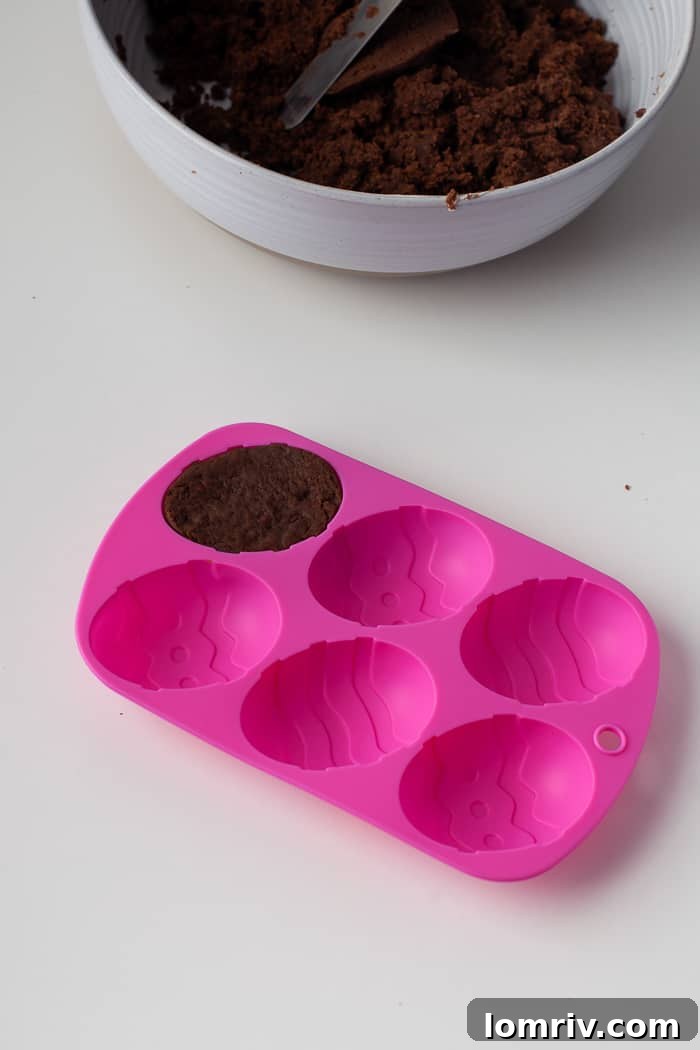
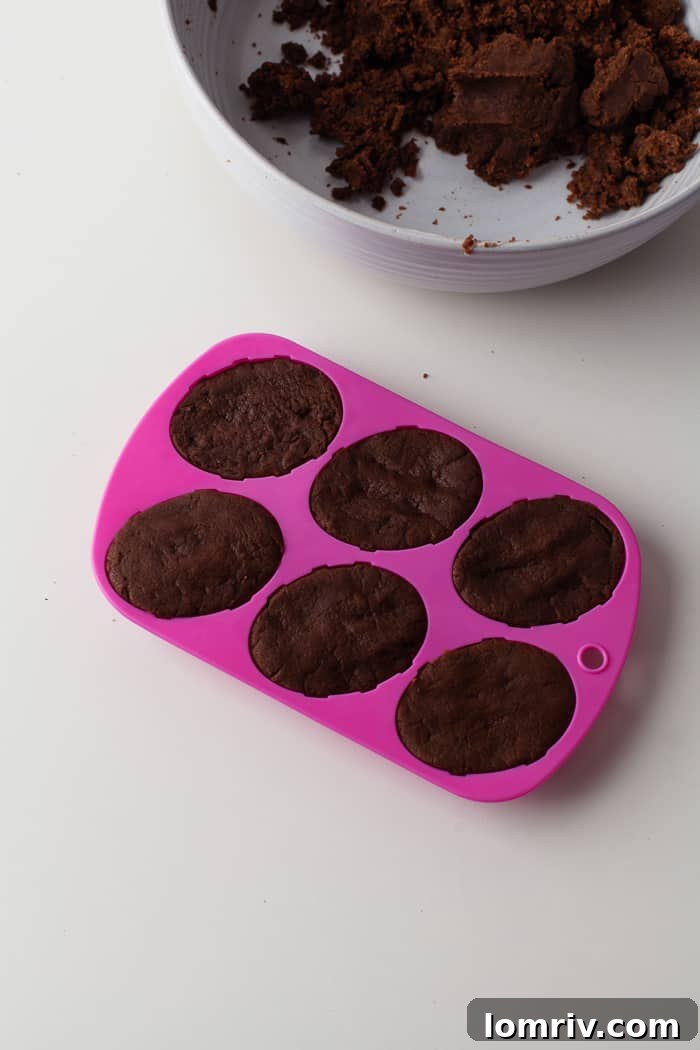
Next, you’ll firmly press this rich cake mixture into your egg molds, ensuring there are no air pockets for a smooth finish. Once filled, a brief stint in the freezer (typically 5-10 minutes) helps them firm up quickly. This crucial chilling step makes them sturdy and easy to handle, preventing them from crumbling or losing shape when dipped into the warm candy coating. While your cake pops are chilling, you can prepare your candy melts in various festive Easter colors, creating a vibrant palette for decoration.
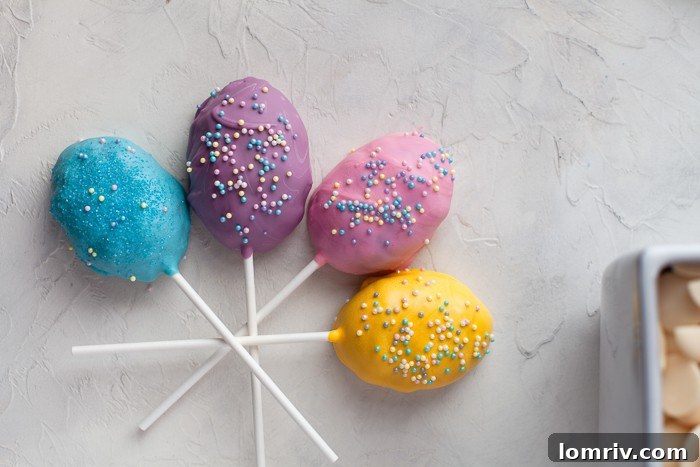
The final step involves dipping each chilled cake pop into the smooth, melted candy coating. This creates a beautiful, colorful shell that not only adds visual appeal but also seals in the moisture and flavor, giving each bite a delightful snap. From there, your creativity takes over! You can opt for a minimalist look, pipe intricate designs with contrasting candy melts, or simply shower them with an assortment of fun, festive sprinkles. The possibilities are endless, and each cake pop becomes a tiny work of edible art, reflecting the joy and vibrancy of Easter.
A Visual Journey: Making Cake Pops Step-by-Step
I understand that sometimes a visual guide makes all the difference, especially when trying something new. That’s why I’ve included step-by-step pictures to accompany this recipe, illustrating just how straightforward and enjoyable these cake pops are to create. I genuinely hope seeing the process unfold inspires you to embark on this delightful baking adventure, whether it’s a fun bonding activity with your kids or a solo creative escape for a truly special treat. Let’s walk through each stage to ensure your Easter Cake Pops are nothing short of spectacular.
Phase 1: Baking Your Perfect Cake Foundation
The journey to perfect cake pops begins with a perfectly baked cake. As mentioned, my go-to is a rich chocolate cake, known for its deep flavor and tender crumb. However, this recipe is incredibly versatile! Feel free to customize your cake base to your liking. A classic vanilla cake would be equally delicious, offering a lighter flavor profile that pairs wonderfully with colorful coatings. For an even more thematic twist, consider baking a carrot cake – its spice notes and moist texture would be absolutely divine in cake pop form, especially for Easter! Ensure all your ingredients are at room temperature for the best results, as this helps them combine smoothly and creates a more uniform batter.
Preparing the Wet Ingredients:
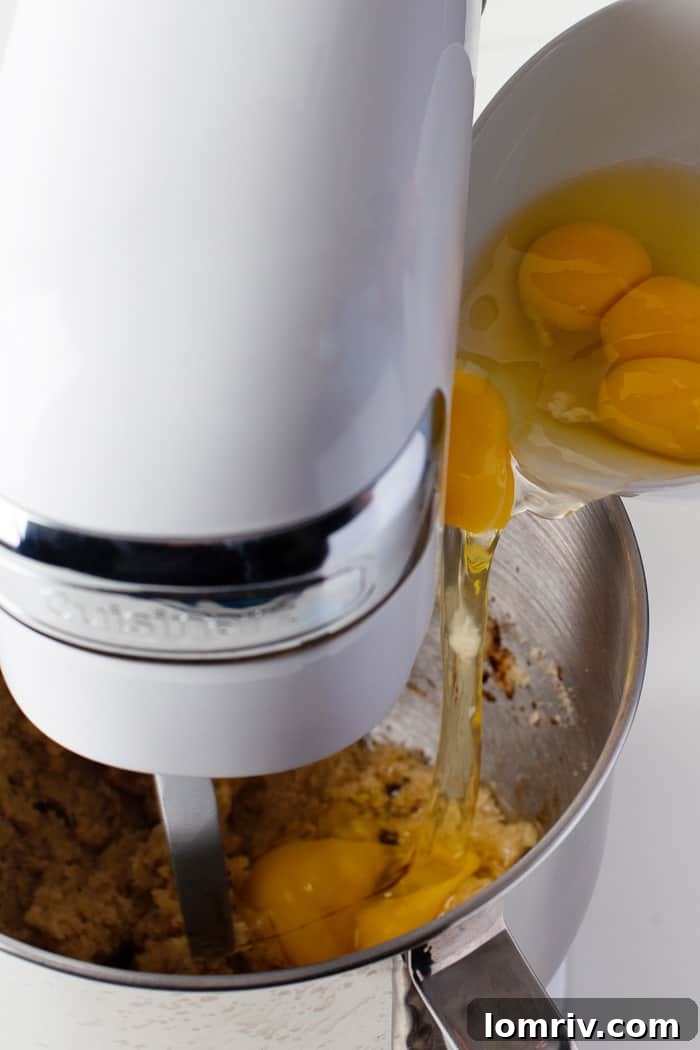
To start, you’ll cream together softened unsalted butter and both granulated sugar and brown sugar until the mixture is light, fluffy, and well combined. This crucial step incorporates air, which contributes to a tender, fine-crumbed cake. Next, add your large eggs, one at a time, ensuring each is fully incorporated before adding the next. This prevents the mixture from curdling and helps maintain a smooth, emulsified batter. A dash of pure vanilla extract at this stage enhances all the sweet flavors, adding depth to the chocolate.
Combining Dry and Wet:
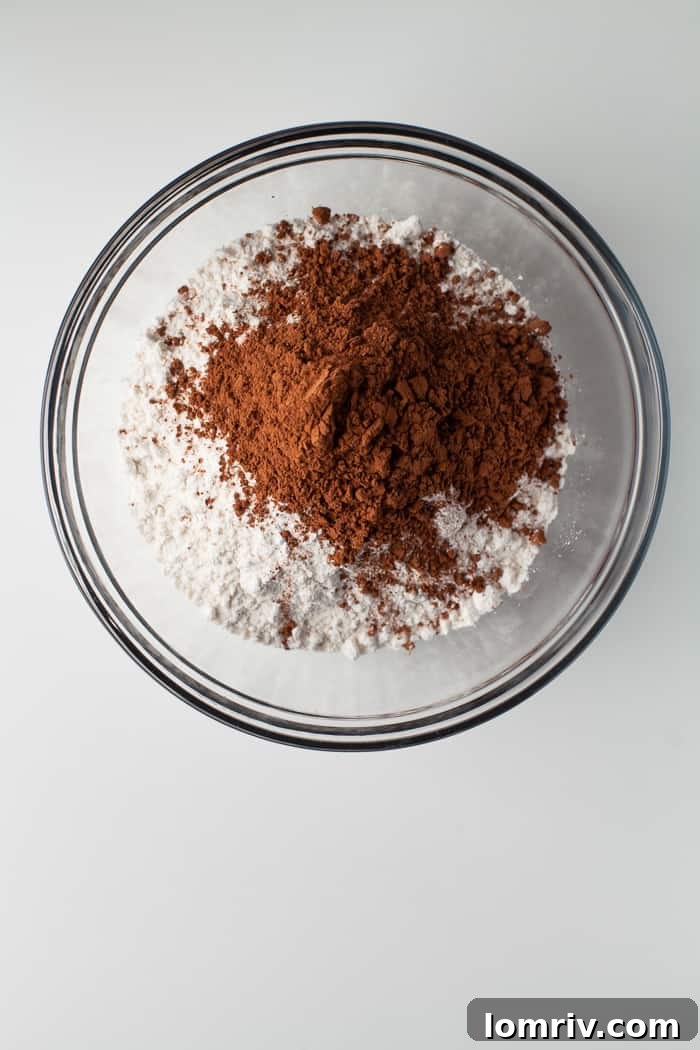
In a separate large bowl, whisk together your dry ingredients: all-purpose flour, baking powder for lift and tenderness, a pinch of salt to balance the sweetness and enhance other flavors, and unsweetened cocoa powder to give our cake its signature rich chocolate flavor. Gradually add these sifted dry ingredients to your wet mixture in three additions, alternating with the whole milk. Mix just until combined after each addition, being careful not to overmix the batter. Overmixing can develop the gluten in the flour, leading to a tough and dry cake, which is the opposite of what we want for moist cake pops.
Adding More Chocolate Goodness:
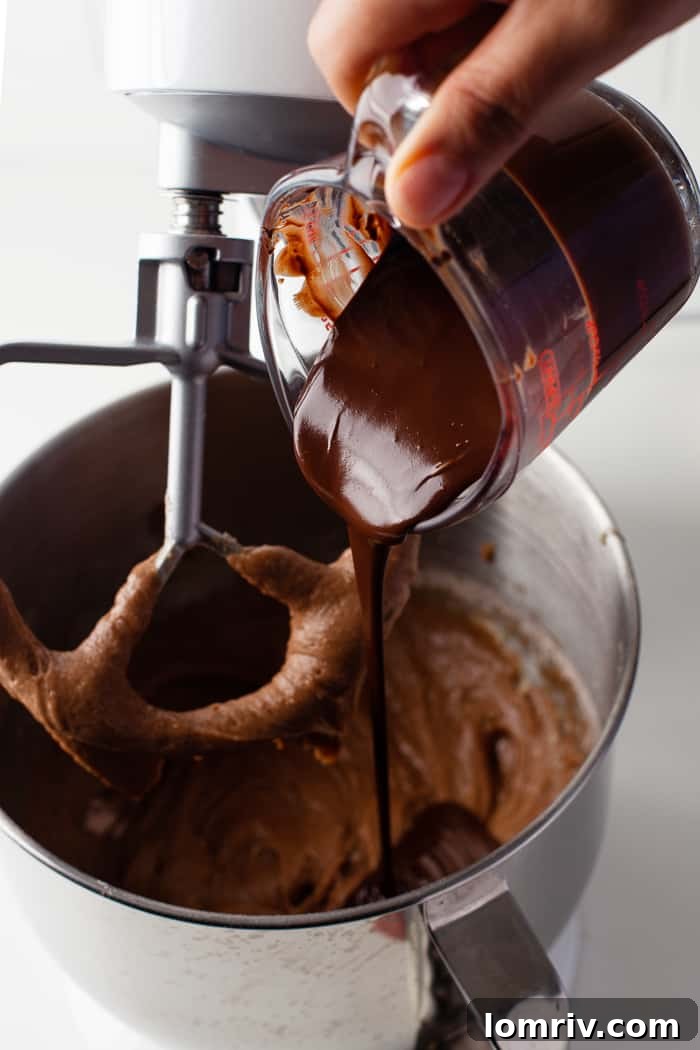
For an extra burst of deep chocolate flavor and a more complex profile, gently fold in melted semi-sweet chocolate chips into the batter. This step truly elevates the cake, making it extra decadent and perfectly suited for these special Easter treats. The melted chocolate creates pockets of intense flavor and contributes to the overall moistness of the cake base.
Baking to Perfection:
Transfer your beautifully rich chocolate cake batter into prepared baking pans, spreading it evenly. Bake until a toothpick inserted into the center comes out clean, indicating it’s perfectly done and cooked through. Once baked, the most important step for cake pops is patience: allow the cake to cool completely on a wire rack before attempting to crumble it. A warm cake will be too sticky and won’t achieve the right consistency for forming your pops, potentially leading to greasy or crumbly cake pop mixture. This cooling period is non-negotiable for cake pop success.
Phase 2: Assembling Your Easter Cake Pops
Now for the truly fun and creative part – transforming your perfectly baked and cooled cake into delightful, festive cake pops!
Crumbling and Binding:
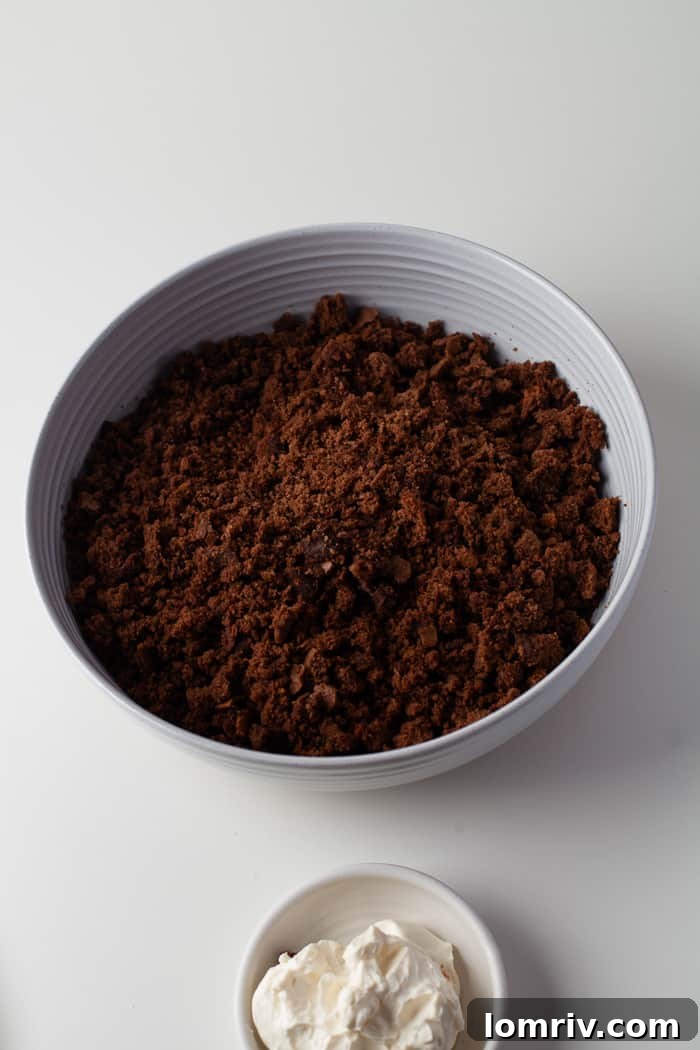
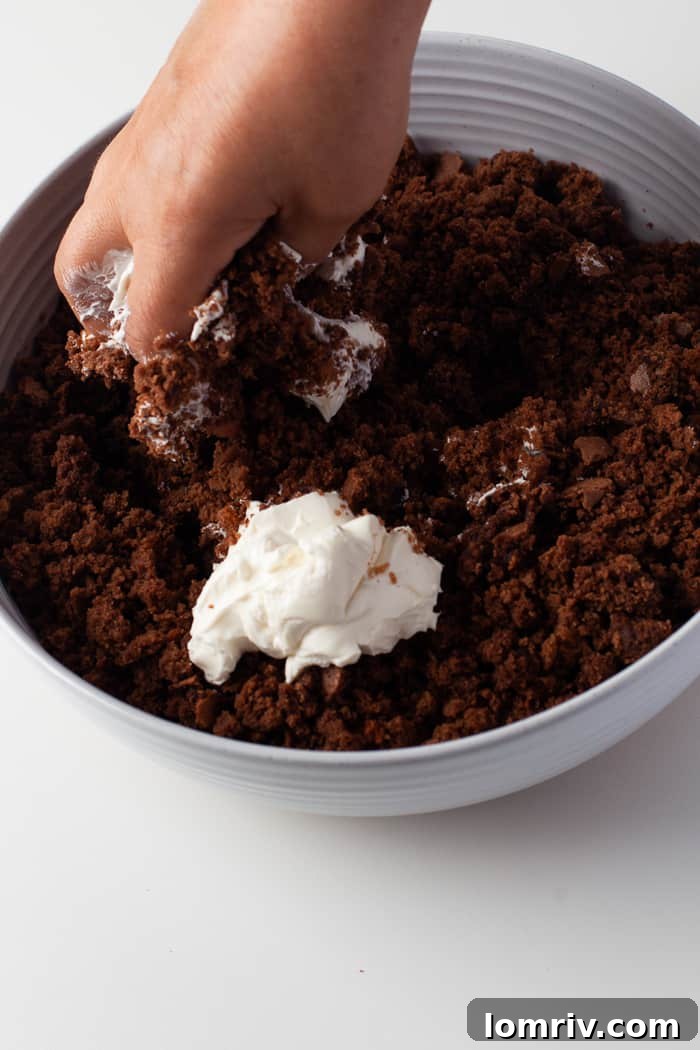
Once your cake is thoroughly cooled, crumble it into a large mixing bowl. You can use your hands for a rustic, chunky crumble (which some prefer for texture) or a food processor for finer, more uniform crumbs. Then, add the softened cream cheese to the cake crumbles. This is the crucial binding agent that turns fluffy cake crumbs into a moldable “dough.” Mix everything together with your hands until the cream cheese is evenly distributed and the mixture holds its shape when pressed firmly. It should be moist enough to form without being greasy or excessively crumbly – think of it like a firm cookie dough. This hands-on step is great for getting kids involved!
Filling and Freezing:
Press the cake mixture firmly into your egg-shaped silicone molds, ensuring there are no air pockets and the surface is smooth. If you don’t have molds, simply roll the mixture into small, even egg shapes by hand, aiming for uniform size for even dipping. Place the filled molds (or hand-rolled cake balls) into the freezer for about 5-10 minutes. This brief chill time is essential; it firms up the cake pop mixture, making it much easier to handle and preventing it from falling apart when dipped into the warm candy coating. Don’t over-freeze, as this can cause condensation and affect the coating adherence.
Melting the Candy Coating:
While your cake pops are chilling, melt your candy melts. Place each color in a separate microwave-safe bowl. Heat them in 30-second intervals, stirring well after each, until smooth and fully melted. Be careful not to overheat, as this can cause the candy melts to seize and become unusable. The consistency should be fluid enough for dipping, but not too thin. If your candy melts are too thick, you can thin them with a tiny bit of vegetable shortening or coconut oil, adding a quarter teaspoon at a time until the desired smooth, pourable consistency is reached.
Dipping and Decorating:
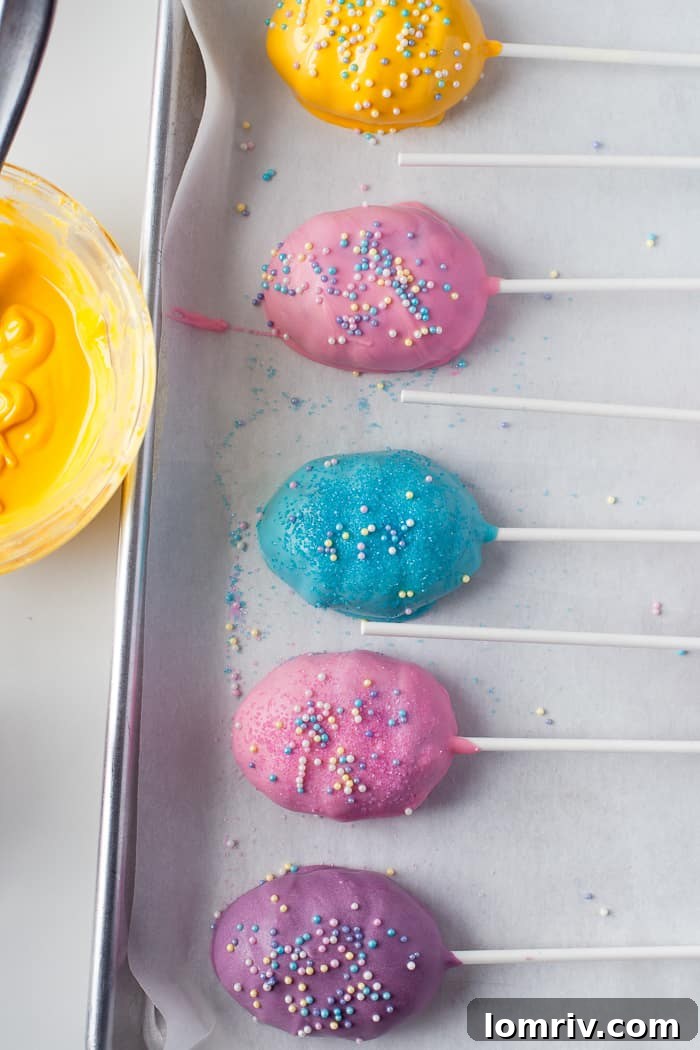
Remove the firm cake pops from the molds. Dip the tip of each lollipop stick about half an inch into the melted candy coating, then immediately insert this coated tip into the center of a cake pop, no more than halfway through. This creates a secure “glue” that helps the stick stay firmly attached to the cake pop. Now, gently dip the entire cake pop into the melted candy coating of your choice, ensuring it’s fully and evenly coated. You can also use a spoon to drizzle and cover the cake pops, especially if you prefer a thicker coat or want a more rustic, textured look.
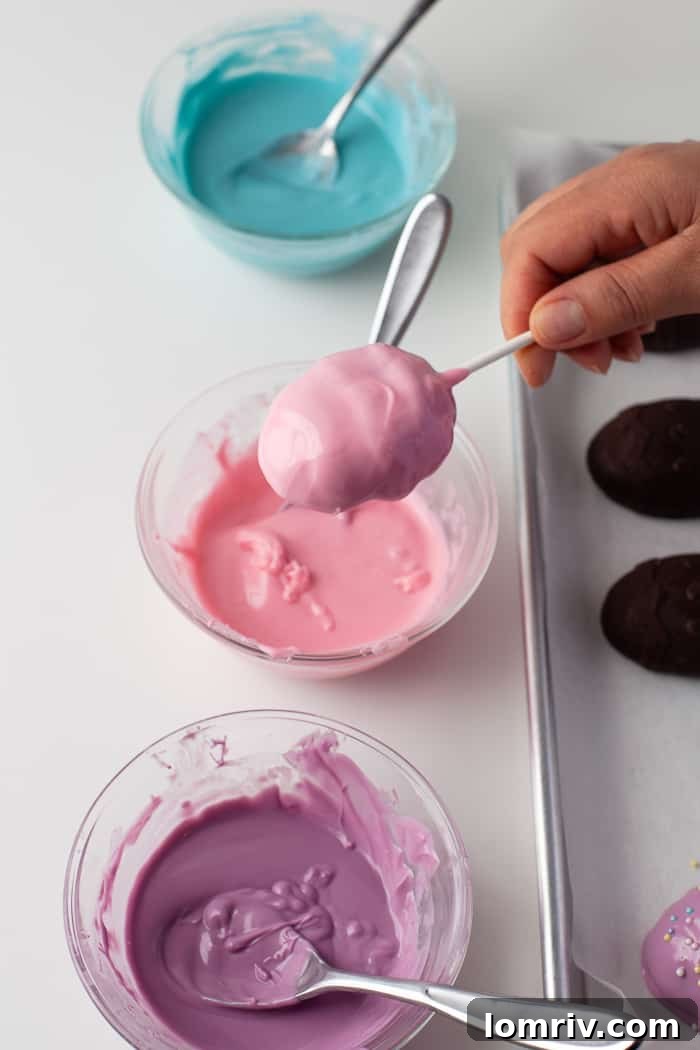
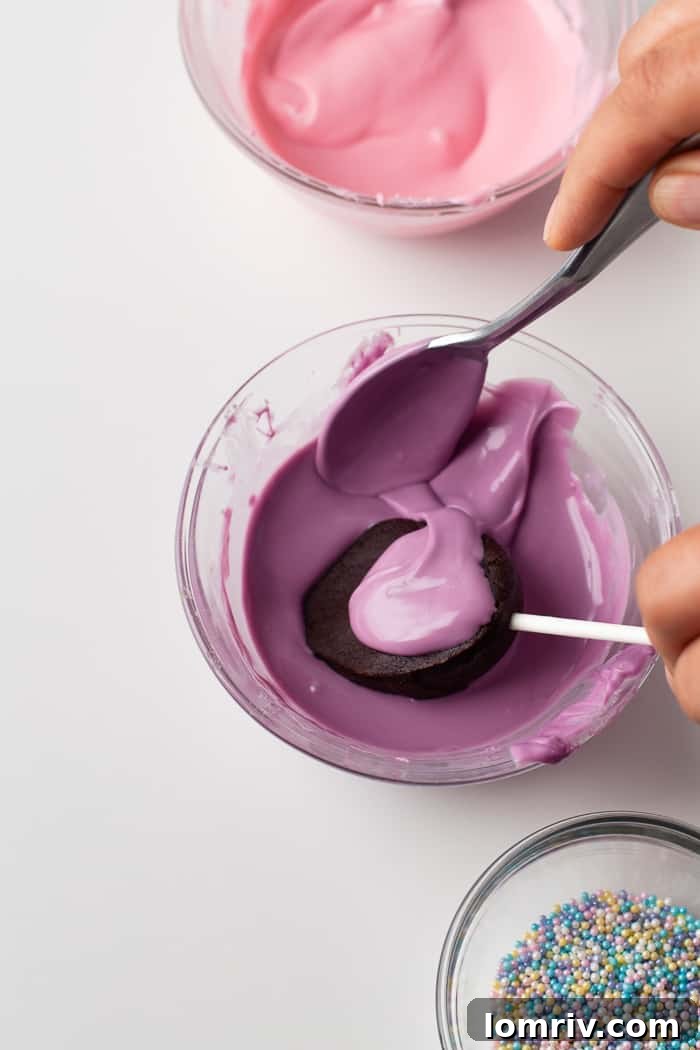
Regardless of your preferred dipping method, work quickly! Once covered, gently tap off any excess coating by tapping the stick against the side of the bowl. This prevents drips and ensures a smooth, even finish. Immediately place the coated cake pop on a sheet of parchment paper or a foam block (if decorating upright). While the candy melt is still wet, liberally add your chosen sprinkles, edible glitter, mini chocolate eggs, or other fun decorations. This ensures they adhere beautifully before the coating sets. For those with a steady hand, piping additional intricate designs with contrasting candy melts can elevate your cake pops to the next level. However, for novices or those short on time, a generous scattering of festive sprinkles is absolutely adorable and perfectly sufficient to create a charming Easter treat!
Tips for Cake Pop Perfection
Achieving picture-perfect cake pops is easier than you think, especially with a few handy tips:
- Cool Cake is Key: Seriously, this cannot be stressed enough. Ensure your cake is completely cool – ideally chilled – before crumbling. Warm cake will result in a sticky, greasy, and difficult-to-handle mixture that won’t form well.
- Don’t Overmix the “Dough”: When combining the crumbled cake and cream cheese, mix just until it comes together and is pliable. Overmixing can make the cake pop mixture too dense or greasy, affecting the final texture.
- Proper Chilling: Freezing the shaped cake pops briefly (5-10 minutes) is vital for them to firm up and hold their shape during dipping. This prevents them from falling apart in the warm coating. Don’t leave them in the freezer for too long, as extreme cold can cause condensation, which makes the coating crack.
- Melted Candy Consistency: Your candy melts should be smooth and fluid, but not watery. If too thick, add a small amount of vegetable shortening (like Crisco) or coconut oil, a quarter teaspoon at a time, until the desired dipping consistency is reached. Stir thoroughly after each addition.
- Tap Off Excess: After dipping, gently tap the stick against the side of the bowl to remove excess candy coating. This prevents unsightly drips and ensures a smooth, even finish on your cake pops.
- Decorate Immediately: Sprinkles, edible glitter, or any other decorations must be applied while the candy coating is still wet. Once the coating starts to set, decorations won’t stick properly.
- Creative Alternatives: No egg molds? No problem! Hand-roll your cake mixture into perfect spheres for classic cake pops, or even logs. You can also get creative and shape them into chick or bunny forms for extra Easter charm, using your hands or small cookie cutters.
- Use a Tall, Narrow Container for Dipping: For best results, melt your candy coating in a tall, narrow mug or glass. This allows you to fully submerge the cake pop in one swift motion, ensuring an even coating without needing too much candy melt.
- Storage: Store finished cake pops in an airtight container in the refrigerator for up to a week. They are also delicious at room temperature once the coating has fully set, but refrigeration helps maintain their freshness and firmness, especially if your kitchen is warm.
Conclusion: A Sweet Addition to Your Easter Celebration
These easy Easter Cake Pops are more than just a dessert; they’re a fun project, a creative outlet, and a guaranteed crowd-pleaser for your spring festivities. Their miniature size makes them perfect for party favors, delightful additions to dessert platters, or simply a charming treat to share with loved ones. Forget those bland, store-bought imitations – homemade cake pops, especially these moist and rich chocolate ones, are truly in a league of their own. They’re sweetened to perfection and wonderfully moist, making it nearly impossible to stop at just one!
I genuinely hope you’re inspired to try these delightful Easter cake pops this season. They offer a fantastic opportunity to unleash your inner baker and create something truly special for the holiday. If you do whip up a batch and share your beautiful creations on social media, please remember to tag me using #aclassictwist. I absolutely adore seeing your baking triumphs, your unique decorative twists, and all the joy you bring to your kitchen. Happy baking, and have a wonderfully sweet and memorable Easter filled with delicious treats!

Easter Cake Pops
Move up big coffee companies because these Easter Cake Pops are better than anything you could buy! They are sweetened to perfection and are super moist. You won’t be able to eat just one.
50 minutes
35 minutes
50 minutes
Ingredients
Cake:
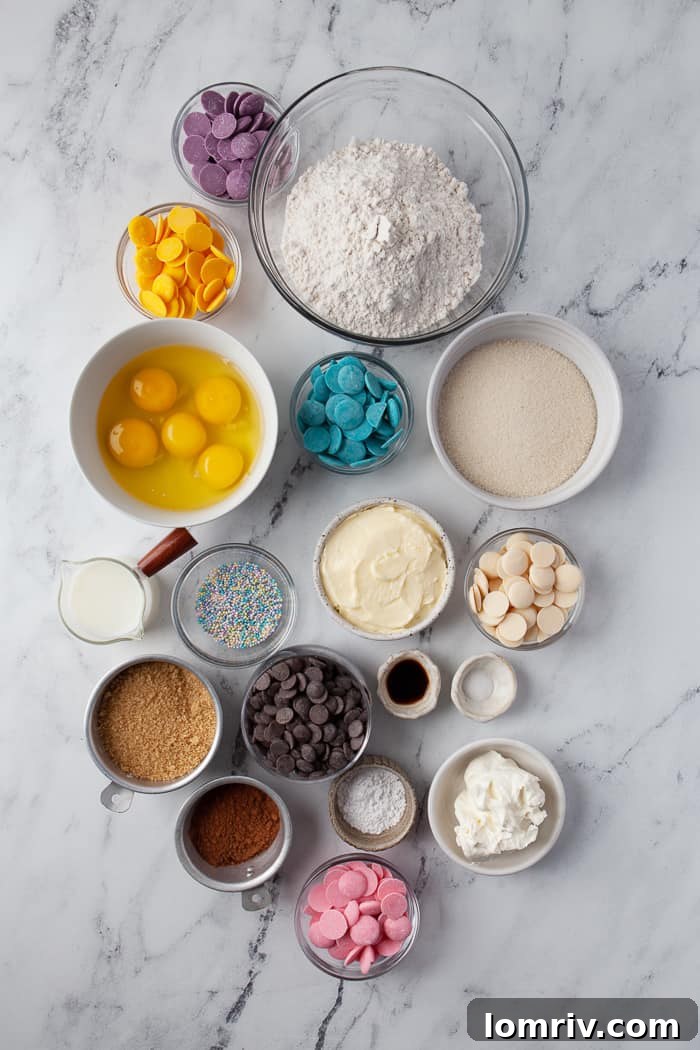
- 3/4 cup (1.5 sticks) unsalted butter, softened
- 1 cup granulated sugar
- ⅔ brown sugar
- 3 large eggs, at room temperature
- 1 teaspoon pure vanilla extract
- 2 ½ cups all-purpose flour
- 1/4 teaspoon of salt
- 1 teaspoon baking powder
- 2 tablespoons unsweetened cocoa powder
- ⅓ cup whole milk, at room temperature
- 1 cup semi sweet chocolate chips
- 8 oz Cream Cheese, softened
Coating:
- 1 cup of each color of candy melts (I used 4 colors)
- Sprinkles of choice
- Tools:
- Lollipop sticks
- Easter Egg mold
Instructions
Chocolate Cake:
- Preheat the oven to 350 degrees F (175 C) and grease two 8-inch cake pans with baking spray.
- In a standing mixer, cream the softened butter with both granulated sugar and brown sugar. Mix until the mixture is light and fluffy, about 2-3 minutes on medium speed. Add the eggs, one at a time, mixing well after each addition to ensure full incorporation. Finally, mix in the pure vanilla extract.
- In a large separate bowl, sift together all the dry ingredients: all-purpose flour, salt, baking powder, and unsweetened cocoa powder. Gradually add these dry ingredients to the wet batter in three additions, alternating with the whole milk. Mix gently between each addition until just combined. Be careful not to overmix the batter, as this can lead to a dry or tough cake.
- Melt the semi-sweet chocolate chips in the microwave, heating in 30-second intervals and stirring after each until smooth. Ensure you do not burn the chocolate.
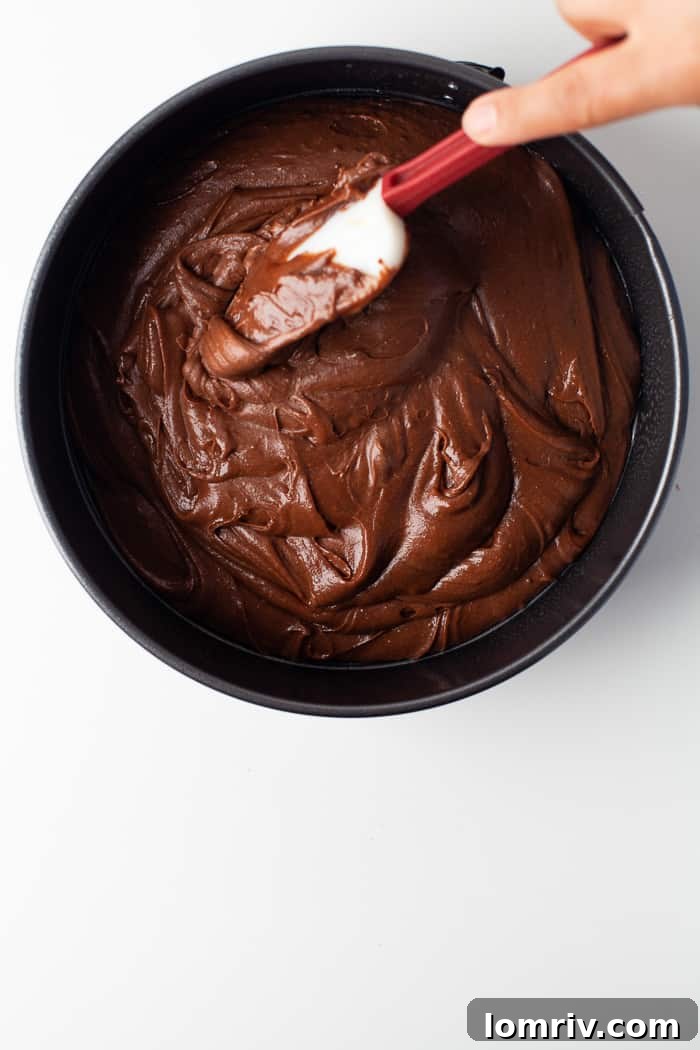
- Once the chocolate is melted and slightly cooled, gently fold it into the prepared cake batter. Divide the batter evenly into the two greased cake pans.
- Place the pans in the preheated oven and bake for 30 – 35 minutes, or until a wooden toothpick inserted into the center of the cakes comes out clean.
- Remove the cakes from the oven and let them cool in their pans for 15 minutes before carefully removing them to a wire rack to cool completely. This is a crucial step; the cakes must be completely cold before proceeding.
Easter Cake Pops:
- Prepare your candy melts: In small, individual microwave-safe bowls, melt each color of candy melts separately. Heat in 30-second intervals, stirring thoroughly after each, until smooth and fluid.
- Meanwhile, crumble the completely cooled cake into a large mixing bowl. Add the softened cream cheese. Using your hands, mix until the cake crumbles and cream cheese are perfectly combined and form a dense, pliable dough-like consistency that can be easily rolled or shaped.
- Press the cake mixture firmly into your egg-shaped mold cavities, filling them completely. If you don’t have a mold, roll the mixture into 18-20 uniform egg shapes by hand. Place the filled mold (or shaped cake balls) into the freezer for about 5-10 minutes, or until they are firm enough to handle without falling apart.
- Remove the firm cake pop shapes from the mold. Dip the tip of one lollipop stick about 1/2 inch into the melted candy coating, then immediately insert this coated tip into the center of a cake pop, no more than halfway. This ‘glues’ the stick securely. Repeat for all cake pops.
- Now, fully dip your Easter egg cake pop into the melted candy coating of your choice, ensuring it’s evenly covered. Gently tap off any excess coating. Alternatively, you can use a spoon to carefully drip the chocolate over the cake pop for a more controlled coating.
- Return the coated cake pops to your baking sheet (lined with parchment paper). Immediately add your desired sprinkles or other decorations while the candy coating is still wet. Refrigerate for at least 5 minutes to allow the coating to set completely.
- Serve and enjoy these delightful Easter Cake Pops!
Notes
Another option to make your eggs is to add a thick layer of chocolate into your mold using a brush. Place the lollipop stick about ½ inch into the mold once you have placed the layer of chocolate. Let it set and add your cake mixture into the mold. Cover the top with another layer of chocolate and let it set completely. Remove from the mold.
Recommended Products
As an Amazon Associate and member of other affiliate programs, I earn from qualifying purchases.
- Nordic Ware Natural Aluminum Commercial Baker’s Jelly Roll Baking Sheet
- Pyrex Glass Mixing Bowl Set (3-Piece)
- 2 Pack Easter Egg Shaped Silicone Cake Mold 6-Cavity Chocolate Cook Trays for DIY Candy Chocolate Jelly Fondant Making
Making this Recipe?
Share it with us on Instagram using #aclassictwist so we can see what you are baking up in your kitchen!