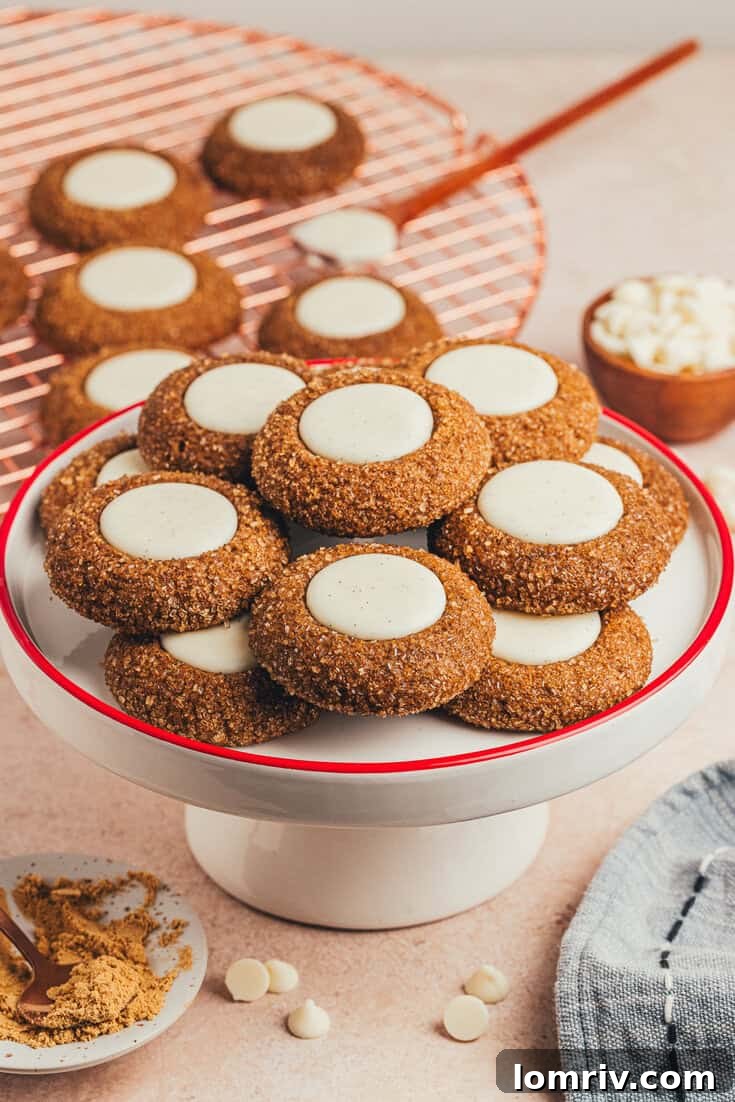
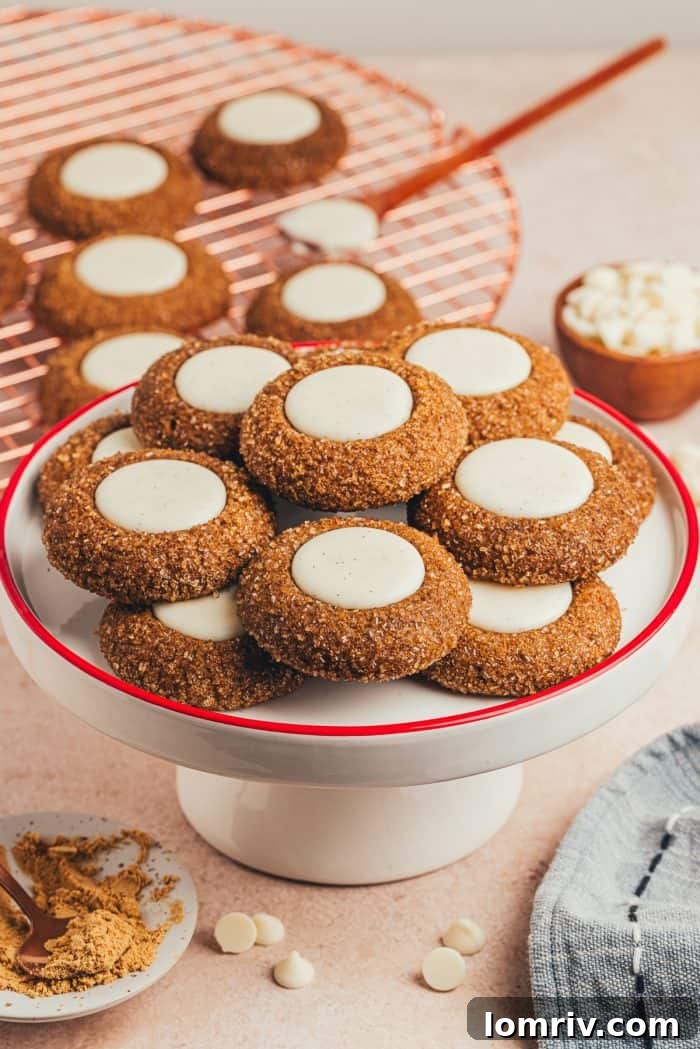
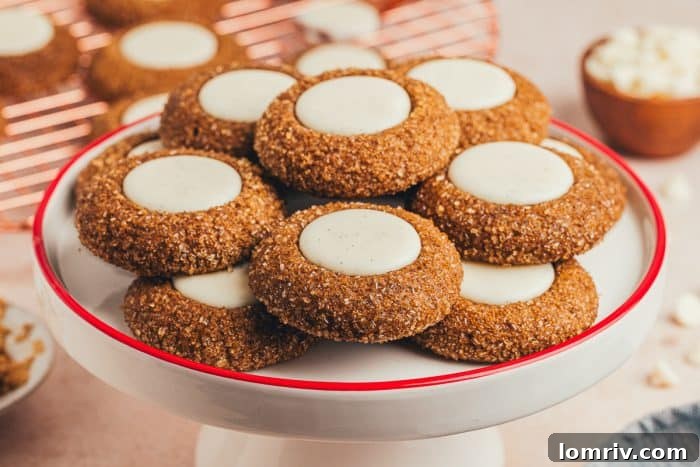
As the holiday season draws near, the aroma of warm spices and freshly baked treats fills homes with an unparalleled coziness. Among the many festive delights, Gingerbread Thumbprint Cookies with Vanilla Bean White Chocolate Filling stand out as a truly enchanting creation. These cookies offer a delightful contrast of textures and flavors: a perfectly chewy, warmly spiced gingerbread base complemented by a smooth, sweet, and luxurious vanilla bean white chocolate center. They are not just cookies; they are edible symbols of holiday cheer, perfect for sharing, gifting, or simply savoring with a cup of hot cocoa.
If you’re searching for a new staple for your annual holiday baking list, look no further. These gingerbread thumbprint cookies effortlessly combine the nostalgic comfort of classic gingerbread with an elegant, modern twist. They’ve already claimed a permanent spot in my own holiday cookie repertoire, and I’m confident they’ll do the same for yours. Imagine them nestled into beautifully curated Christmas cookie boxes, bringing smiles to everyone who receives them.

The Irresistible Allure of Gingerbread Thumbprint Cookies
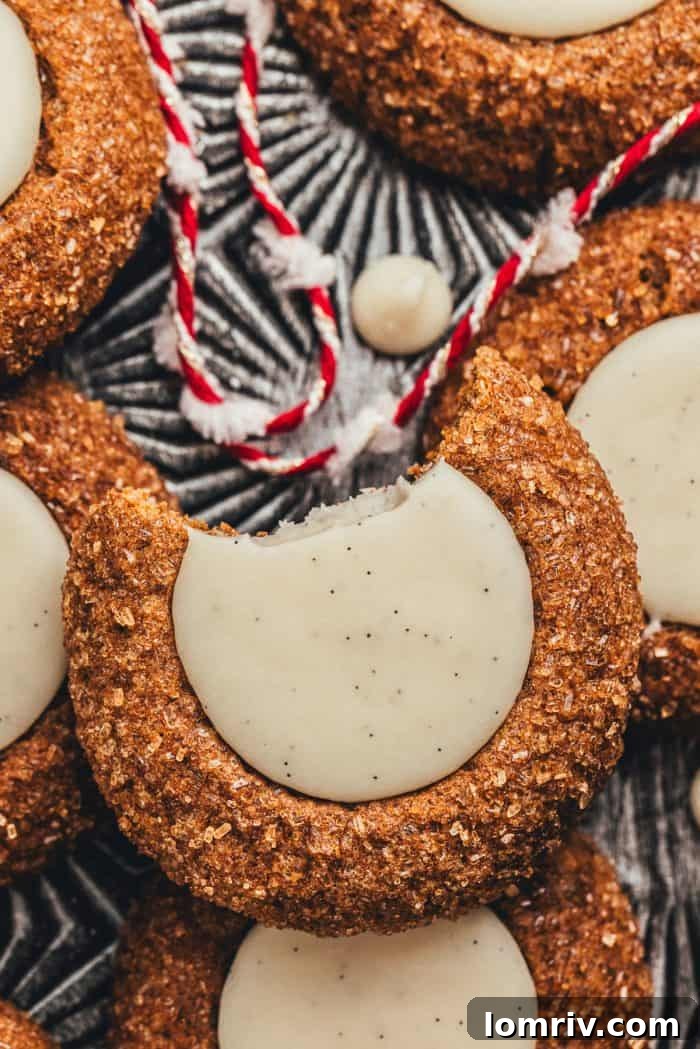
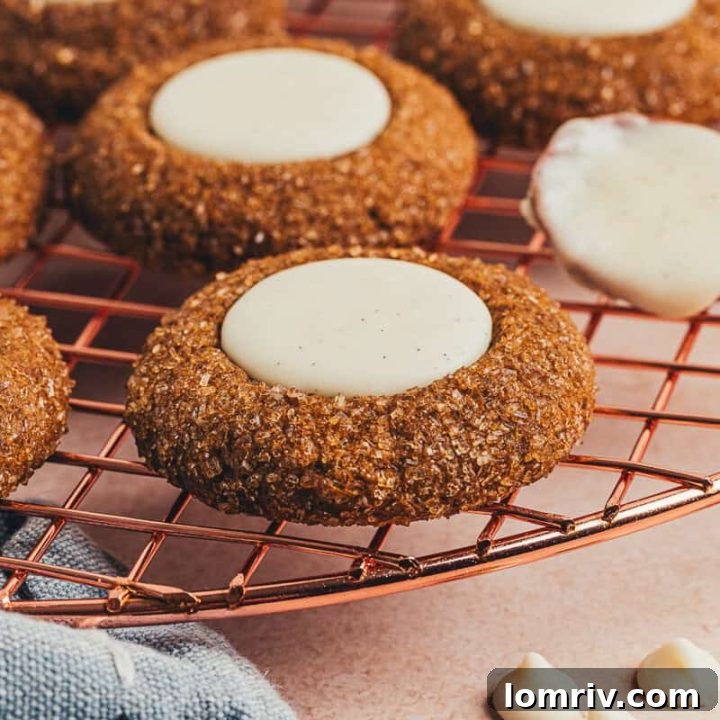
What makes these cookies so utterly captivating? It’s a symphony of thoughtfully balanced elements. Each bite begins with a satisfying, slightly crispy texture from the turbinado sugar coating, giving way to an incredibly soft and perfectly chewy interior. This delightful textural interplay is precisely what makes them so addictive.
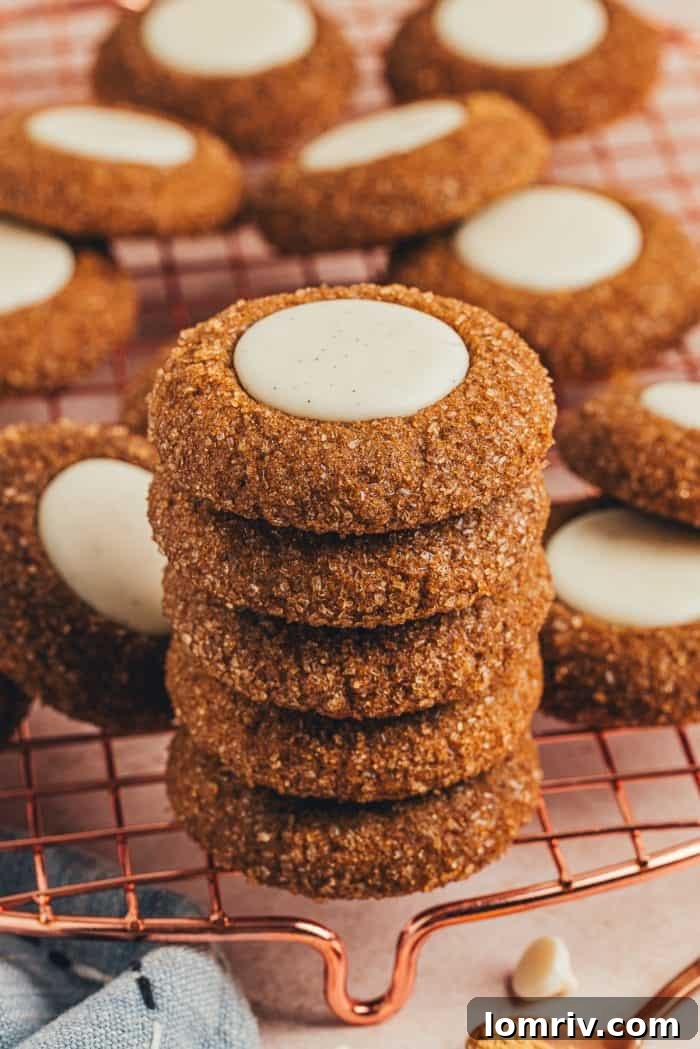
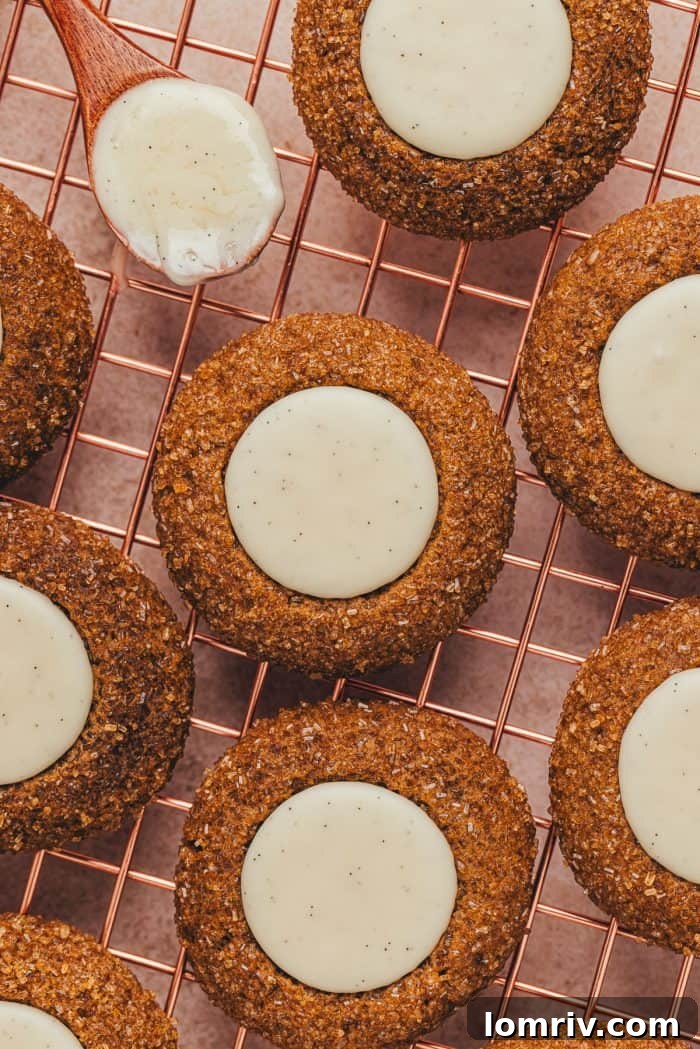
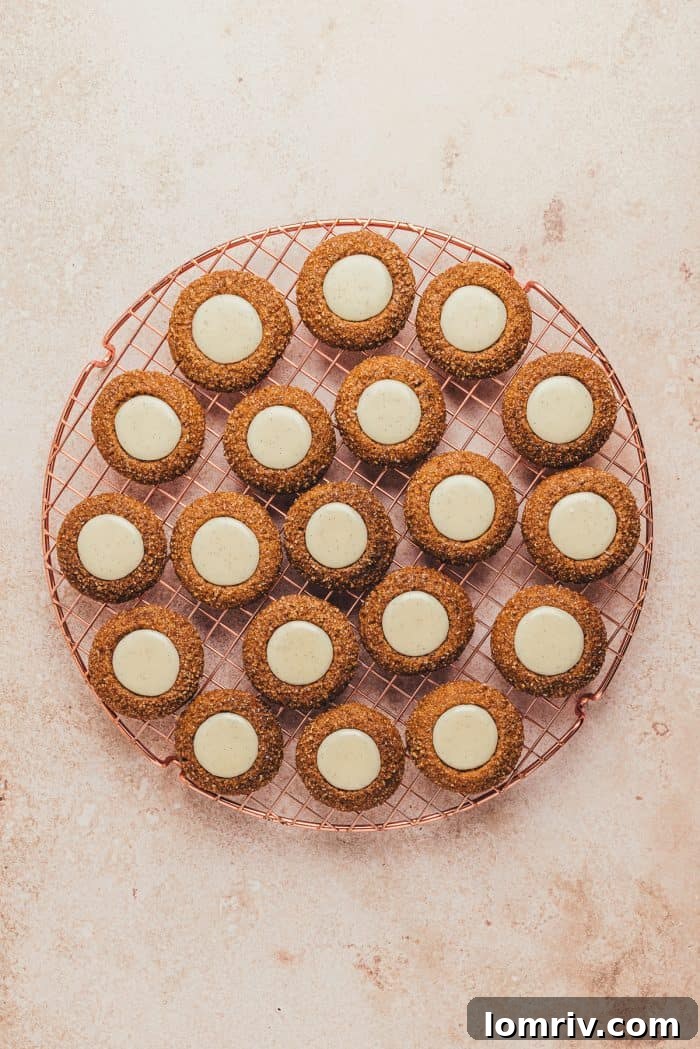
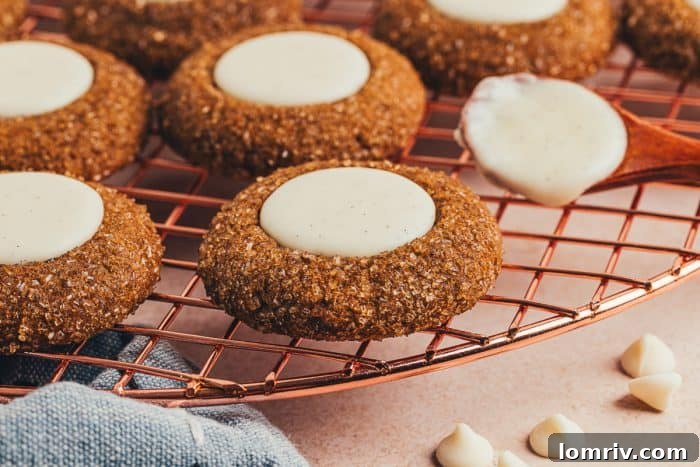
Then comes the filling: a rich, velvety vanilla bean white chocolate. The subtle specks of real vanilla bean visible within the creamy white chocolate elevate the cookie from delicious to truly luxurious. White chocolate, with its mellow sweetness, is an exquisite partner to the bold, warm, and spicy notes of gingerbread, creating a flavor profile that is both familiar and excitingly new.
A Deep Dive into Gingerbread Flavor
At the heart of any exceptional gingerbread cookie is a harmonious blend of foundational ingredients. These cookies begin with the rich, deep sweetness of unsulphured molasses, which provides that signature gingerbread depth. This is beautifully layered with an array of classic warm spices: aromatic ground ginger, comforting cinnamon, pungent cloves, and a hint of earthy nutmeg. Unlike recipes that rely solely on white sugar, our gingerbread dough is sweetened with brown sugar, which contributes an additional layer of moisture and a more complex, caramel-like flavor that truly enhances the overall gingerbread experience.
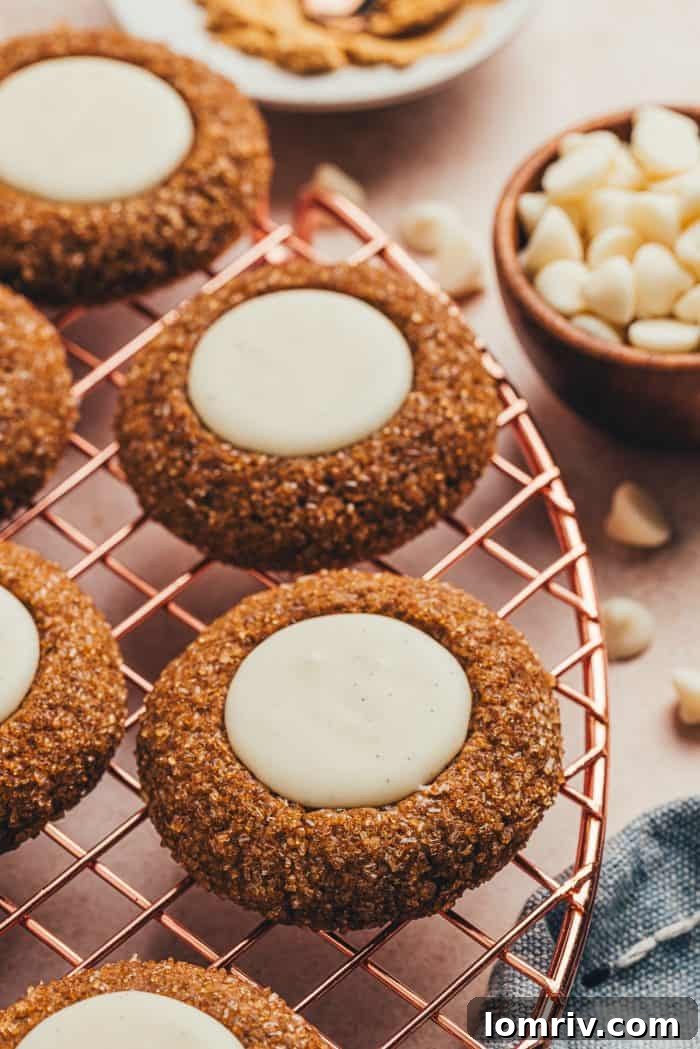
Secrets to Perfect Thumbprint Cookies Every Time
Achieving those perfectly shaped, non-spreading thumbprint cookies is simpler than you might think, thanks to a few key techniques. The ultimate secret to maintaining their beautiful indentations and preventing excessive spreading is **pre-chilling the dough**. Once scooped into individual portions, the cookie dough is thoroughly chilled, ensuring it holds its shape during baking. This crucial step prevents the dough from melting too quickly in the oven, preserving the distinct thumbprint.

After chilling, each dough ball is rolled in turbinado sugar. This isn’t just for a pretty sparkle; it adds an irresistible, delightful crunch to the exterior of the cookie, perfectly contrasting the soft, chewy interior. If turbinado sugar isn’t available, castor sugar can be a good substitute, though it won’t offer the same coarse texture or pronounced sparkle.
For creating the ideal thumbprint indentation, I always reach for a small, rounded measuring spoon. Its consistent size and shape ensure uniform indents across all cookies, making them not only beautiful but also perfectly suited to hold that generous dollop of white chocolate filling. Remember to press gently but firmly to avoid cracking the dough.
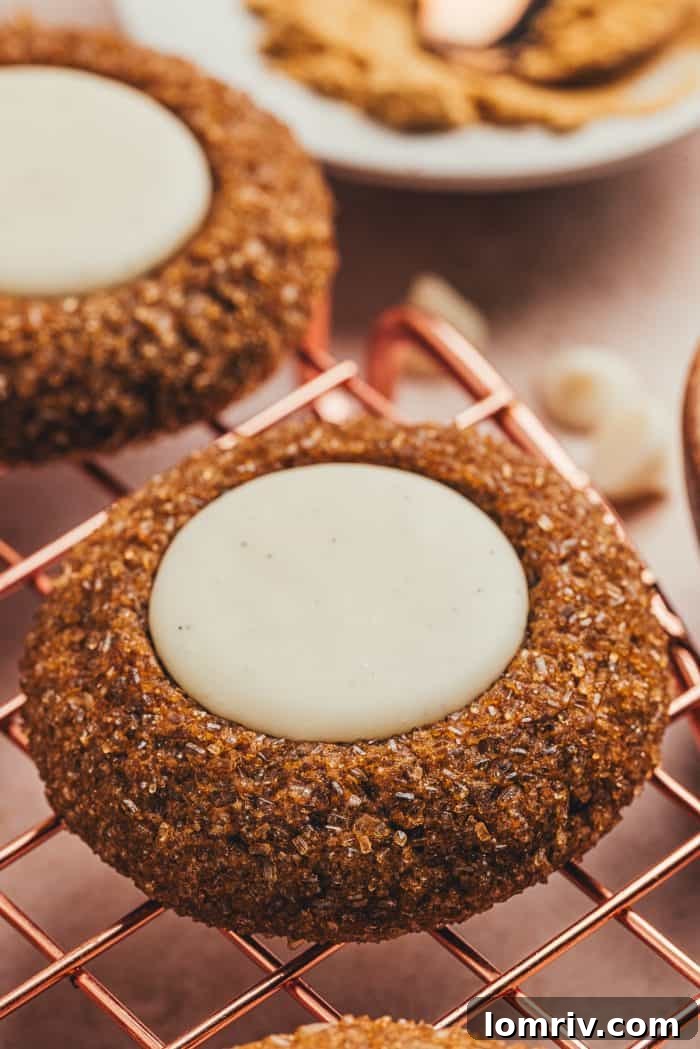
Holiday Baking Made Easy: Make-Ahead & Smart Filling Choices
One of the many advantages of this recipe, especially during the bustling holiday season, is its flexibility. The cookie dough can be prepared up to two days in advance, allowing you to tackle your holiday baking in stages. This advance preparation capability is a true lifesaver for busy schedules, letting you spread out the work and enjoy the baking process without feeling rushed.
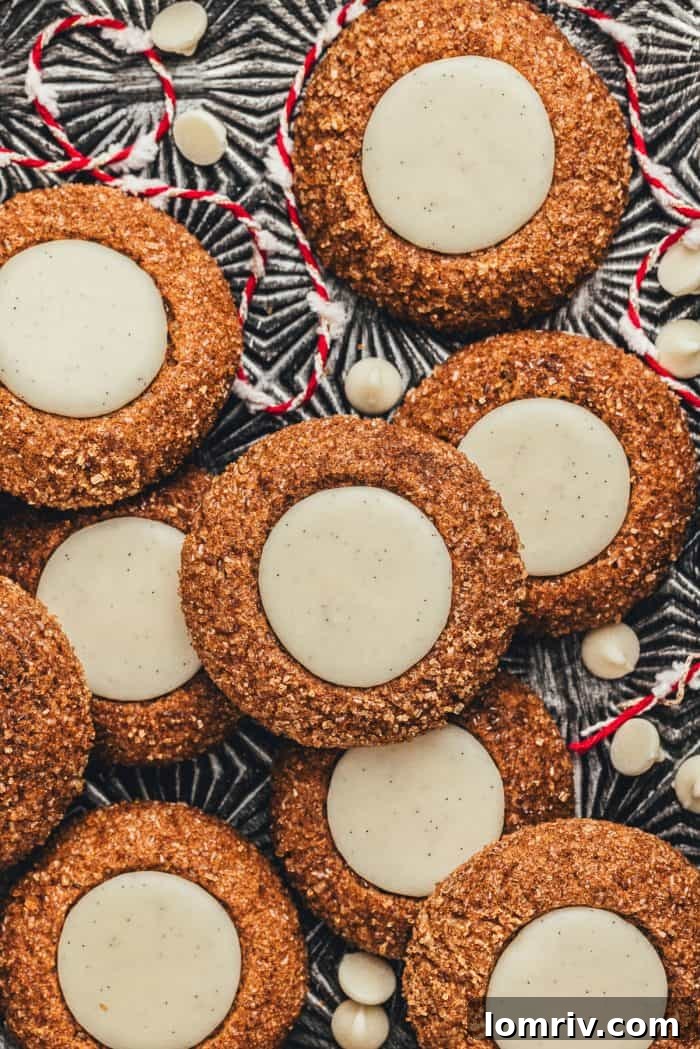
And let’s talk about that filling! While many thumbprint cookies opt for jam, I chose a rich vanilla bean white chocolate for these gingerbread delights. I felt they truly needed that extra layer of smooth, creamy vanilla to elevate their flavor and provide a beautiful visual contrast. Using vanilla bean paste instead of traditional vanilla extract is key here. Vanilla bean paste not only delivers a more intense, pure vanilla flavor but also eliminates the risk of the chocolate seizing, which can happen with alcohol-based extracts. Plus, those charming tiny flecks of real vanilla bean contribute a rustic yet elegant appearance to the finished filling, making each cookie a mini work of art.
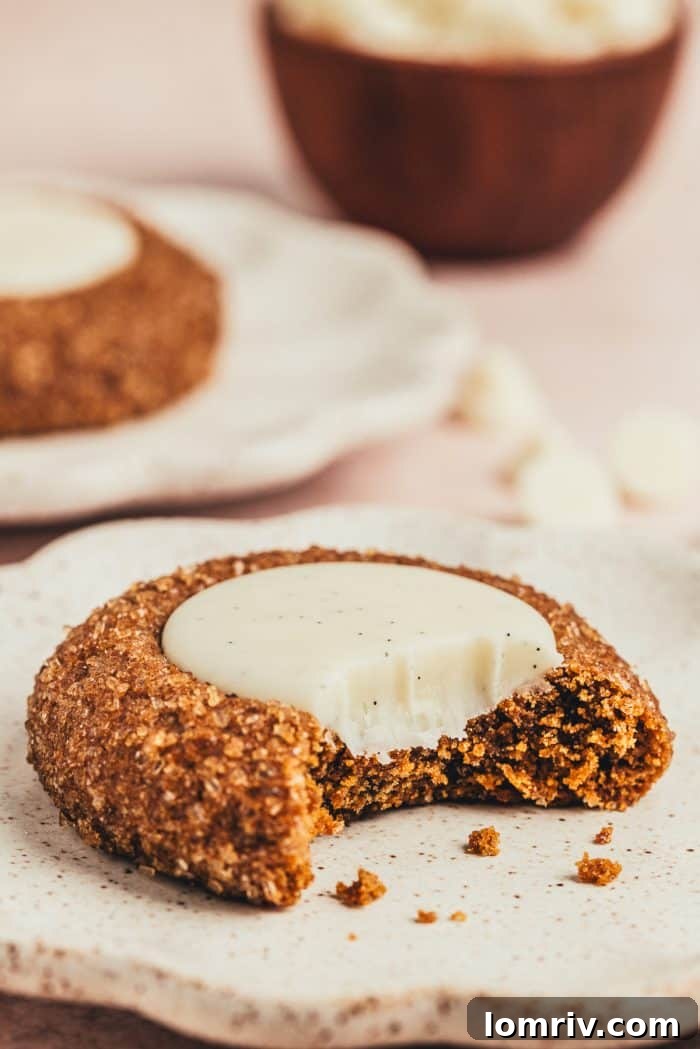
These Gingerbread Thumbprint Cookies with Vanilla Bean White Chocolate Filling are more than just a recipe; they’re an invitation to create lasting holiday memories. Their exquisite balance of flavors and textures, combined with the ease of preparation, makes them a must-bake for anyone looking to add a touch of homemade magic to their festive celebrations. I genuinely hope you’ll give them a try this holiday season – I promise, you won’t be disappointed!
Ingredients for Gingerbread Thumbprint Cookies
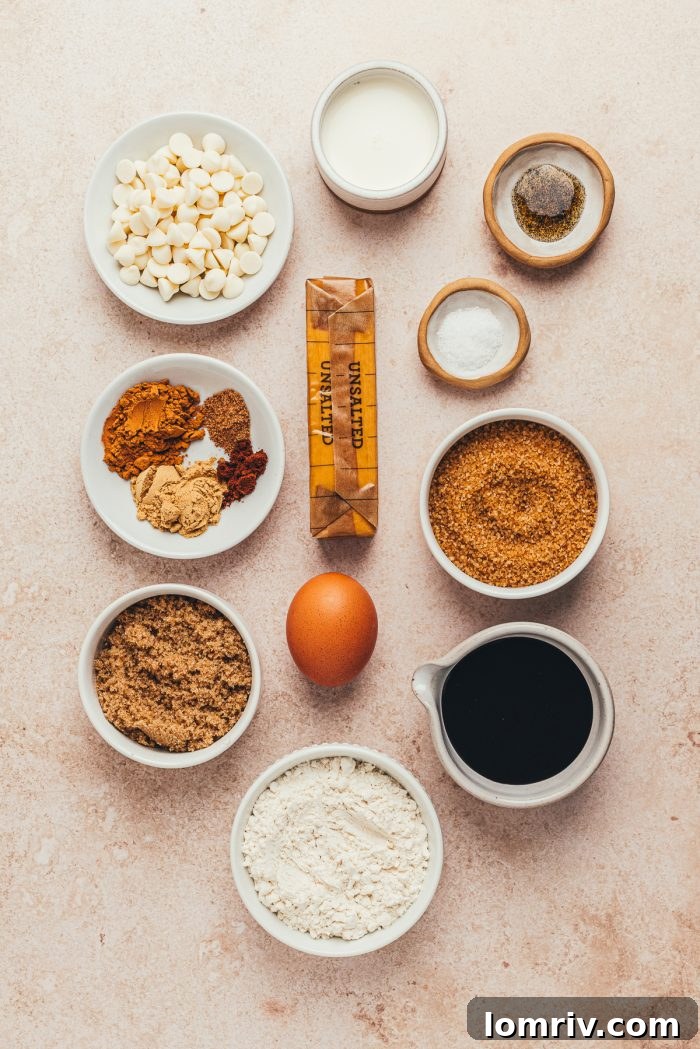
- 2 ½ cups all-purpose flour
- 1 ½ teaspoons ground ginger
- 1 ½ teaspoons ground cinnamon
- ¼ teaspoon ground cloves
- ¼ teaspoon ground nutmeg
- ½ teaspoon sea salt
- ½ cup unsalted butter, softened
- ½ cup + 2 tablespoons brown sugar, packed
- ¼ cup + 2 tablespoons unsulphured molasses
- 1 large egg, at room temperature
- ½ cup turbinado sugar, for rolling
- 3 tablespoons heavy cream
- 1 cup white chocolate chips
- 1 teaspoon vanilla bean paste
How to Make Gingerbread Thumbprint Cookies (Step-by-Step)
Follow these detailed steps to create your perfect batch of gingerbread thumbprint cookies:
Step 1: Prepare Your Workspace and Dry Ingredients
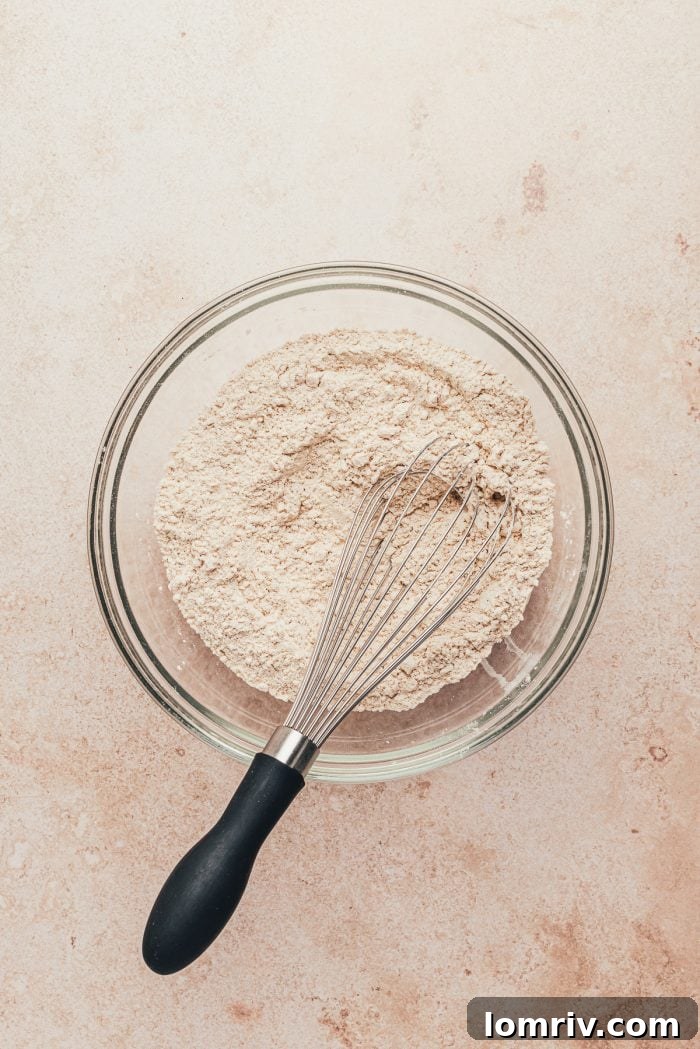
Before you begin, ensure you have enough room in your refrigerator for a large plate, platter, or baking sheet to chill the dough later. In a large bowl, whisk together the all-purpose flour, ground ginger, ground cinnamon, ground cloves, ground nutmeg, and sea salt until they are thoroughly combined. Set this dry mixture aside.
Step 2: Cream Butter and Sugar
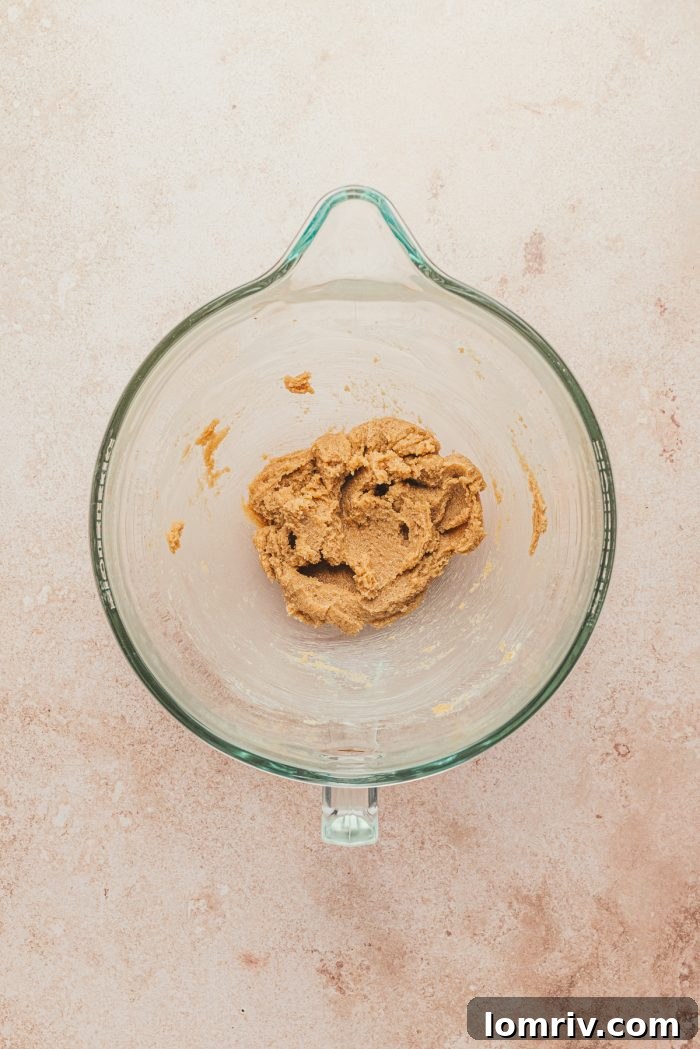
In the bowl of a stand mixer fitted with the paddle attachment, beat the softened unsalted butter and packed brown sugar on medium speed. Continue mixing for approximately 2 minutes, or until the mixture becomes light, fluffy, and creamy. This aeration is crucial for the cookies’ final texture.
Step 3: Incorporate Wet Ingredients
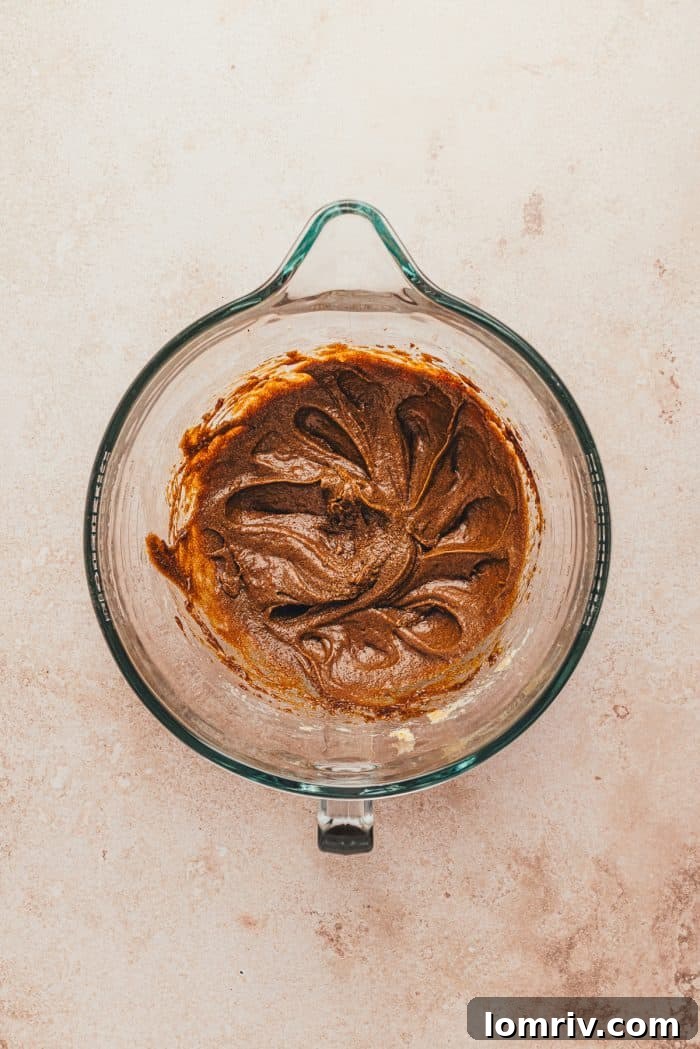
Add the unsulphured molasses and the large egg (at room temperature) to the creamed butter and sugar mixture. Beat on medium speed until the ingredients are well combined and smooth. As you mix, remember to scrape down the bottom and sides of the bowl with a spatula to ensure everything is evenly incorporated.
Step 4: Combine Wet and Dry Ingredients
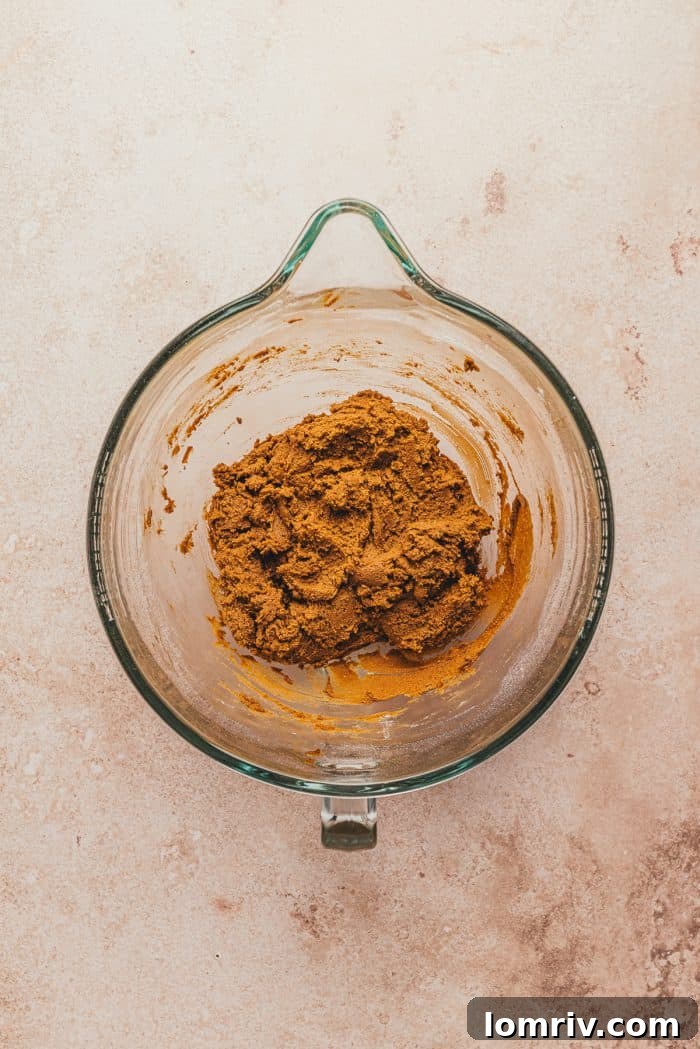
Reduce the mixer speed to low. Gradually add the whisked flour mixture to the wet ingredients, about half a cup at a time. Mix only until the dough comes together, becoming smooth and beginning to clump around the paddle attachment. Be careful not to overmix. Stop the mixer and scrape down the sides of the bowl as needed to ensure all dry ingredients are fully incorporated.
Step 5: Scoop and Chill the Dough
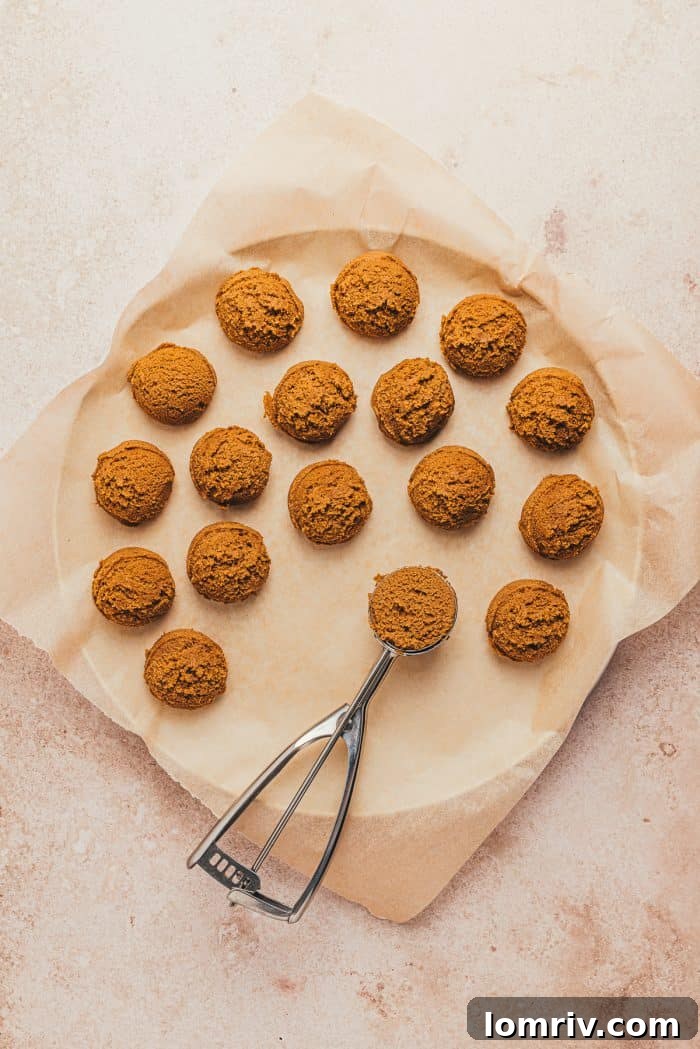
Using a 1.5 tablespoon (0.75-ounce) cookie scoop, portion out the dough and place the scoops onto a parchment-lined plate, platter, or baking sheet. This ensures uniform cookie size. Loosely cover the scooped dough with plastic wrap and chill it in the refrigerator for 1 ½ to 2 hours, or until the dough is completely firm. This chilling step is essential for preventing the cookies from spreading too much during baking and helps them hold their thumbprint shape.
Step 6: Preheat Oven and Prepare for Rolling
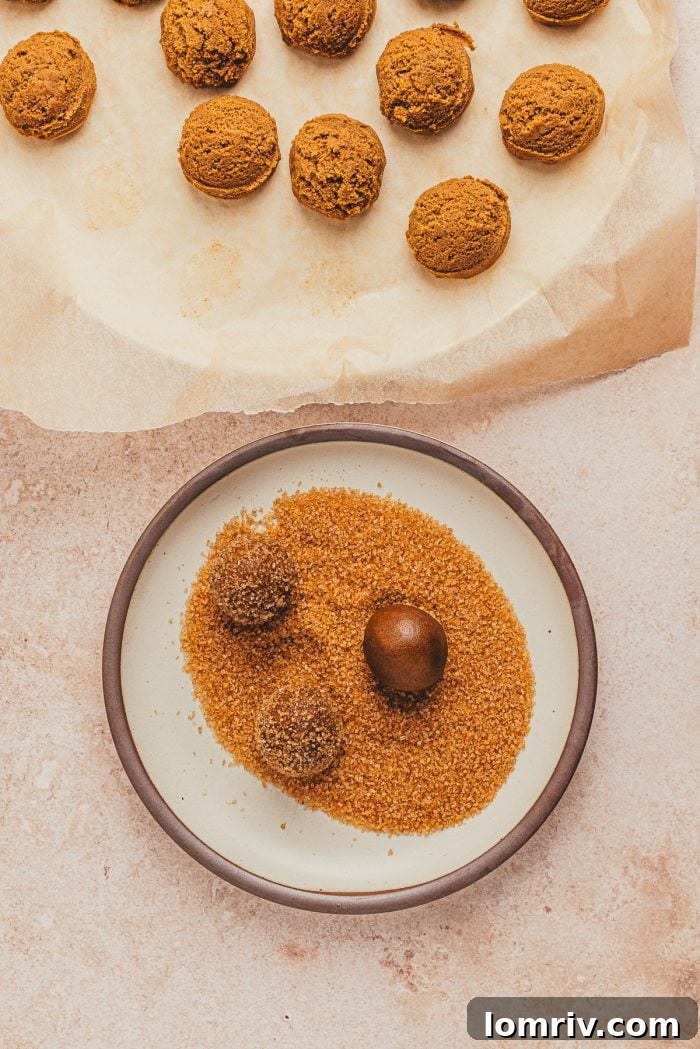
Once the dough is firm, preheat your oven to 350°F (175°C). Line two large baking sheets with parchment paper. Pour the turbinado sugar onto a plate or into a wide, shallow bowl, ready for rolling the dough.
Step 7: Roll, Indent, and Arrange Cookies
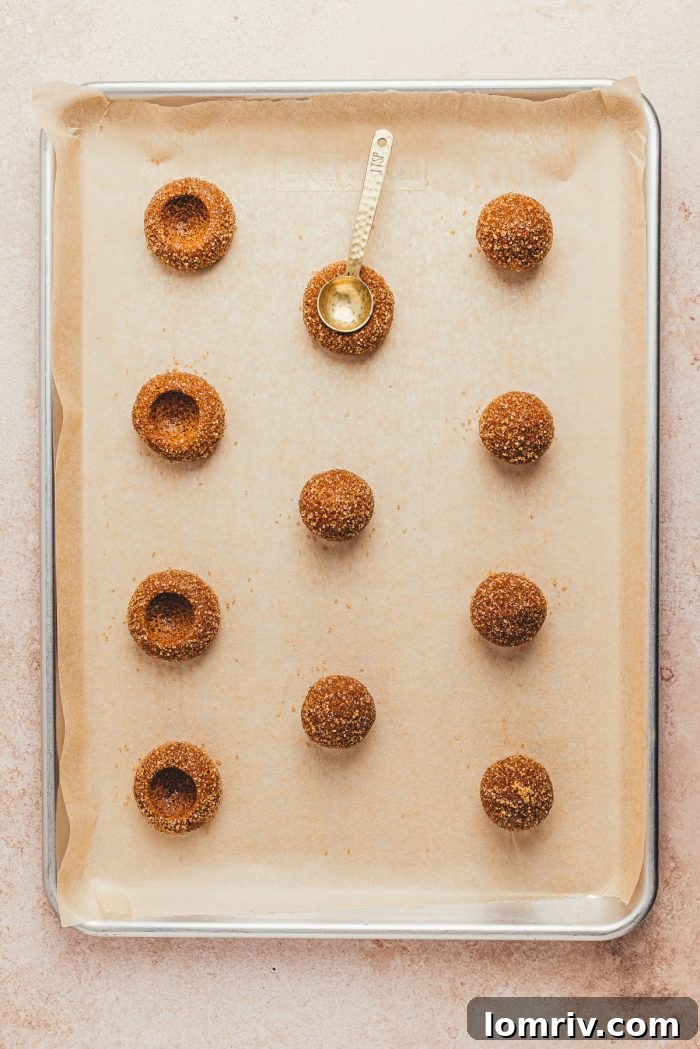
Take each chilled dough portion and roll it into a smooth ball. Then, roll each ball generously in the turbinado sugar, ensuring it’s well coated. Place the sugar-coated cookies on the prepared baking sheets, spacing them about two inches apart to allow for slight spreading. Using the back of a rounded teaspoon measuring spoon, gently but firmly press into the center of each cookie to create a deep thumbprint indentation. Be careful not to press all the way through or create cracks.
Step 8: Bake and Cool
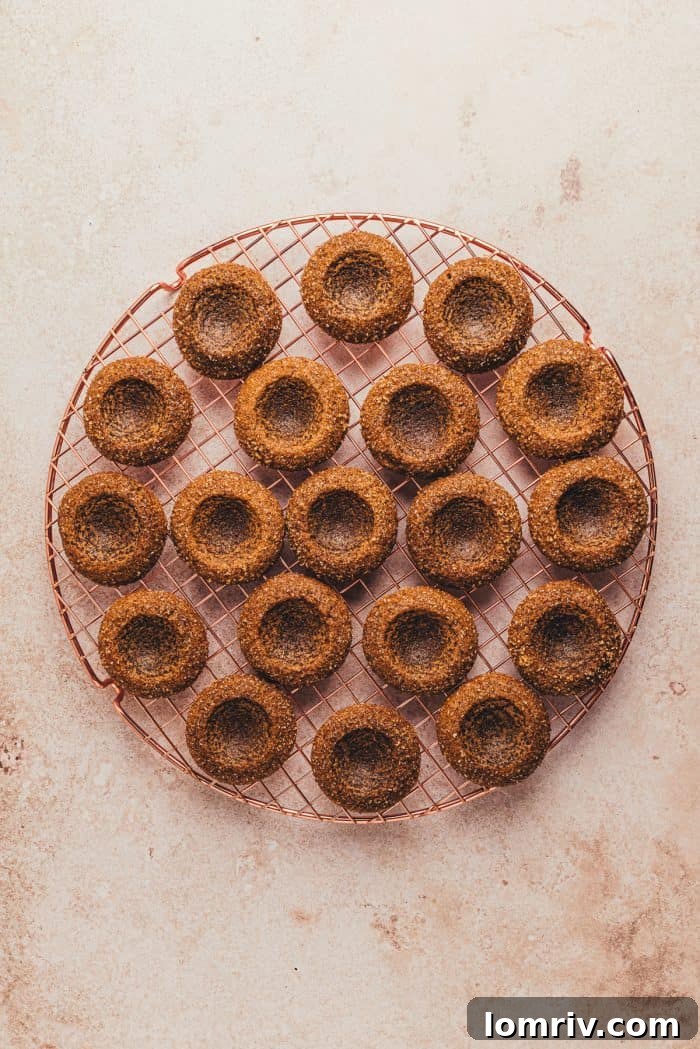
Bake the cookies in batches (one baking sheet at a time) for 8 to 12 minutes. The cookies are ready when they are just set around the edges but still soft in the center. Resist the urge to overbake, as this will result in a crispier cookie rather than the desired soft, chewy texture. As soon as the cookies come out of the oven, use the back of the teaspoon to gently reinforce the thumbprint indentation if needed. Allow the cookies to cool on the baking sheet for 10-15 minutes before carefully transferring them to a wire cooling rack to cool completely. They must be fully cooled before filling.
Step 9: Prepare and Fill with Vanilla Bean White Chocolate
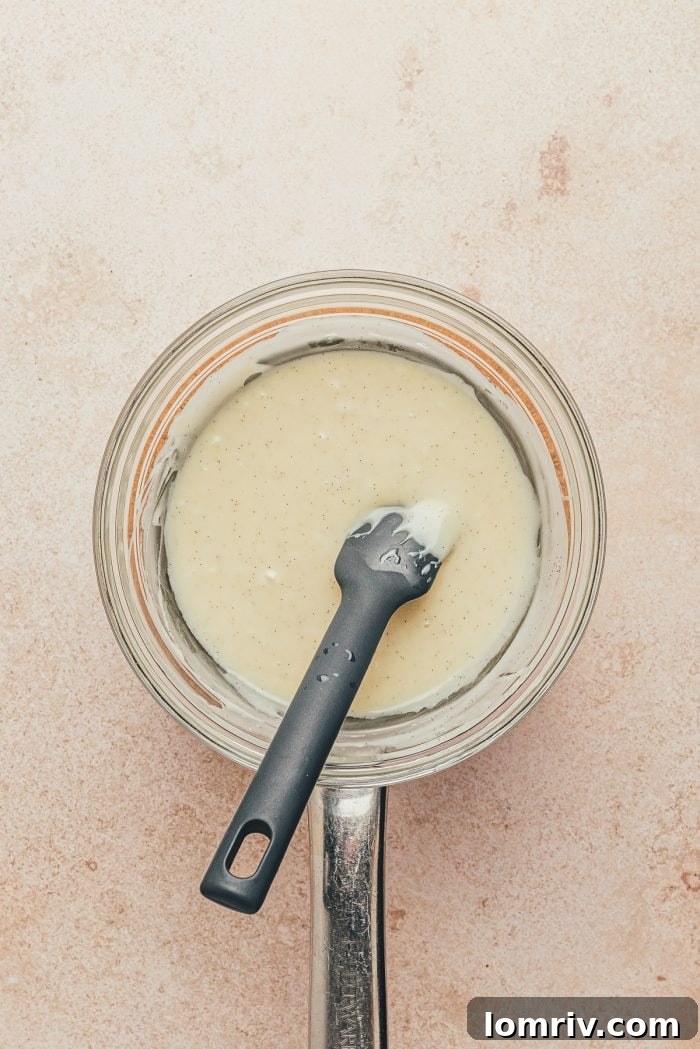
Once the cookies are completely cool, prepare the white chocolate filling. In a double boiler (or a heat-safe bowl set over a small pot of simmering water, ensuring the bowl doesn’t touch the water), combine the heavy cream and white chocolate chips. Stir continuously until the white chocolate is fully melted and the mixture is smooth and glossy. Remove from heat and stir in the vanilla bean paste. Using a small spoon, carefully fill the thumbprint indentation of each cookie with the melted white chocolate. Allow the white chocolate filling to set fully, which typically takes about an hour, before serving or storing.
Tips for Success & FAQs
- Uniformity is Key: A 1.5 tablespoon (0.75-ounce) cookie scoop ensures uniform cookies, which is ideal for creating consistent thumbprint indentations with your teaspoon measuring spoon.
- Molasses Matters: Always use unsulphured molasses for this recipe. Avoid blackstrap molasses, as its flavor is much stronger and can overpower the delicate spice balance of the gingerbread.
- Double Boiler Basics: If you don’t have a dedicated double boiler, you can easily create one. Simply nest a heat-safe bowl over a small pot of simmering water. The key is that the bottom of the bowl should not touch the surface of the water; the steam alone will gently melt the chocolate.
- Turbinado Sugar Advantage: While granulated sugar can be used, turbinado sugar is highly recommended. It yields a prettier, sparkly texture and provides a delicious crunch that perfectly complements the chewy cookie base.
- Avoiding Cracks in Thumbprints: To prevent the dough from cracking when making the indentations, gently roll each dough ball in your hands for a few seconds to warm it slightly. Then, press down gently and evenly with the back of your teaspoon. If cracks appear, simply re-roll the dough in your hands and try again.
- Chill After Scooping: The recipe calls for scooping the dough before chilling. This is intentional, as the dough becomes quite firm and difficult to scoop once fully chilled. Scooping first ensures easier portioning and a consistent size.
- Don’t Overbake: Due to the molasses and brown sugar content, these cookies can become very crisp if overbaked. Baking them until they are just set and still soft (8-12 minutes) ensures they will firm up as they cool while retaining their delightful chewy interior and crisp exterior.
Frequently Asked Questions:
How far ahead can I make the cookie dough?
You can prepare the cookie dough up to two days in advance. Once fully mixed and scooped into portions as directed, wrap the dough balls well with plastic wrap to prevent them from drying out, then store them in the refrigerator.
Can I use vanilla extract instead of vanilla bean paste?
While vanilla extract can be used, vanilla bean paste is highly recommended for the white chocolate filling. Traditional vanilla extract has a tendency to make chocolate seize when added directly. Vanilla bean paste avoids this issue and offers the added bonus of beautiful, visible flecks of real vanilla bean, enhancing both the flavor and appearance of your filling.
How to Store Gingerbread Thumbprint Cookies
Keep these homemade thumbprint cookies in an airtight container at room temperature for up to 5 days. For longer storage, they can also be frozen once the white chocolate filling has fully set. Layer them between sheets of parchment paper in a freezer-safe container for up to 2-3 months.
More Holiday Cookie Recipes to Enjoy
If you loved these gingerbread thumbprint cookies, be sure to explore more festive delights for your holiday baking:
- Chocolate Hazelnut Espresso Slice & Bake Cookies
- Spice Drop Cookies
- Spiced Hazelnut Linzer Cookies
- Chocolate Orange Cookies
- Cinnamon Pecan Shortbread Cookies

What do you think of this amazing gingerbread cookie recipe? Have you tried thumbprint cookies before, or is this a new adventure for your holiday baking? I’d love to hear your thoughts and what you would serve alongside these delightful cookies. Share your ideas in the comment section below!
If you bake these up and share them across social media, please make sure to tag #aclassictwist so I can see your beautiful creations come to life. Your culinary triumphs inspire me!
Happy holiday baking, friends!
Gingerbread Thumbprint Cookie Recipe Card
Gingerbread Thumbprint Cookies
With soft, chewy insides and a smooth vanilla bean white chocolate filling, these gingerbread thumbprint cookies are ideal for holiday baking! Molasses, cinnamon, ginger, and cloves yield a classic and bold gingerbread flavor that pairs well with the sweet white chocolate.
Yield: 24 cookies
Prep Time: 35 minutes
Cook Time: 24 minutes
Total Time: 59 minutes
Ingredients
- 2 ½ cups all-purpose flour
- 1 ½ teaspoons ground ginger
- 1 ½ teaspoons ground cinnamon
- ¼ teaspoon ground cloves
- ¼ teaspoon ground nutmeg
- ½ teaspoon sea salt
- ½ cup unsalted butter, softened
- ½ cup + 2 tablespoons brown sugar, packed
- ¼ cup + 2 tablespoons unsulphured molasses
- 1 large egg, at room temperature
- ½ cup turbinado sugar, for rolling
- 3 tablespoons heavy cream
- 1 cup white chocolate chips
- 1 teaspoon vanilla bean paste
Instructions
- Clear out some room in your fridge for a large plate, platter, or baking sheet. Whisk the flour, spices, and salt together in a large bowl until combined.
- Beat the softened butter and brown sugar on medium speed in a stand mixer fitted with the paddle attachment until creamy, about 2 minutes. Add the molasses and the egg and beat on medium speed until smooth, scraping the bottom and sides of the bowl as needed. With the mixer on low, slowly add the flour mixture about ½ cup at a time, mixing until the dough is smooth and beginning to clump around the paddle. Stop and scrape the sides of the bowl as needed during mixing.
- Scoop up portions of the dough with a 1.5 tablespoon (0.75-ounce) cookie scoop, then place on a parchment-lined plate, platter, or baking sheet. Cover the dough loosely with plastic wrap and chill for 1 ½ – 2 hours until completely firm.
- After chilling, preheat the oven to 350 degrees F (175 C) and line two large baking sheets with parchment paper. Place the turbinado sugar on a plate or in a wide, shallow bowl.
- Roll each portion of dough into a ball, then roll it in the turbinado sugar. Place the cookies on the lined sheet about 2 inches apart. Use the back side of a rounded teaspoon measuring spoon to create the thumbprint indentation in the middle of each cookie, pressing gently.
- Bake the cookies in batches (i.e., one baking sheet at a time) for 8-12 minutes or until just set but still soft. As soon as the cookies come out of the oven, reinforce the thumbprint indentation gently as needed with the back of the teaspoon. Allow the cookies to cool on the baking sheet for 10-15 minutes, then move to a wire cooling rack to cool completely before filling.
- Once the cookies have cooled, add the cream and white chocolate chips to a double boiler. Stir until fully melted and smooth, then stir in the vanilla bean paste. Remove from the heat and carefully fill the thumbprint of each cookie with the melted white chocolate using a spoon. Allow the white chocolate filling to set fully, about 1 hour, before serving or storing in an airtight container. Keep the cookies in an airtight container at room temperature for up to 5 days.
Notes
- A 1.5 tablespoon (0.75-ounce) cookie scoop will yield uniform cookies and is ideal for pairing with the teaspoon measuring spoon for the thumbprint indentation.
- Make sure to use unsulphured molasses, NOT blackstrap molasses, as the flavor will be too overpowering.
- To make a double boiler, nest a heat-safe bowl over a small pot of simmering water. The bottom of the bowl should not touch the surface of the water.
- During testing, I ended up preferring the batch rolled in turbinado sugar over the one rolled in granulated sugar. It produces a prettier, sparkly texture and delicious crunch that pairs well with the chewy texture of the cookies.
- You need to avoid cracks when creating the thumbprint in the cookie dough, as the filling will leak out. In order to avoid cracks, make sure to roll the dough in your hands to warm it slightly, then press down gently and evenly with the teaspoon. If cracks appear, re-roll the dough in your hands, then try again.
- The cookie dough is scooped and portioned before being chilled. In testing, this proved ideal since the dough is very hard to scoop once chilled!
- Resist the urge to overbake the cookies! Due to the combination of molasses and brown sugar, if you overbake them, they will be very crisp once they cool. Baking them until they are just set and still soft (8-12 minutes) means that they will firm up as they cool and have a crisp exterior with a chewy and soft interior.
FAQ’s
How far ahead can I make the cookie dough? You can make it up to two days in advance. Once the cookie dough is fully mixed, go ahead and pre-scoop the dough as directed in the recipe. Make sure to wrap well with plastic wrap before placing it in the fridge so the dough doesn’t dry out.
Can I use vanilla extract instead of vanilla bean paste? I prefer vanilla bean paste in the white chocolate filling as it doesn’t have the tendency to make the chocolate seize up once it is added like traditional vanilla extract can. The added bonus is that you can see the beautiful flecks of vanilla bean in the set filling!
Recommended Products
As an Amazon Associate and member of other affiliate programs, I earn from qualifying purchases.
- Pyrex Glass Mixing Bowl Set (3-Piece)
- Silpat Premium Non-Stick Silicone Baking Mat, Half Sheet Size, 11-5/8″ x 16-1/2″
- Nordic Ware Natural Aluminum Commercial Baker’s Jelly Roll Baking Sheet
Nutrition Information:
Amount Per Serving:
- Yield: 24
- Serving Size: 1
- Calories: 147
- Total Fat: 3g
- Saturated Fat: 2g
- Unsaturated Fat: 1g
- Cholesterol: 3mg
- Sodium: 46mg
- Carbohydrates: 26g
- Fiber: 1g
- Sugar: 10g
- Protein: 3g
Making this Recipe?
Share it with us on Instagram using #aclassictwist so we can see what you are baking up in your kitchen!