Mastering the Art of Homemade Pie Crust: Your Ultimate Guide to Flaky Perfection
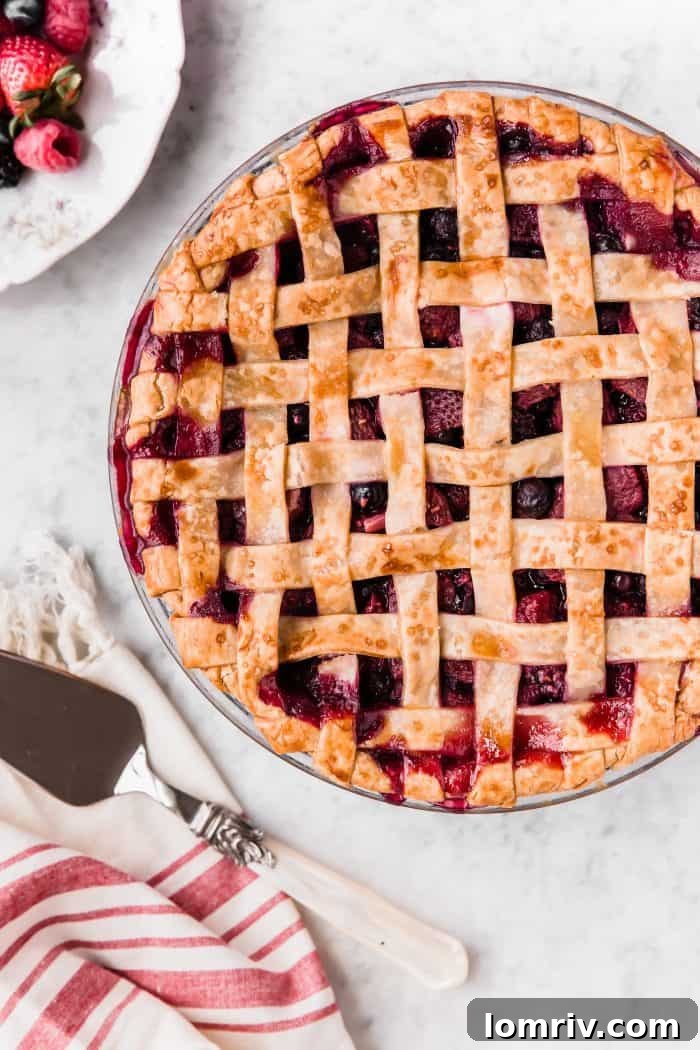
As the days grow shorter and the air turns crisp, there’s an undeniable warmth that comes from the kitchen. For many, this season signifies the official start of pie season – a time for comforting flavors, cherished traditions, and the irresistible aroma of freshly baked goods. From the sweet embrace of a classic apple pie to the rich indulgence of a chocolate cream pie, or the rustic charm of a pear apple pie lattice, pies hold a special place in our culinary hearts. But regardless of the filling, the true foundation of every exceptional pie lies in its crust. A truly outstanding pie is nothing without a tender, flaky, and buttery homemade crust.
Today, we’re embarking on a journey to demystify the art of making the perfect pie crust from scratch. Forget store-bought shortcuts; with a few simple techniques and the right ingredients, you’ll be creating stunning, delicious pie crusts that elevate any dessert or savory dish to a masterpiece. This comprehensive guide will equip you with all the knowledge you need to bake with confidence, ensuring a golden, flaky base every single time.
The Essential Foundation: Why Your Pie Crust Matters
The pie crust isn’t just a container for your filling; it’s an integral part of the pie’s overall experience. It contributes texture, flavor, and a satisfying crunch that beautifully complements the softer interior. A well-made crust is a testament to baking prowess, delivering layers of delicate flakiness that literally melt in your mouth. Without a perfectly executed crust, even the most exquisite filling can fall flat. That’s why dedicating time to mastering this fundamental skill is invaluable for any aspiring baker.
Butter, Shortening, or Both? Choosing Your Fat for the Best Pie Crust
When it comes to the fat component of pie crust, a lively debate often ensues among bakers. While some staunchly advocate for vegetable shortening, and others prefer a combination, my go-to choice, and the method we’ll focus on today, is an all-butter crust. I find that unsalted butter, with its superior flavor and melting properties, yields a crust that is incredibly light, wonderfully flaky, and boasts complex, rich layers that are simply unmatched.
However, it’s worth acknowledging the merits of other fats. Shortening, being 100% fat, creates a very tender and workable dough, often resulting in an incredibly crisp crust. Some bakers appreciate its neutral flavor profile, allowing the filling to shine entirely. A blend of butter and shortening offers a best-of-both-worlds scenario: the flavor of butter combined with the tenderness and ease of handling provided by shortening. While I typically avoid lard due to its distinct flavor, personal preference plays a significant role. The most important tip, regardless of your chosen fat, is to ensure it is ice-cold when you begin.
Simplifying the Process: The Food Processor Method for Easy Pie Dough
There are several traditional methods for making pie crust, including using a pastry blender or even your fingertips. While these methods yield excellent results, I highly recommend using a food processor for its efficiency and consistency. The food processor ensures that the cold butter is cut into the flour quickly and evenly, minimizing the handling time and preventing the butter from warming up. This precise control is key to achieving that desirable flaky texture.
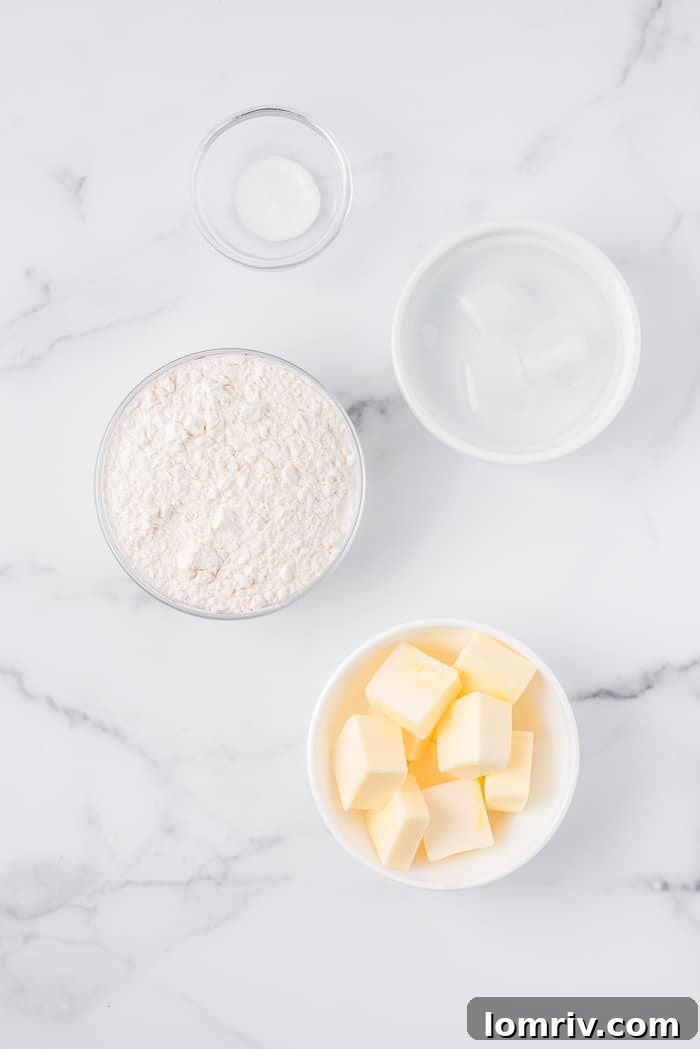
Before you even begin mixing, preparation is paramount. Gather all your ingredients: flour, sugar, salt, butter, and ice water. Measure them accurately and have them ready to go. The goal is to work quickly and efficiently, keeping everything as cold as possible throughout the process. This “mise en place” approach prevents the butter from reaching room temperature, which is a common pitfall in pie crust making.
Step-by-Step Guide to a Flaky Butter Pie Crust
1. Combining the Dry Ingredients
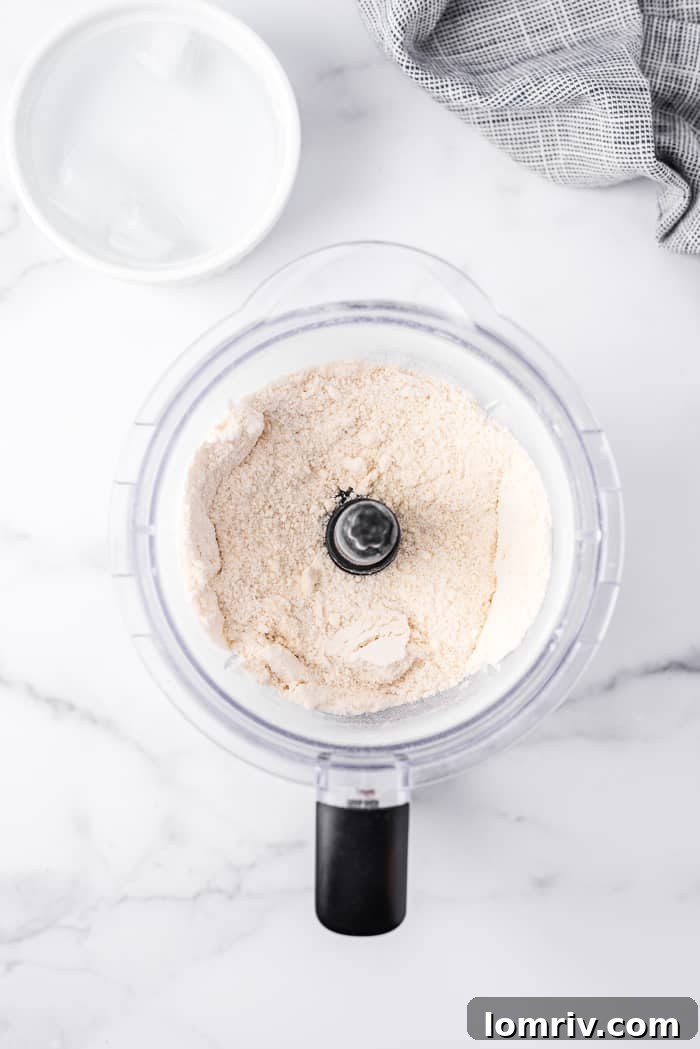
Start by combining the all-purpose flour, granulated sugar, and salt in the bowl of your food processor. Pulse a few times to ensure these dry ingredients are thoroughly mixed and the salt is evenly distributed. This is also an excellent opportunity to customize your crust. For a savory pie, consider adding a hint of freshly ground black pepper or dried herbs like thyme, as seen in my Strawberry Thyme Galette. For a sweet crust, a pinch of cinnamon or nutmeg can add wonderful depth of flavor.
2. Incorporating the Cold Butter (or Shortening)
Next, add about half of your very cold, cubed butter (or chilled vegetable shortening, if using) to the dry mixture. Pulse the food processor in short bursts until the butter is cut into the flour, forming coarse crumbs. Then, add the remaining cold butter and continue to pulse gently. The key here is not to over-process. You want distinct, pea-sized chunks of butter (and potentially some even larger pieces) remaining in the mixture. These pockets of butter are crucial; as they melt during baking, they release steam, creating those signature flaky layers we all love. Under-mixing at this stage is better than over-mixing!
3. The Magic of Ice-Cold Liquid: Water and Vodka
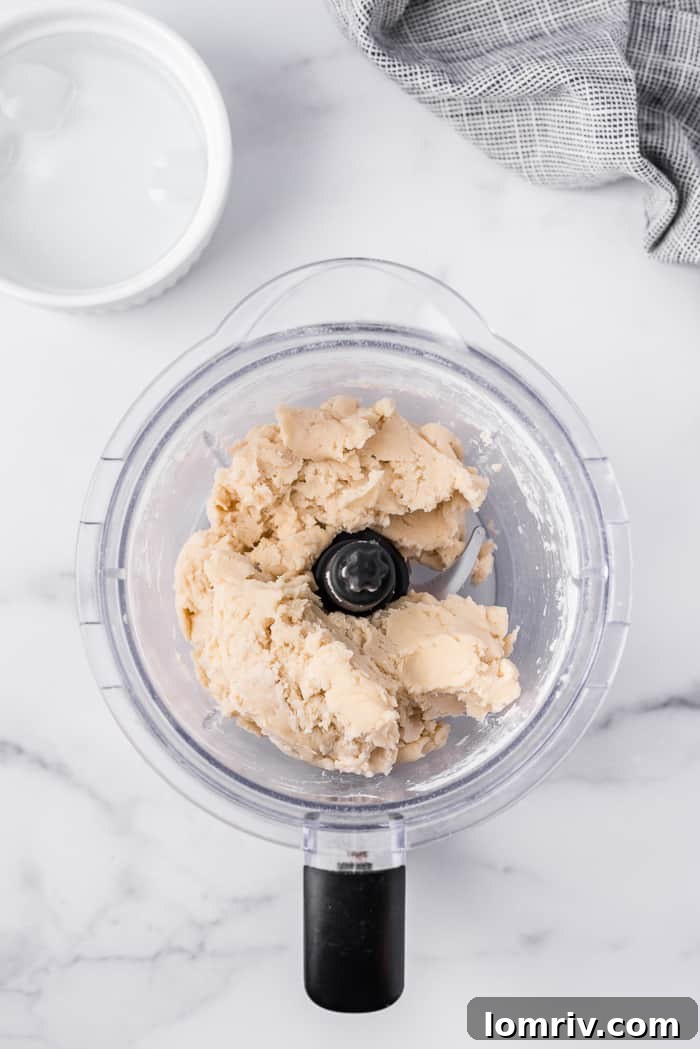
Now, it’s time for the liquid, and once again, temperature is everything. Our primary liquid is ice-cold water. I make it a habit to prepare my ice water well in advance, even placing the measuring cup in the fridge for a short period, to ensure it’s as cold as possible when needed. Cold water helps keep the butter solid and prevents over-development of gluten, which can lead to a tough crust.
Here’s a fantastic pro tip: consider adding a tablespoon or two of ice-cold vodka in place of some of the water. Vodka, being mostly alcohol, does not contribute to gluten development in the same way water does. This results in a remarkably tender crust that is also incredibly easy to roll out without tearing. Don’t worry, the alcohol bakes out completely, leaving no lingering taste, just a more forgiving and delightful dough.
4. Bringing the Dough Together: Handle with Care
Adding the liquid is the most delicate part when using a food processor, as it’s easy to over-process. Add the ice water (and/or vodka) one tablespoon at a time, pulsing briefly after each addition. You’re looking for the dough to just start coming together in shaggy clumps. It shouldn’t form a smooth ball in the processor. Stop as soon as you see large clumps forming and the mixture begins to look cohesive.
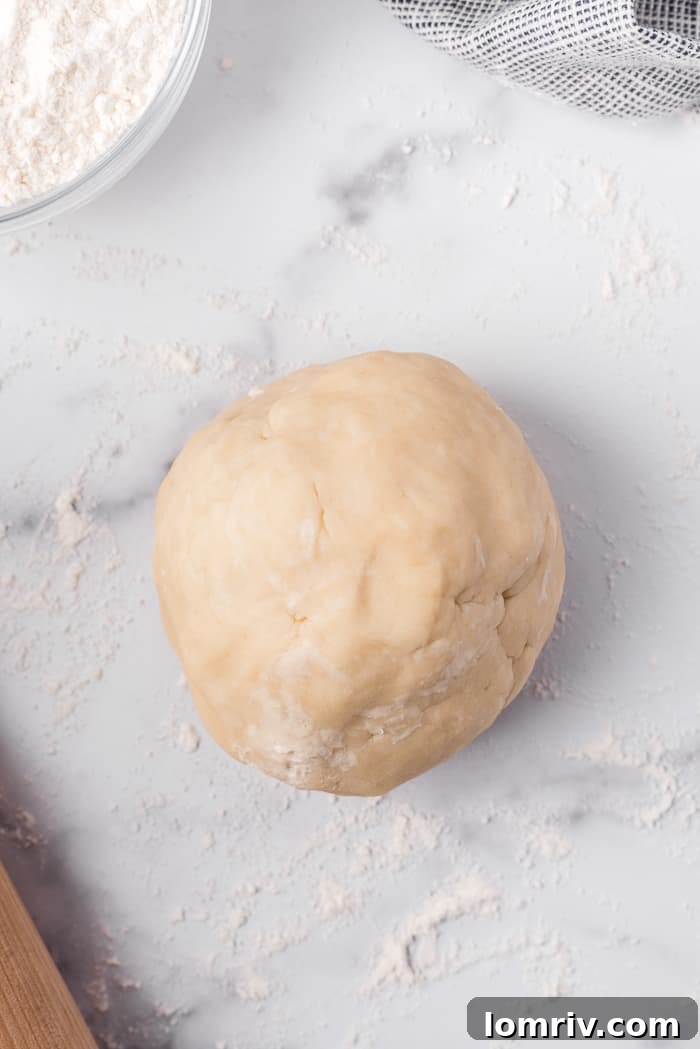
Carefully transfer the dough mixture from the food processor to a lightly floured surface. Use your hands to quickly gather the dough into a ball, gently pressing it together. Avoid kneading or overworking the dough, as this will develop too much gluten and make your crust tough. Divide the dough into two equal disks (for a double-crust pie) or one larger disk (for a single-crust pie). Wrap each disk tightly in plastic wrap and chill in the refrigerator for at least one hour, or preferably overnight. Chilling is essential; it allows the flour to fully hydrate, the butter to firm up again, and the gluten to relax, making the dough much easier to roll out.
Rolling Out Your Homemade Pie Dough Like a Pro
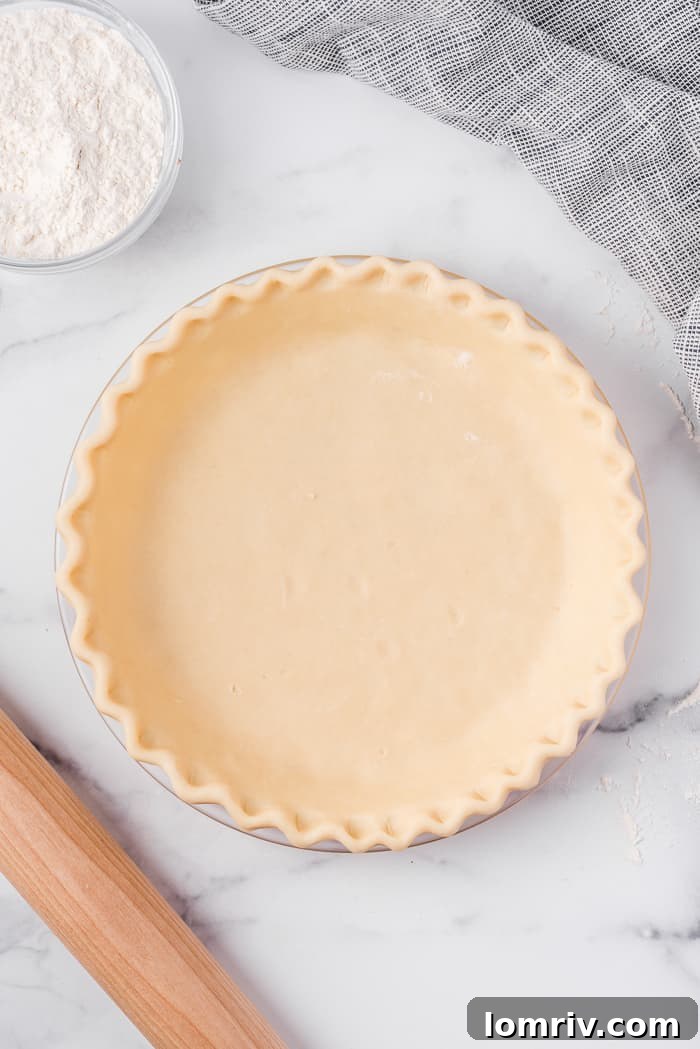
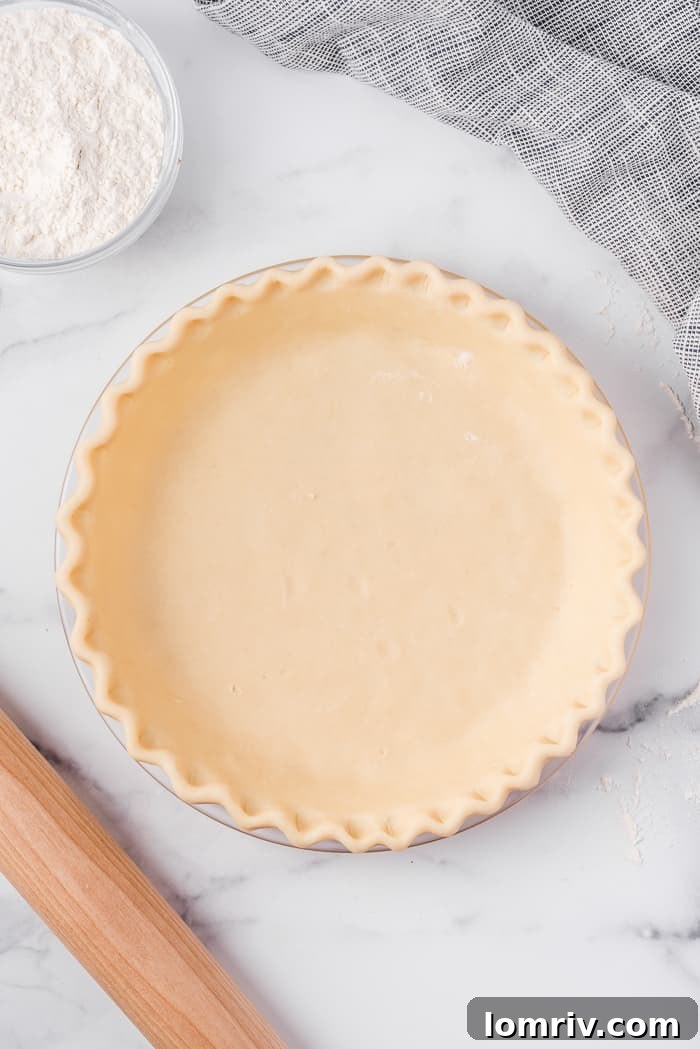
Once chilled, your pie dough is ready to be transformed. Lightly flour your work surface and rolling pin. Take one disk of dough and begin rolling from the center outwards, rotating the dough frequently to prevent sticking and ensure an even circle. If the edges start to crack, gently press them back together. Aim for a 12-inch circle for a standard 9-inch pie dish, about 1/8 to 1/4 inch thick. Carefully transfer the rolled-out dough to your pie dish, easing it into the corners without stretching. Trim the edges and crimp or flute as desired.
Storage, Make-Ahead Tips, and Troubleshooting Your Pie Crust
Homemade pie dough is incredibly versatile. You can make it up to 3 days in advance and store it, tightly wrapped, in the refrigerator. For longer storage, tightly wrapped disks can be frozen for up to 3 months. Thaw frozen dough overnight in the refrigerator before rolling.
Common Troubleshooting Tips:
- Tough Crust: This usually means the dough was overworked or too much water was added, developing too much gluten. Remember to handle minimally.
- Crumbly Dough: Not enough liquid. Add a tiny bit more ice water (half a tablespoon at a time) if the dough is too dry to come together.
- Soggy Bottom: Often caused by overly wet fillings or not blind-baking the crust when necessary. For very wet fillings, consider blind-baking your crust first.
- Shrinking Crust: Insufficient chilling. Ensure your dough is well-chilled before rolling and baking to help it hold its shape.
The beauty of this simple, easy, and efficient method is that you can have a tender, buttery, and flaky homemade pie crust ready in less than 10 minutes of active preparation. How you proceed with your crust – whether you par-bake it, fully bake it, or leave it unbaked – depends entirely on your specific pie recipe. Always follow your recipe’s instructions for the best results.
So, as you prepare for the festive season or simply crave a comforting treat, remember that a truly memorable pie begins with a perfect homemade crust. Happy baking!
Pie Crust Recipe
Yield: 1 double-crusted pie
Ingredients
- FOR PIE CRUST:
- 2 ½ cups all-purpose flour
- 1 teaspoon granulated sugar
- 1 ¼ teaspoons salt
- 6 tablespoons unsalted butter, cold and cubed
- ¾ cup vegetable shortening, chilled (optional, for a flakier and tenderer crust)
- OPTIONAL ADDITIONS:
- 1/2 teaspoon black pepper (for a savory pie)
- 1/2 teaspoon ground cinnamon (for a sweet pie)
- 1/4 cup freeze-dried fruit of choice (strawberry, mango, raspberries etc., pulsed with dry ingredients for flavor)
Instructions
1. Prepare ½ cup ice-cold water and keep it in the fridge (or add a few ice cubes to it). If using, also chill your vegetable shortening.
2. In a food processor, combine the flour, sugar, and salt. Pulse a few times to ensure they are well mixed. If adding optional spices or freeze-dried fruit, add them now and pulse to combine.
3. Add the cold, cubed butter to the dry ingredients. Pulse for about 30 seconds until the mixture resembles coarse meal with some pea-sized pieces of butter remaining. If using shortening, add it now and pulse until the mixture looks like a coarse meal with visible small chunks of fat.
4. Sprinkle about 6 tablespoons of the ice-cold water (or a mix of water and vodka) over the mixture. Pulse in short bursts until the dough just begins to come together in large clumps. Be careful not to over-process. If the dough appears too dry, add more cold water, one tablespoon at a time, pulsing briefly after each addition, until it just comes together.
5. Remove the dough from the food processor and transfer it to a lightly floured surface. Gently bring the dough together with your hands, pressing it into a cohesive ball without kneading. Divide the dough into two equal disks (for a double-crusted pie) or one larger disk (for a single-crusted pie). Flatten each disk slightly, wrap tightly in plastic wrap, and chill in the refrigerator for at least an hour, or ideally overnight (up to 3 days). Chilling is crucial for flavor development, hydration, and ease of rolling.
6. When you are ready to bake your pie, preheat your oven to 400 degrees F (200 degrees C). On a lightly floured surface, roll out one chilled dough disk into a 12-inch circle, approximately 1/8 to 1/4 inch thick. Carefully transfer the rolled dough to a 9×2-inch pie dish. Gently press the dough into the sides and bottom of the dish, trimming any excess overhang. Chill the prepared pie crust in the refrigerator for at least 30 minutes before filling and baking as per your recipe’s instructions.
Making this Recipe?
Share it with us on Instagram using #aclassictwist so we can see what you are baking up in your kitchen!