How to Decorate a Sheet Cake: Master the Art of Buttercream Piping
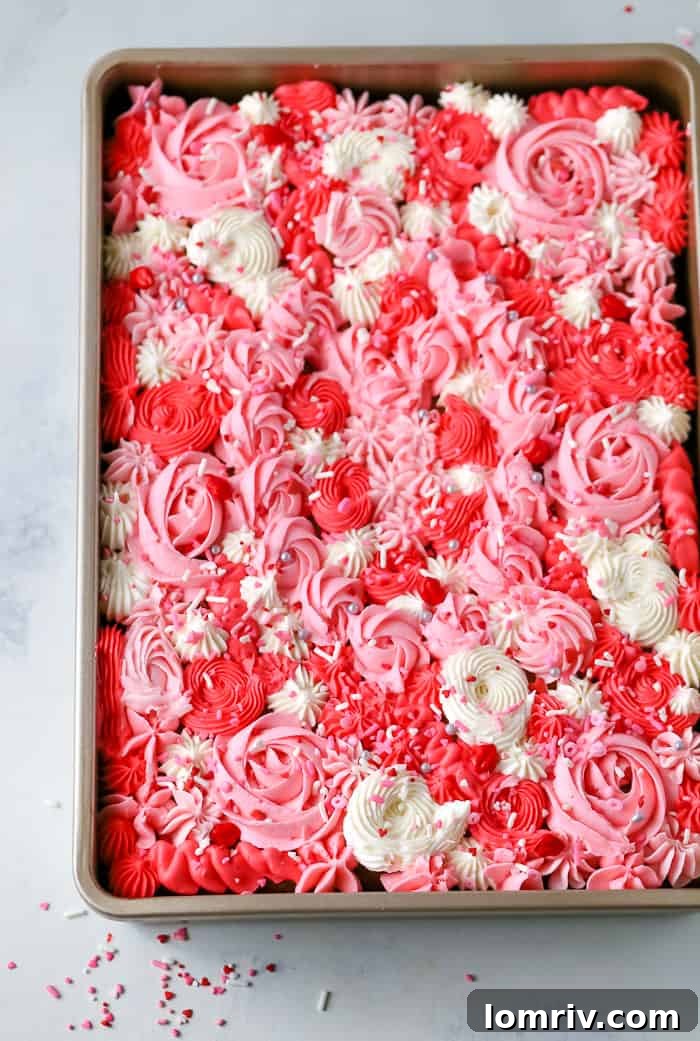
Welcome, fellow baking enthusiasts! Are you ready to transform a simple sheet cake into a stunning centerpiece that will impress everyone? Today, we’re diving into the delightful world of decorated sheet cakes, a trend that has swept through social media and made cake decorating more accessible and fun than ever. This comprehensive guide, complete with step-by-step instructions and inspiring images, will show you exactly how to decorate a sheet cake with elegant buttercream designs, perfect for any celebration – from birthdays to holidays like Valentine’s Day.
Embracing the Decorated Sheet Cake Trend
Cakes are more than just desserts; they are edible canvases for celebration. While classic tiered cakes have their place, the versatility and understated elegance of a sheet cake make it a fantastic choice for gatherings of all sizes. For years, sheet cakes were often associated with simple, store-bought designs. However, a captivating new trend has emerged, elevating the humble sheet cake to an art form through intricate and vibrant buttercream piping across its entire surface.
This trend has gained immense popularity, especially on platforms like Instagram and Pinterest, for its charming aesthetic and the creative freedom it offers. Unlike traditional sheet cakes, which might feature only borders or limited designs, these decorated sheet cakes are adorned from edge to edge with various piping techniques, colors, and textures. It’s a wonderful way to showcase your personal style and add a truly custom touch to your dessert.
I’m always keen to explore cake trends that combine beauty with manageability. A few years ago, I enjoyed showing you how to make a number cake, a hit for my niece’s birthday, which led to a charming letter cake for my son. This year, the allure of the decorated sheet cake was irresistible. What I love most about this particular trend is its inherent simplicity. You don’t need a culinary degree or years of experience to create something beautiful. It’s incredibly forgiving, making it ideal for both beginners and experienced decorators looking for a fresh, engaging project. If you can handle a piping bag, you’re already halfway there!
Why Choose a Sheet Cake for Your Next Celebration?
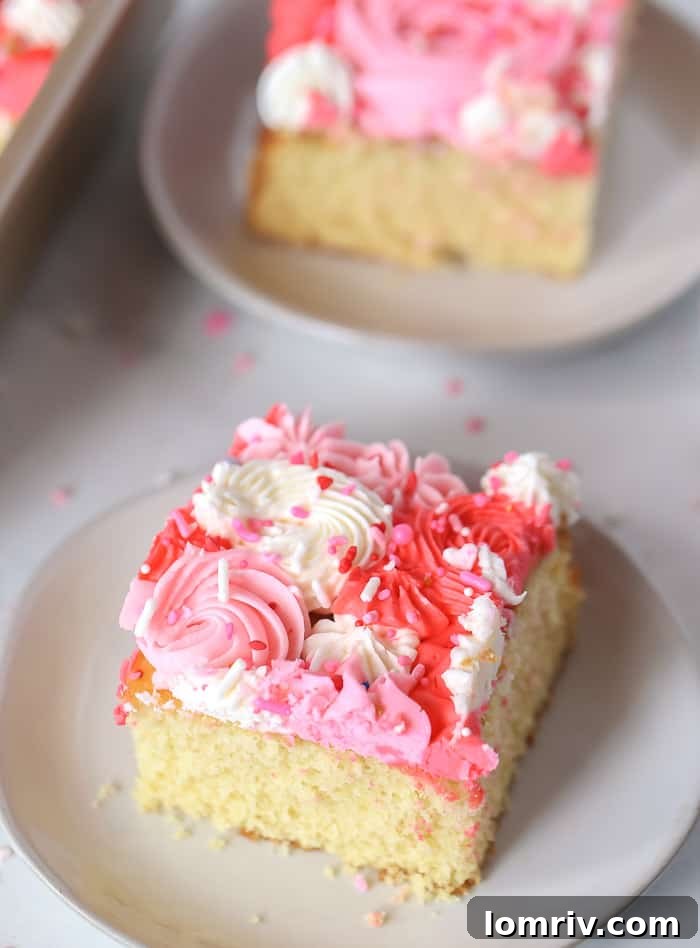
Sheet cakes offer numerous advantages beyond their decorating potential. They are:
- **Practical for Crowds:** Easily serve a large number of guests without the fuss of cutting individual slices from a round cake.
- **Easy to Transport:** Their flat surface makes them more stable and less prone to damage during transportation compared to multi-tiered cakes.
- **Versatile Canvas:** The large, flat surface provides ample space for creative designs, intricate patterns, and personalized messages.
- **Cost-Effective:** Often more economical to bake and decorate than elaborate custom cakes, making them perfect for budget-conscious celebrations.
This decorating style is all about embracing joy and creativity without the stress. It aligns perfectly with my personal baking philosophy, which favors simple yet elegant creations, much like my white chocolate rose cake. The beauty truly lies in the details you pipe, and with a few basic tools and techniques, you can achieve stunning results. Let’s dive into the specifics of how to decorate a sheet cake from scratch.
Step-by-Step Guide to Decorating Your Sheet Cake
Step 1: Bake Your Perfect Sheet Cake Base
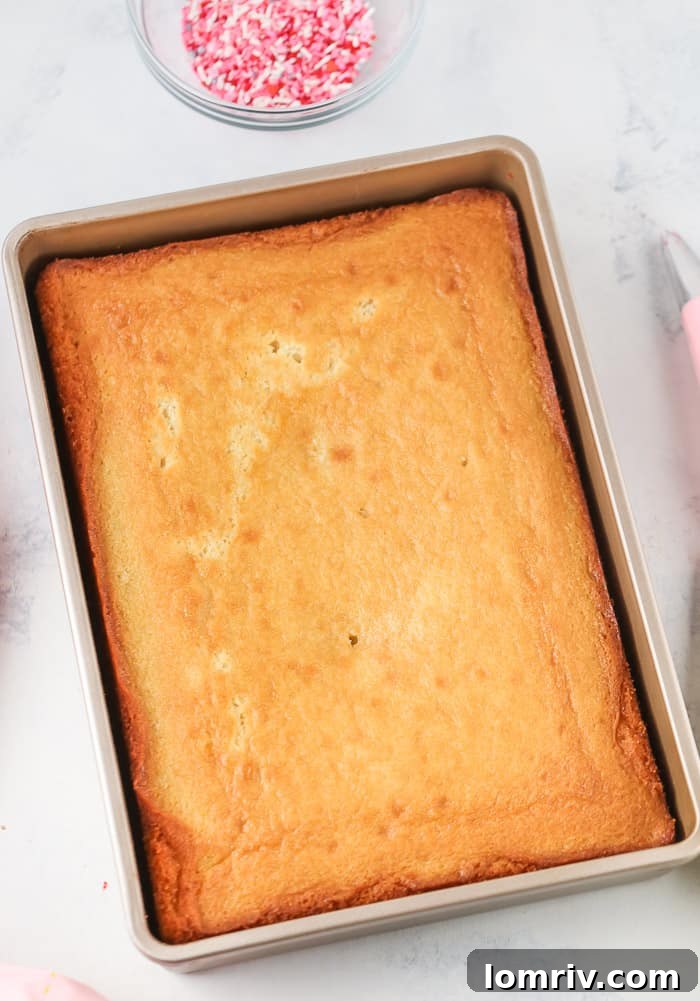
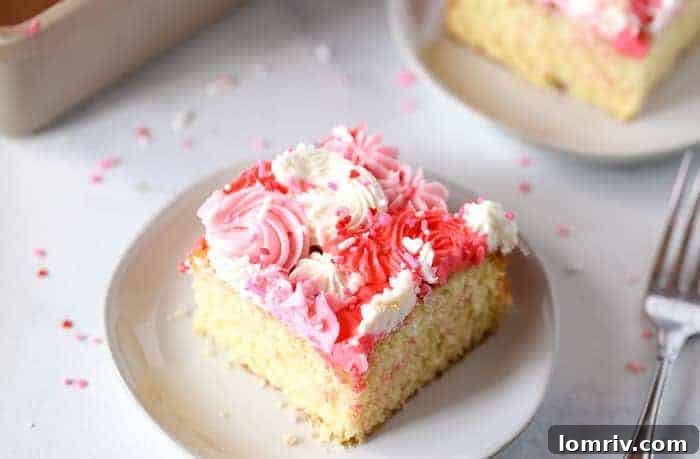
The foundation of any great decorated sheet cake is, of course, a delicious and sturdy cake. While you can certainly use your go-to recipe, a robust cake that can hold up to decorating is key. I’ve shared a fantastic recipe for a classic yellow birthday cake below that is consistently moist and tender – a true winner! Feel free to use this recipe or choose your favorite, whether it’s a rich chocolate cake, a fragrant vanilla, or a delightful coconut creation. The most important aspect is to bake it in the correct pan size for your desired decorated sheet cake. A 9×13 inch pan is a popular choice, offering a generous surface for your artistic endeavors. Ensure your cake is completely cooled before you even think about frosting, as warm cake will melt your beautiful buttercream designs.
Step 2: Prepare Your Ideal Buttercream Frosting
Buttercream is the star of this decorating trend, so choosing the right recipe and achieving the perfect consistency is paramount. Below, you’ll find my recipe for whipped vanilla buttercream, which is wonderfully fluffy and holds its shape beautifully for piping. If you opt for your own buttercream recipe, ensure it’s firm enough to maintain definition when piped but still soft enough to flow smoothly through your decorating bag. American buttercream, with its butter and powdered sugar base, is often preferred for intricate piping due to its stability. If your buttercream is too soft, add a little more powdered sugar; if it’s too stiff, a tiny bit of milk or cream can help achieve the ideal texture. Consistency is crucial for clean, sharp designs.
Step 3: Color Your Buttercream with Creativity
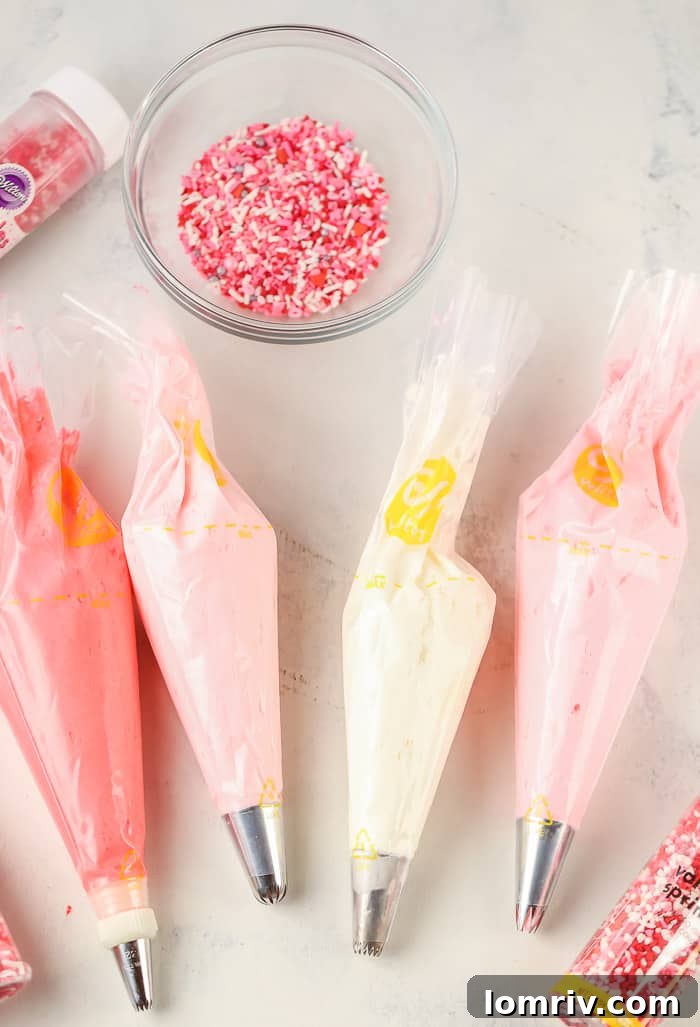
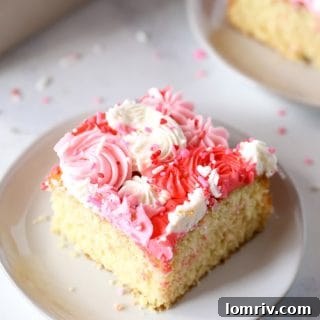
Now comes the fun part: adding color! Decide on the aesthetic you envision for your sheet cake. For the Valentine’s Day example shown here, I chose a lovely palette of three colors: dark pink, light pink, and white. I highly recommend selecting a color palette of 3-4 complementary shades. This ensures visual harmony and prevents your cake from looking too busy. Gel food colorings are usually the best choice as they provide vibrant, concentrated colors without thinning out your buttercream. Add color gradually with a toothpick, mixing thoroughly after each addition, until you achieve your desired hue. Remember, you can always add more color, but you can’t take it away!
Step 4: Select Your Decorating Tips and Bags
Your choice of decorating tips will dictate the patterns and textures on your cake. This is where your creativity truly shines! What kind of designs do you want to create? Rosettes, stars, swirls, ruffles, or simple dots? Each tip offers unique possibilities. My personal favorites for this trend include Wilton tips 1M (for gorgeous rosettes and starbursts), Tip 104 (for delicate petals and ruffles), and Tip 21 (for classic stars and borders). Investing in a basic set of piping tips is a great start, or you can pick up individual tips that catch your eye. Once you’ve made your selection, fit your decorating bags with the chosen tips. If you plan to switch tips on the same color of buttercream, a coupler set is a worthwhile investment. Now you’re fully equipped and ready to bring your vision to life!
Step 5: Pipe Buttercream Over Your Sheet Cake
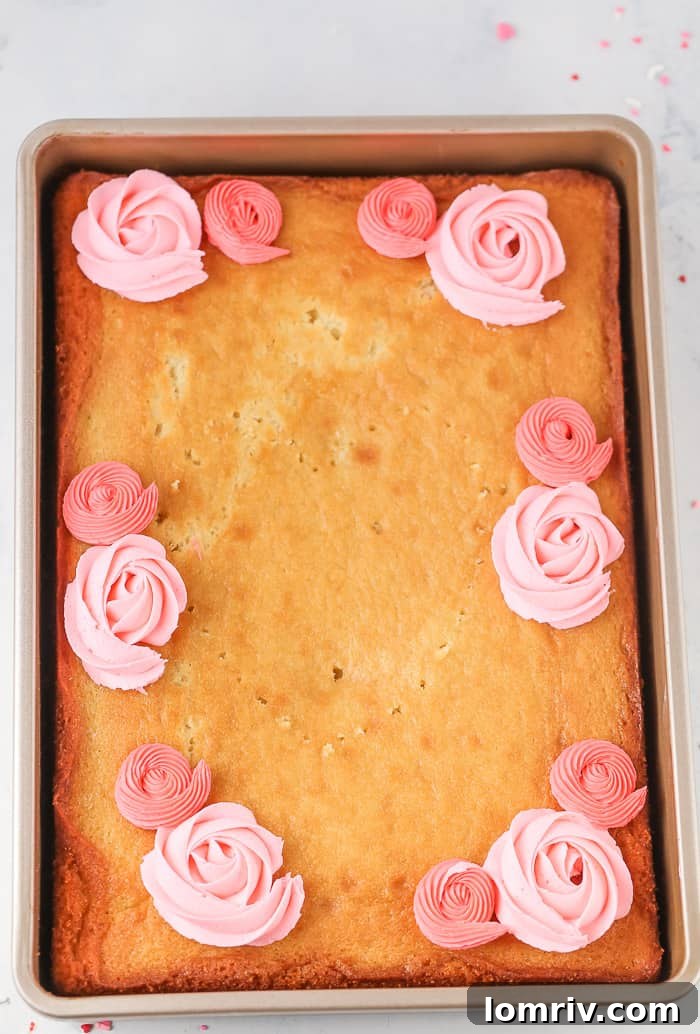
This is the moment you’ve been waiting for! Before you start, it can be helpful to visualize your design or even lightly sketch a guide directly onto your cake with a toothpick, especially if you’re incorporating specific shapes like the heart in my Valentine’s Day example. If you’re doing freehand, don’t stress – the beauty of this trend is its forgiving nature!
Here’s a general approach:
- **Start with an outline or central element:** If you have a primary shape or pattern, begin by piping its outline. For the heart design, trace it with a toothpick first, then pipe along the trace.
- **Work in sections:** Don’t try to complete the entire cake at once with one color. Instead, focus on a particular design element or color and place it in different areas of the cake to establish balance.
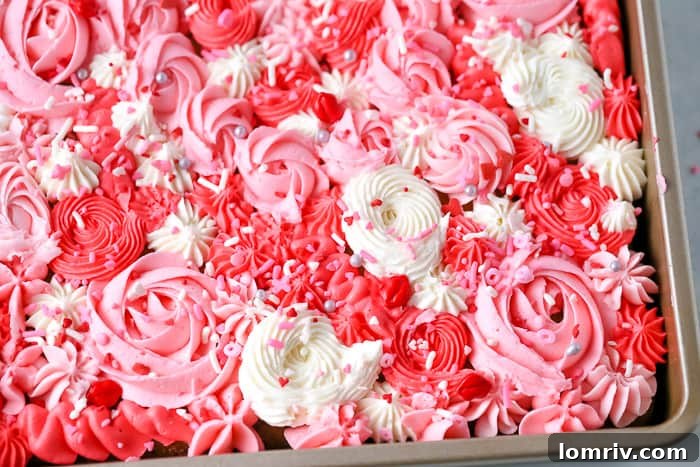
- **Vary your techniques:** Use different tips to create a variety of textures and shapes – rosettes, swirls, stars, dots, lines. This adds depth and visual interest to your cake.
- **Layer and fill:** Once the main elements are piped, go back and fill in any gaps with smaller designs or contrasting colors. This creates a rich, full look.
- **Step back and assess:** Periodically take a step back from your cake to observe the overall balance and spacing of colors and designs. This allows you to make adjustments as you go, ensuring a harmonious final product.
Remember, there’s no single “right” way to decorate. This trend celebrates unique patterns and vibrant colors. Experiment with pressure, angle, and movement of your piping bag. The more you pipe, the more confident you’ll become! You truly can’t go wrong when combining beautiful colors with diverse designs.
Tips for Success and Troubleshooting
- **Practice makes perfect:** If you’re new to piping, try practicing on a piece of parchment paper first. You can scrape the buttercream back into the bag and reuse it.
- **Keep your buttercream cool:** If your kitchen is warm, your buttercream might soften. Chill it for a few minutes if it becomes too runny to pipe cleanly.
- **Don’t overfill piping bags:** Fill bags about two-thirds full to ensure easier handling and better control.
- **Correcting mistakes:** Don’t be afraid to gently scrape off a design you don’t like and re-pipe it. The forgiving nature of this trend is a major advantage!
- **Add finishing touches:** Once your piping is complete, consider adding sprinkles, edible glitter, or small candies to give your sheet cake an extra spark and dimension.
Conclusion: Your Masterpiece Awaits!
There you have it – a comprehensive guide on how to decorate a sheet cake that is both stunning and achievable. This delightful trend allows for endless creativity and is a fantastic way to personalize your celebrations. Whether you’re making a special Valentine’s Day Sheet Cake or a custom design for a birthday, anniversary, or any joyful occasion, the process is incredibly rewarding. I truly hope you feel inspired to give this fun trend a try!
Don’t hesitate to experiment with colors, tips, and designs. The most important ingredient is your enthusiasm. Bake with love, decorate with joy, and share your delicious creations!
How to Decorate A Sheet Cake
A classic buttermilk yellow cake that is moist and tender is decorated with fluffy buttercream in this sheet cake.
45 minutes
30 minutes
1 hour 15 minutes
Ingredients
For the Vanilla Cake:
- 2 1/4 cups all-purpose flour
- 2 teaspoons baking powder
- 1 teaspoon baking soda
- 1 teaspoon salt
- ½ cup (1 stick) unsalted butter, at room temperature
- 1 1/4 cup granulated sugar
- 3 large eggs, at room temperature
- 1 teaspoon vanilla extract
- ¼ teaspoon pure almond extract
- 1 1/4 cup whole milk, at room temperature
For the Buttercream:
- 1 1/2 cups (3 sticks) unsalted butter, softened at room temperature
- 1/2 teaspoon salt
- 4 cups powdered sugar
- 1 teaspoon vanilla extract
- 2-3 tablespoons heavy cream
Instructions
- Preheat oven to 350 degrees F. Grease a 9 x 13-inch cake pan with baking spray or butter and flour.
- In a large bowl, whisk together the flour, baking powder, baking soda, and salt.
- In another large bowl, using a stand mixer with the paddle attachment, cream together the butter and sugar until light and fluffy, about 3 to 5 minutes on medium to high speed.
- Add in the eggs, one at a time, mixing until just combined after each addition. Scrape down the sides of the bowl as needed. Beat in the vanilla and almond extract.
- Reduce the speed to low. Add in the dry ingredients all at once and mix until just combined.
- Add in the milk all at once and beat on low until just combined.
- Increase speed to medium-high and mix the batter for about 3 minutes.
- Transfer batter to prepared pan.
- Bake for 25-30 minutes or until a cake tester inserted into the center comes out clean or with a few crumbs.
- Remove from oven and let cool completely in pan before frosting.
For the Frosting:
- In the bowl of your stand mixer fitted with the paddle attachment, beat the butter on medium speed until light and fluffy, about 5 minutes.
- Add in the rest of the ingredients and mix on low until combined. Increase speed to medium-high and beat until fluffy, about 5-6 minutes.
- Divide frosting into three equal parts. Color two parts pink color of your choice. Leave the third part white.
- Grab your favorite decorating tips (I used Wilton tips 1M, tip 4B, tip 199, tip 104 and tip 21), and pipe out rosettes, swirls and stars. You can design the cake with whatever shapes you like. Have fun with the possibilities.
- For the heart in the middle, trace out the heart shape with a toothpick, and then pipe out the shape before filling in the rest of the cake surface.
Notes
Vanilla Cake adapted from Joy The Baker
Recommended Products
As an Amazon Associate and member of other affiliate programs, I earn from qualifying purchases.
- Wilton Decorating Piping Tip Set, 22 Piece
- Wilton Valentine’s Day Sprinkles Decorating Set, 4-Piece
- OXO Good Grips Non-Stick Pro Cake Pan 9 x 13 Inch
Making this Recipe?
Share it with us on Instagram using #aclassictwist so we can see what you are baking up in your kitchen!