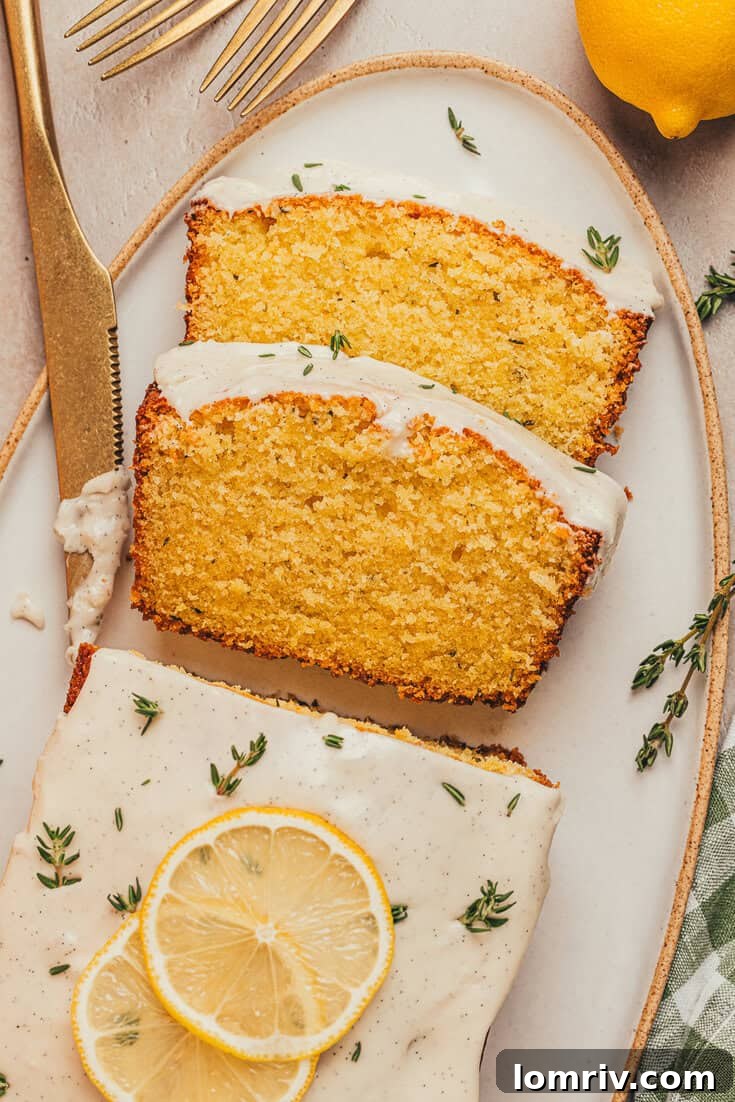
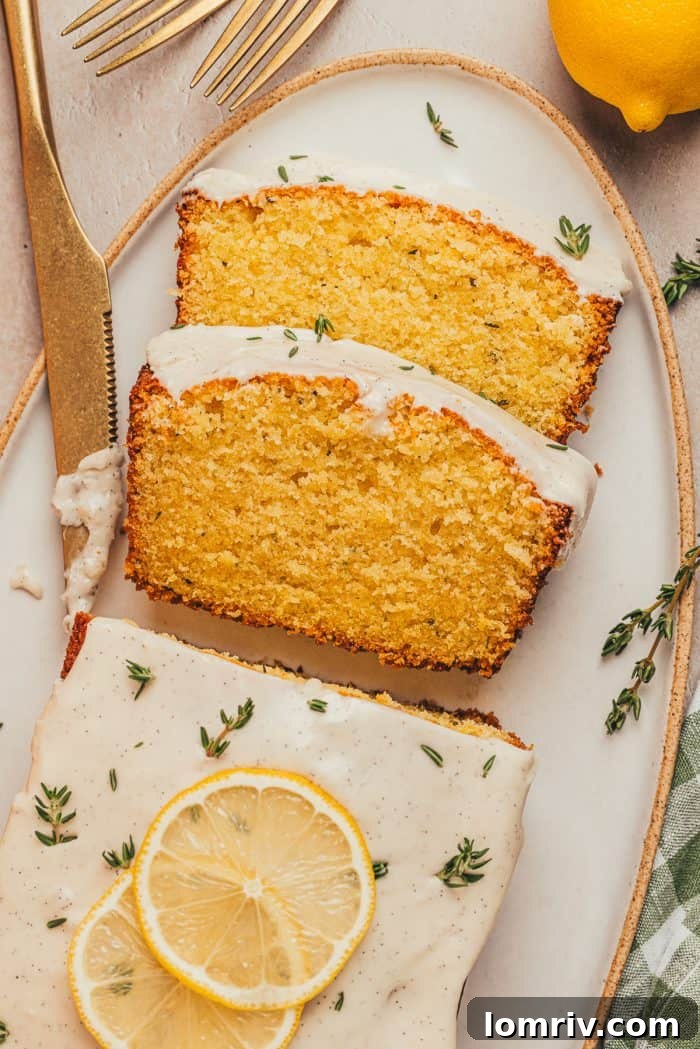
Step into a world of exquisite flavors with this remarkable Lemon Thyme Loaf Cake with Vanilla Bean Glaze. Far from your ordinary lemon pound cake, this recipe introduces a delightful, fragrant twist that promises to tantalize your taste buds. Imagine a dense, buttery crumb, bursting with zesty lemon, infused with the subtle, herbaceous notes of fresh thyme, and finished with a comforting touch of vanilla bean. All this deliciousness comes together with just 15 minutes of active prep time, making it an accessible yet gourmet treat for any home baker.
Once baked to golden perfection, this elegant loaf is lavishly drizzled with a thick, creamy glaze, speckled with genuine vanilla bean. The visual appeal alone is enough to make mouths water, but the harmonious blend of bright citrus, earthy herbs, and sweet vanilla is truly unforgettable. Whether you serve this homemade lemon thyme cake alongside your morning coffee, as an elegant afternoon tea companion, or as a show-stopping dessert, it’s guaranteed to become a new favorite in your baking repertoire.

Elevating the Classic: Why Thyme is the Secret Ingredient
For those who cherish the timeless appeal of lemon pound cake, prepare to embark on a culinary adventure that reimagines this beloved classic. The subtle inclusion of fresh thyme leaves introduces a sophisticated, gently fragrant dimension, transforming a familiar comfort food into something truly special. This isn’t just about adding another ingredient; it’s about creating a complex flavor profile that excites and surprises.
The bright, tangy essence of lemon remains at the heart of this loaf, but it finds a beautiful counterpart in the earthy, slightly peppery, and undeniably aromatic notes of thyme. This clever pairing doesn’t just complement the lemon; it amplifies it, making the citrus flavor truly pop and creating a more balanced, nuanced taste experience. The result is a cake that feels both comforting and wonderfully fresh, a delightful balance of sweet and savory undertones.

Perhaps you’ve only considered herbs like thyme for savory dishes, garnishing roasted vegetables or enhancing a hearty stew. However, the world of baking holds endless possibilities for unexpected flavor combinations. Experimenting with fresh herbs in sweet recipes can be a truly eye-opening experience. I’ve previously explored this concept with great success, such as in my Savory Gruyère & Thyme Scones and Cheddar Biscuits with Thyme and Sage Butter. But it was the revelation of this Blueberry Thyme Galette that truly blew my mind, proving that herbs can create an unforgettable harmony with sweet fruits and baked goods. Don’t shy away from having some fun and getting creative by incorporating fresh thyme into your sweet and savory baking adventures.

Effortless Elegance: Quick Prep for Busy Lives
One of the most appealing aspects of this easy lemon pound cake recipe is its minimal prep time. With just about 15 minutes of hands-on effort, you can prepare the batter for this delightful loaf. As a busy mom of two, I understand the challenge of finding ample time for elaborate recipes, even with a deep passion for baking. This recipe perfectly balances the desire to create something thoughtful and delicious for my family without sacrificing precious time.
There’s a unique satisfaction that comes from baking a homemade treat, and the added thyme twist was met with enthusiastic approval from everyone in my household. Who, after all, could resist a slice of tender, buttery lemon pound cake, especially when it’s infused with such a captivating herbal aroma? This recipe allows you to bring a touch of gourmet sophistication to your table with surprisingly little fuss, making it ideal for weeknight baking or last-minute entertaining.
Explore More Pound Cake Delights
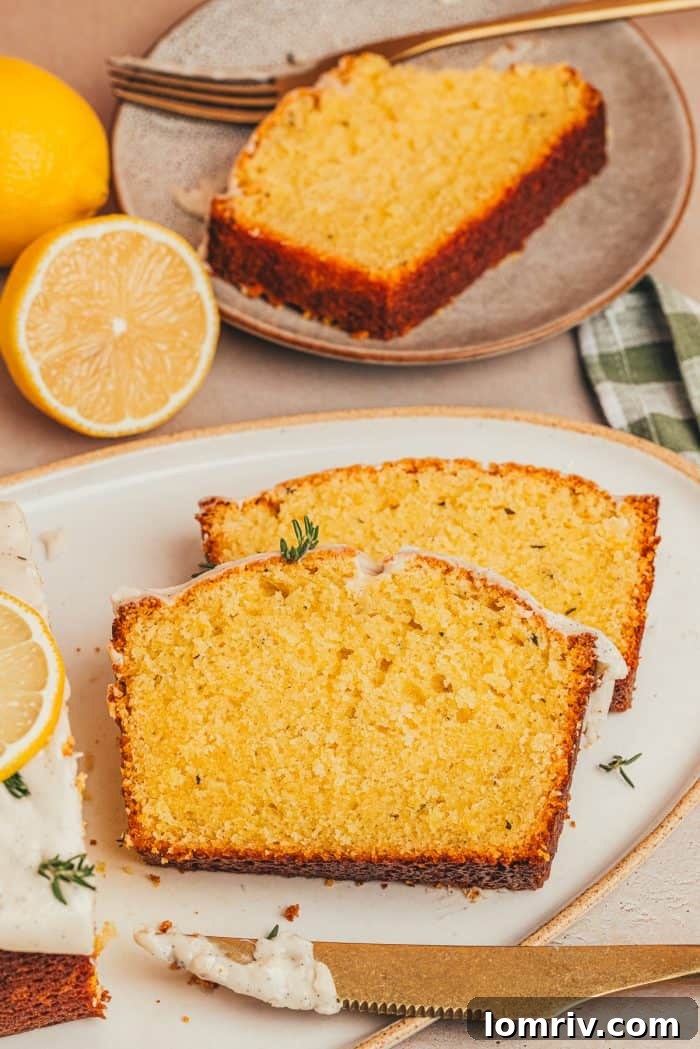
If you find yourself enchanted by the charm of this fragrant loaf cake, I heartily recommend exploring some of the other pound cake recipes I’ve shared on the blog. After all, when it comes to pound cake, there’s no such thing as having too many variations to choose from! Each offers a unique flavor profile, perfect for satisfying diverse cravings and occasions:
- Meyer Lemon Pound Cake: A delightful twist with the sweeter, less acidic Meyer lemons, offering a nuanced citrus experience.
- Fonio Pound Cake with Hibiscus Glaze: An intriguing, gluten-friendly option featuring an ancient grain and a vibrant floral glaze.
- Orange Pound Cake with Orange Juice Glaze: For those who prefer the sweet, sunny notes of orange, a truly refreshing take.
- Vanilla Pound Cake: A foundational classic, rich and comforting, perfect for any occasion or to pair with fresh berries.
- Raspberry Lemonade Pound Cake: A summery delight combining tart raspberries with bright lemon for a truly refreshing treat.
The Secret to a Luscious Vanilla Bean Glaze
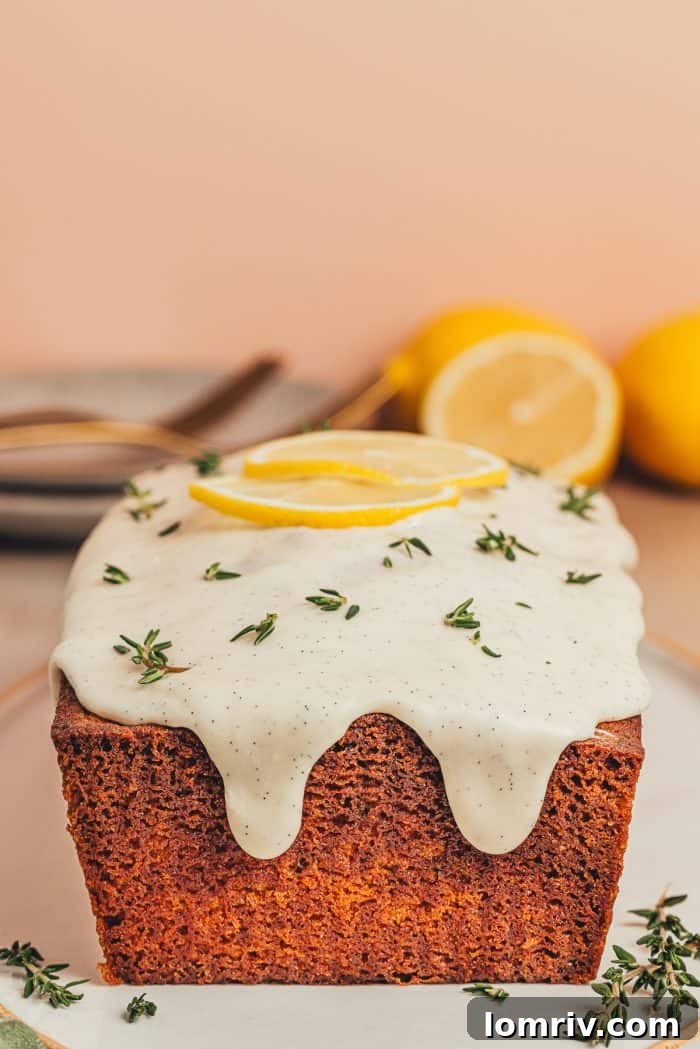
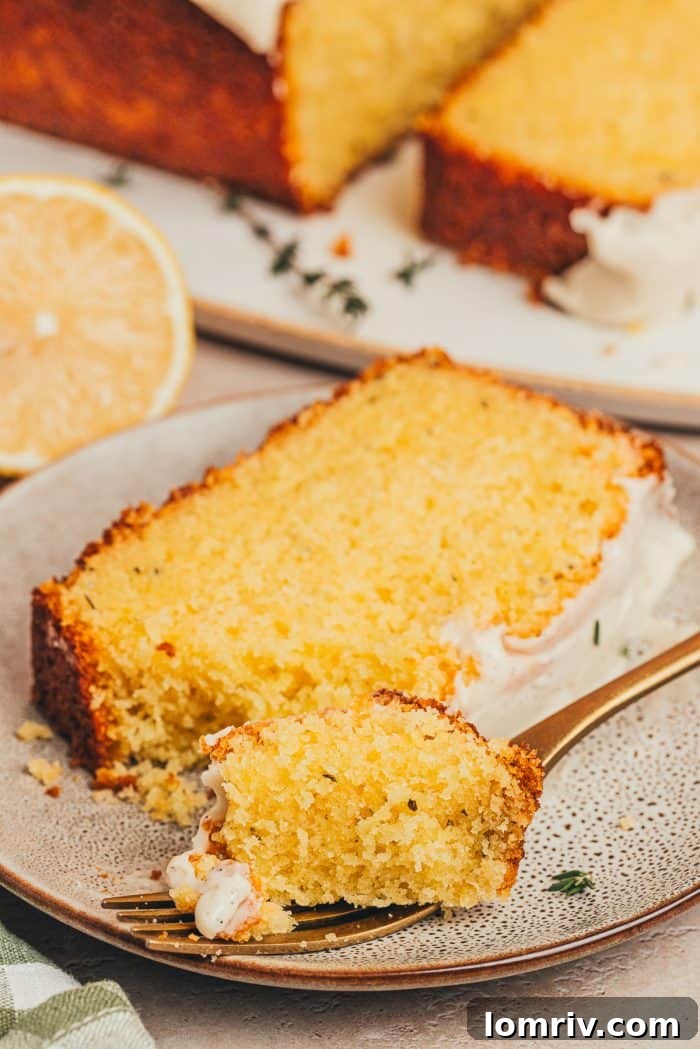
No pound cake is truly complete without the perfect glaze, and this vanilla bean glaze is a showstopper. You know I love to infuse my recipes with little twists whenever possible, and one of my favorite upgrades is using vanilla bean paste instead of plain vanilla extract. This isn’t just about a subtle flavor difference; it’s about an elevated sensory experience. The result is an icing that is not only luxuriously thick and creamy, dripping perfectly over the sides of the loaf, but also beautifully flecked with tiny specks of real vanilla bean. These delightful flecks add a gourmet touch and deliver an unparalleled depth of rich vanilla flavor that truly sets this cake apart.
Customize Your Citrus Punch
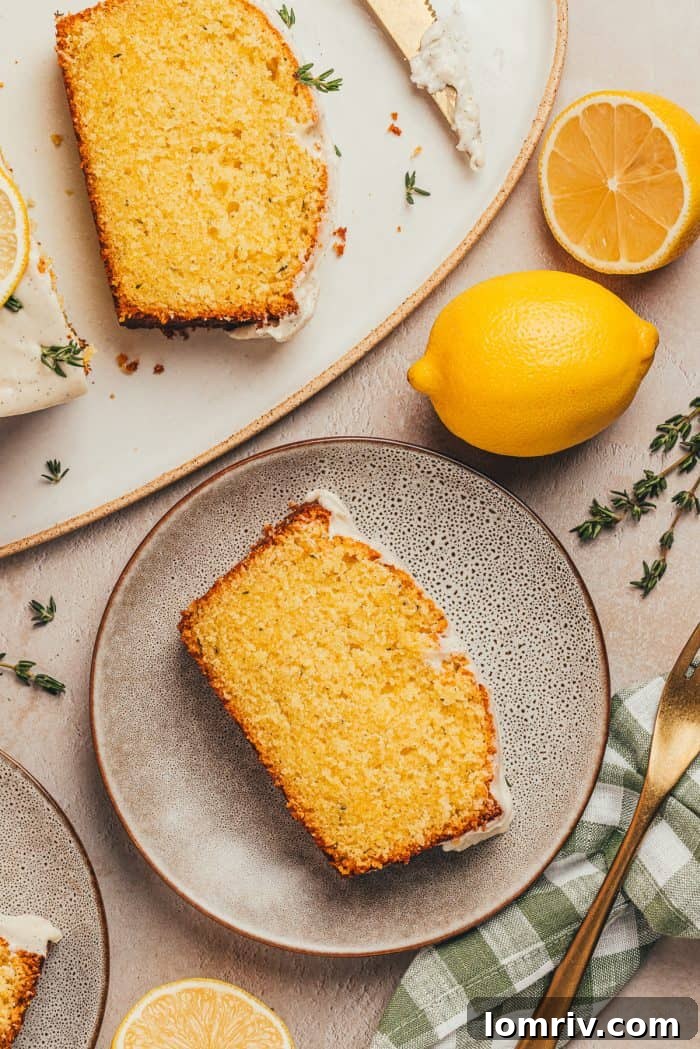
For those who adore an extra burst of citrus, consider dialing up the lemon flavor in the glaze. Adding one to two tablespoons of extra fresh lemon juice to the icing mixture will give it a delightful, zesty punch. Remember, lemon juice is potent, so adjust to your preference. If the icing becomes too thin from the added juice, simply whisk in a splash of heavy cream to bring it back to that ideal thick, pourable consistency. It’s important to note that I don’t recommend adding more lemon juice directly to the cake batter. Too much liquid in the batter can alter the cake’s delicate structure, making the loaf dense or overly wet, rather than tender and moist.
Baking Tips for the Perfect Loaf
Yogurt Choice Matters
If your refrigerator, like mine, is often stocked with Greek yogurt, you’re in luck! You can certainly use full-fat Greek yogurt as a substitute for plain yogurt in this recipe. While Greek yogurt will create a slightly thicker batter due to its denser consistency, both options work beautifully. The key is to ensure you use full-fat yogurt, whether plain or Greek. The fat content is crucial for contributing to the cake’s rich flavor, wonderfully tender crumb, and overall moist texture. Low-fat or non-fat yogurts may yield a drier cake, so stick to full-fat for the best results.
Serving Suggestions
This exquisite Lemon Thyme Loaf Cake truly shines in a variety of settings. Its delicate yet vibrant flavors make it the perfect companion for a steaming cup of coffee or a comforting mug of tea, transforming an ordinary break into a moment of pure indulgence. It’s also an ideal candidate for a lovely afternoon snack, offering a sophisticated pick-me-up. When it comes to entertaining, this loaf cake feels right at home on any dessert table, adding an element of homemade charm and unique flavor. I sincerely hope your family enjoys this fragrant delight as much as mine does!
Ingredients for Your Lemon Thyme Loaf Cake
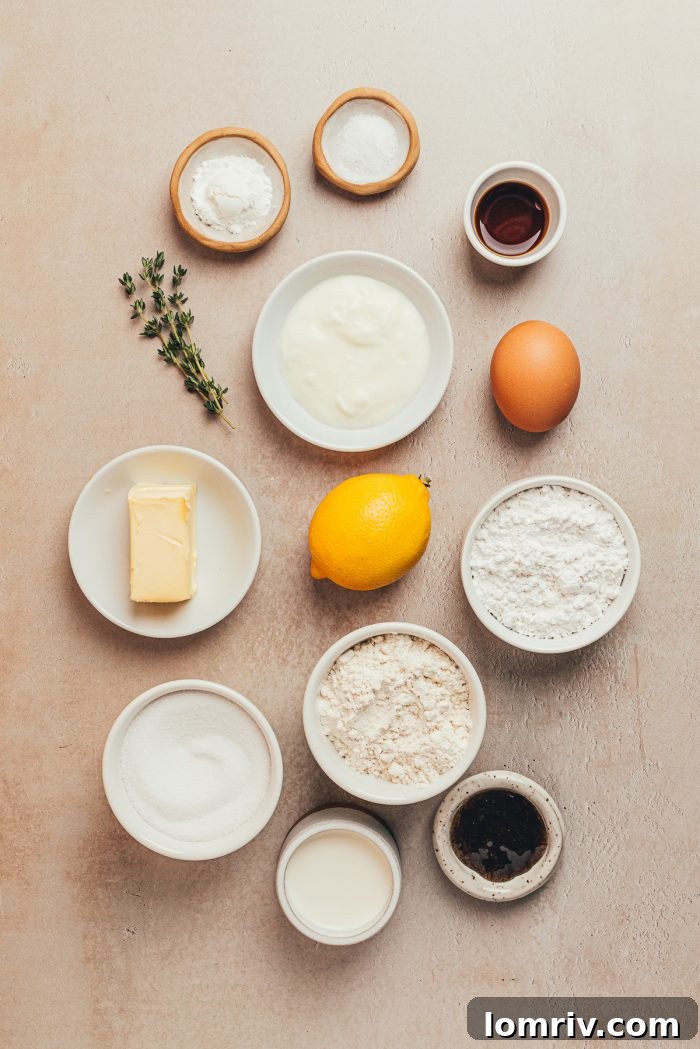
- 1 cup granulated sugar
- 1 tablespoon lemon zest, from about 2 lemons
- 1 ½ tablespoons packed fresh thyme leaves, finely chopped
- 1 ¾ cups all-purpose flour
- ½ teaspoon sea salt
- 1 ½ teaspoons baking powder
- 1 cup unsalted butter, at room temperature
- 3 large eggs, at room temperature
- 2 tablespoons fresh lemon juice, from 1-2 lemons
- 2 teaspoons vanilla extract (or vanilla bean paste for richer flavor)
- ⅓ cup plain full-fat yogurt, at room temperature
- 1 cup powdered sugar, sifted (for the glaze)
- 1 pinch sea salt (for the glaze)
- 1 ½ teaspoons vanilla bean paste (for the glaze)
- 3-4 tablespoons heavy cream (for the glaze)
How to Make Lemon Thyme Loaf Cake: Step-by-Step Guide
Preheat your oven to 350°F (175°C) and prepare a standard 1-pound loaf pan (approximately 8.5×4.5 or 9×5 inches) by generously greasing it with nonstick cooking spray or butter and flouring. This ensures easy release of your beautifully baked loaf.

In a small bowl, combine the granulated sugar, vibrant lemon zest, and finely chopped fresh thyme leaves. Use your fingertips to rub the lemon zest and thyme into the sugar for about a minute. This crucial step, known as “zesting into sugar,” releases the essential oils from the zest and thyme, infusing the sugar with incredible fragrance and flavor. Set this aromatic mixture aside for now.
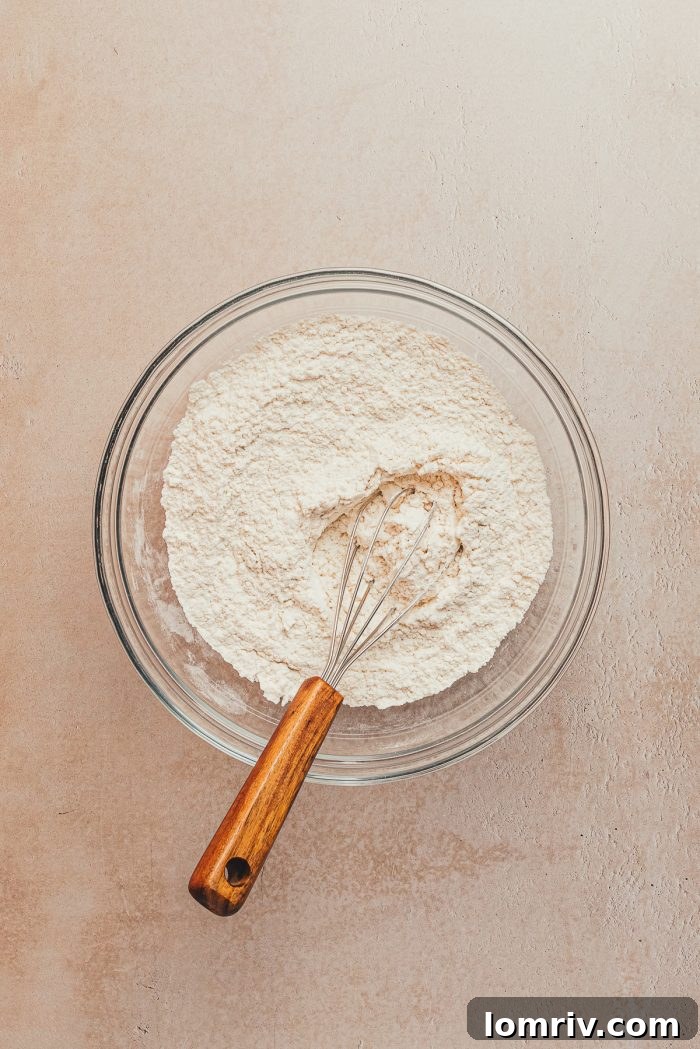
In a separate medium bowl, whisk together the all-purpose flour, sea salt, and baking powder. Whisking not only combines these dry ingredients evenly but also aerates them, contributing to a lighter, more tender crumb in the finished cake. Set this bowl aside.
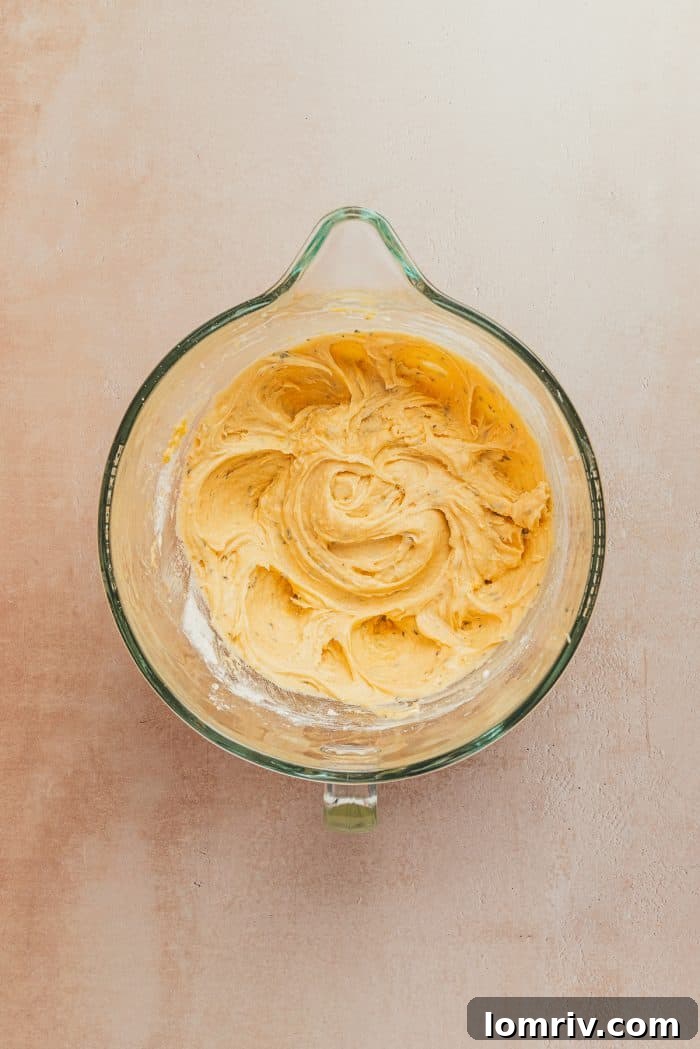
Using a stand mixer fitted with the paddle attachment, or a hand mixer, cream the room-temperature unsalted butter on medium speed until it’s light and creamy, typically one to two minutes. Stop and scrape down the sides of the bowl to ensure even mixing. Add the reserved fragrant sugar mixture to the butter. Beat on low speed initially, gradually increasing to medium speed, for two to three minutes until the mixture is light, fluffy, and pale in color. This creaming process incorporates air, which is vital for a tender pound cake.
With the mixer on low speed, add the large eggs one at a time, ensuring each egg is fully incorporated before adding the next. Don’t forget to scrape down the sides and bottom of the bowl frequently to prevent any unmixed pockets. Once the final egg has been incorporated, scrape the bowl one more time. Then, add the fresh lemon juice and vanilla extract (or vanilla bean paste). Mix on medium-low speed until just combined. Don’t be alarmed if the mixture appears slightly lumpy or “split” at this stage; the acidity from the lemon juice can cause this. It will smooth out once the dry ingredients are added.
With the mixer still running on low speed, add approximately half of the dry ingredient mixture to the wet ingredients. Mix until just combined, being careful not to overmix. Scrape down the bowl, then add the room-temperature plain full-fat yogurt, mixing until just incorporated. Finally, add the remaining flour mixture and mix until just combined and the batter appears uniform and creamy. The batter will be noticeably thick at this point, which is exactly what you want for a rich pound cake.
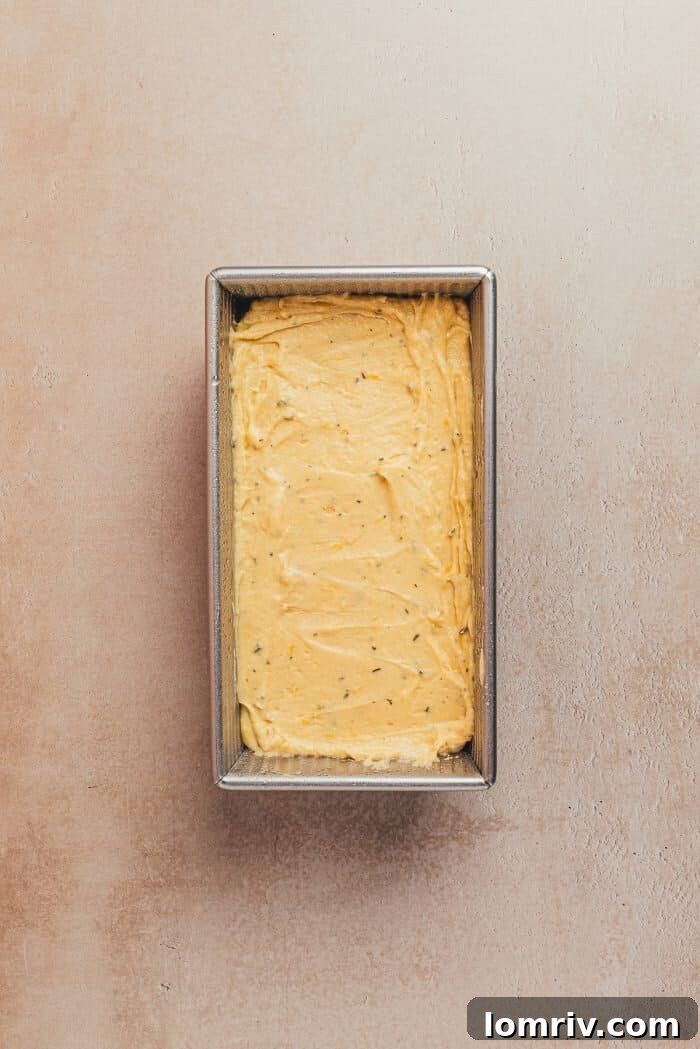
Carefully pour the thick batter into your prepared loaf pan and spread it into an even layer using a spatula. Bake on the middle rack of your preheated oven for about 50-60 minutes, or until the top is beautifully golden brown and a wooden skewer or cake tester inserted into the center comes out with only a few moist crumbs attached. It’s normal for a slight crack to appear along the top of the loaf during baking – this is characteristic of pound cakes. If you notice the top browning too quickly, you can loosely tent the loaf with aluminum foil during the last 15-20 minutes of baking.

Once baked, remove the loaf from the oven and let it cool in the pan on a wire rack for at least one hour. This allows the cake to set properly and prevents it from crumbling when removed. After this initial cooling, carefully invert the loaf onto the wire rack to cool completely before applying the glaze. Glazing a warm cake will cause the glaze to melt and run off, rather than set beautifully.
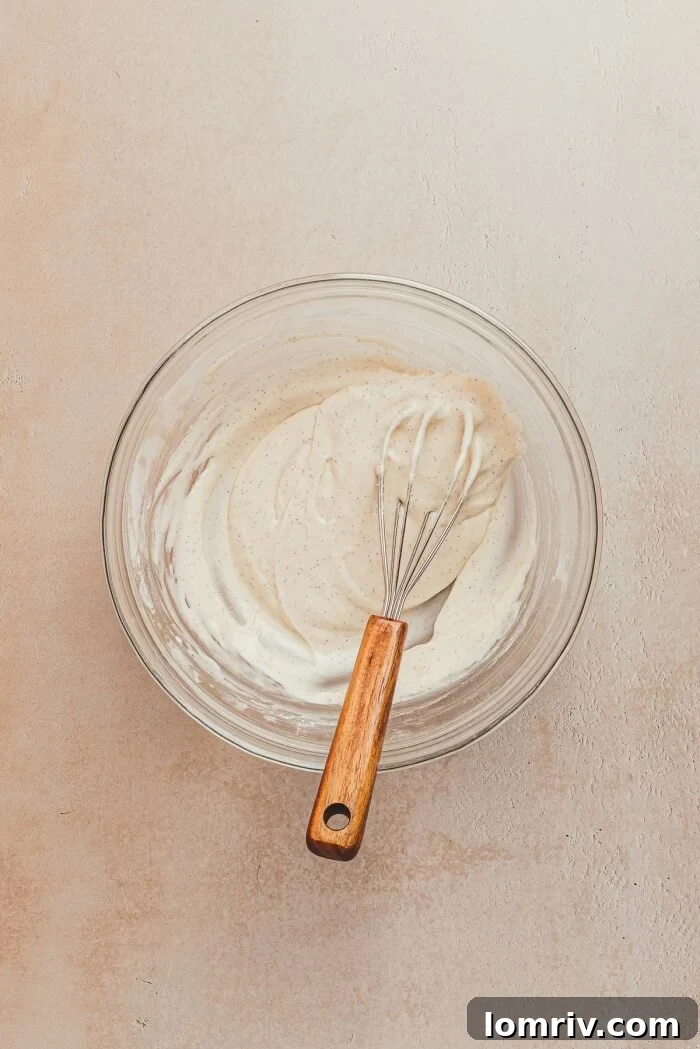
When your cake is completely cool and you’re ready to glaze, combine the sifted powdered sugar, a pinch of sea salt, the exquisite vanilla bean paste, and three tablespoons of heavy cream in a small bowl. Whisk vigorously until the mixture transforms into a thick, yet pourable consistency. If the glaze appears too thick to drizzle, add another splash or two of heavy cream, one teaspoon at a time, whisking well after each addition until you achieve the perfect flowing consistency. Remember, you want it thick enough to cling to the cake, but fluid enough to drip elegantly.

Generously pour the prepared glaze over the top of the completely cooled loaf cake. Allow the glaze a little time to set, especially if you desire neat, clean slices. Once the glaze has firmed up slightly, you can slice and serve. Alternatively, for a more rustic look, slice and serve immediately while the glaze is still soft and gooey. Garnish with a few fresh thyme sprigs or a sprinkle of lemon zest for an extra touch of elegance.
How to Store Your Lemon Thyme Loaf Cake
Proper storage is key to maintaining the freshness and deliciousness of your homemade pound cake. For optimal flavor and texture, store your loaf cake at room temperature. Wrap it tightly in plastic wrap or place it in an airtight container. When stored correctly, it will remain wonderfully fresh for up to four days. While refrigeration might seem like a good idea, it can actually dry out pound cake, so it’s best avoided unless absolutely necessary for extended storage beyond this period.
If you wish to enjoy your loaf cake over a longer period, it freezes exceptionally well. Wrap the entire cooled pound cake (unglazed, or with a fully set glaze) tightly in multiple layers of plastic wrap, then an additional layer of aluminum foil to prevent freezer burn. It can be stored in the freezer for up to three months. When you’re ready to enjoy a slice, simply thaw individual slices or the whole loaf at room temperature. Once thawed, it will taste almost as fresh as the day it was baked.

More Zesty Lemon Recipes to Try
If you can’t get enough of bright, tangy lemon in your desserts, here are some other fantastic recipes that celebrate this versatile citrus fruit:
- Lemon Blondies: Chewy, sweet, and bursting with citrusy goodness, a delightful alternative to brownies.
- Poppyseed Lemon Baked Donuts: Light, fluffy, and perfectly portioned, these baked donuts are a morning treat or sweet snack.
- Lemon Sugar Cookies: Classic sugar cookies infused with a sunny lemon twist, soft and delightful.
- No Bake Lemon Raspberry Cheesecake: A refreshing and effortless dessert, perfect for warmer days.
- Lemon Raspberry Bundt Cake: An elegant bundt cake combining the vibrant flavors of lemon and raspberry.

What are your thoughts on this unique and incredibly tasty lemon thyme loaf cake recipe? What would be your ideal pairing for a slice of this fragrant cake – perhaps a specific tea, coffee, or even a glass of sparkling wine? Share your ideas and comments in the section below! If you decide to bake this wonderful loaf and share your creation on social media, don’t forget to tag #aclassictwist so I can admire your beautiful baking efforts!
Happy baking, friends, and enjoy every flavorful bite!

Lemon Thyme Loaf Cake with Vanilla Bean Glaze Recipe
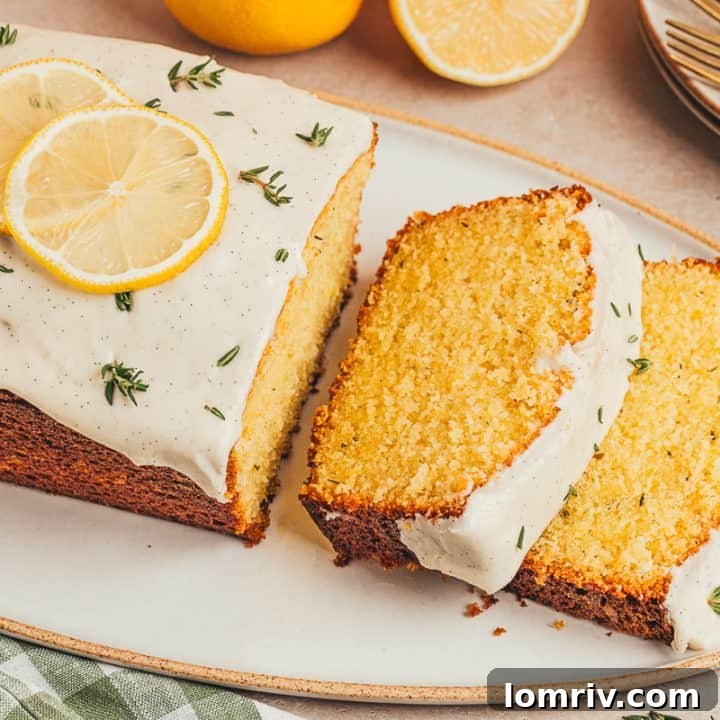
Lemon Thyme Loaf Cake with Vanilla Bean Glaze
This lemon thyme loaf cake with vanilla bean glaze is a fun and fragrant twist on the classic lemon pound cake. With just 15 minutes of prep time required, this loaf cake has a dense and buttery crumb punctuated by zingy lemon, herbal thyme, and cozy vanilla bean.
15 minutes
1 hour
1 hour 15 minutes
Ingredients
For the Lemon Thyme Loaf Cake
- 1 cup granulated sugar
- 1 tablespoon lemon zest, from about 2 lemons
- 1 ½ tablespoons packed fresh thyme leaves, finely chopped
- 1 ¾ cups all-purpose flour
- ½ teaspoon sea salt
- 1 ½ teaspoons baking powder
- 1 cup unsalted butter, at room temperature
- 3 large eggs, at room temperature
- 2 tablespoons fresh lemon juice, from 1-2 lemons
- 2 teaspoons vanilla extract (or vanilla bean paste for richer flavor)
- ⅓ cup plain full-fat yogurt, at room temperature
For the Vanilla Bean Glaze
- 1 cup powdered sugar, sifted
- 1 pinch sea salt
- 1 ½ teaspoons vanilla bean paste
- 3-4 tablespoons heavy cream
Instructions
- Preheat the oven to 350°F (175°C). Grease a standard 1-pound loaf pan (8.5×4.5 or 9×5 inches) with nonstick cooking spray.
- Add the granulated sugar, lemon zest, and chopped thyme leaves to a small bowl. Rub the lemon zest and thyme into the sugar for about a minute until highly fragrant. Set aside for now.
- Add the flour, salt, and baking powder to a medium bowl and whisk to combine and aerate. Set aside.
- Add the butter to the bowl of a stand mixer fitted with the paddle attachment. Beat on medium speed until creamy, about 1-2 minutes. Scrape down the sides of the bowl then add the sugar. Beat on low, working up to medium speed for 2-3 minutes until creamy and more pale in color.
- With the mixer on low speed, add the eggs one at a time, mixing each completely before adding the next one and scraping down the sides and bottom of the bowl as needed. Once the last egg has been incorporated, scrape the bowl once more then add the lemon juice and vanilla. Mix on medium low until combined. The acid in the lemon juice will make the mixture look lumpy and split but don’t panic! It will come together once the dry ingredients are added.
- With the mixer running on low, add half of the dry ingredients, mixing until just combined. Scrape the bowl then add the yogurt, mixing until just combined. Add the remaining flour and mix until just combined and the batter is uniform. The batter will be creamy and thick.
- Pour the batter into the prepared pan and spread it into an even layer. Bake on the middle rack of the preheated oven for 50-60 minutes or until the top is golden brown and a tester inserted into the center comes out with a few moist crumbs. Cool the cake on a wire rack for at least 1 hour before removing it from the pan. Cool completely on a wire rack before glazing.
- When ready to glaze, add the powdered sugar, salt, vanilla bean paste, and 3 tablespoons of heavy cream to a small bowl. Whisk vigorously until you have a thick but pourable consistency. If it’s too thick, add a splash or two more heavy cream until you reach the right consistency. Pour the glaze over the top of the cooled cake. For neat slices, wait until the glaze sets then slice. Or, slice and serve right away!
Notes
- It’s normal for there to be a crack through the center of the top of the cake. This is characteristic of many pound cakes.
- If you’re worried about the top browning too much before the loaf is fully baked, you can loosely tent the top with foil during the last 15-20 minutes of baking.
- Leftovers keep best in an airtight container at room temperature. Make sure to enjoy within 3-4 days for the best flavor and texture. While the cake can be stored in the fridge, it may dry out slightly, so it’s best consumed within 6-7 days if refrigerated.
FAQs
Can I add more lemon flavor? If you want a more intense lemony flavor, add 1-2 tablespoons of additional fresh lemon juice to the glaze and just enough heavy cream to bring it to the desired pourable consistency. I do not recommend adding more lemon juice to the cake batter itself, as too much liquid can negatively impact the texture, making the loaf too wet or dense.
Can I use Greek yogurt in place of plain yogurt? Yes, absolutely! You can use either plain yogurt or plain Greek yogurt. Greek yogurt will result in a slightly thicker batter, but both options work wonderfully. The most important factor is to ensure you use full-fat yogurt, as its fat content is crucial for achieving the best possible rich flavor and tender crumb in your pound cake.
Recommended Products
As an Amazon Associate and member of other affiliate programs, I earn from qualifying purchases.
- Kate Spade New York Willow Drive Cream Loaf Pan
- Professional-Grade Nonstick Loaf Pan 9 x 5
- OXO Good Grips Non-Stick Pro Loaf Pan, 1 lb.
Nutrition Information:
Yield:
10
Serving Size:
1
Amount Per Serving:
Calories: 455Total Fat: 22gSaturated Fat: 13gUnsaturated Fat: 9gCholesterol: 110mgSodium: 249mgCarbohydrates: 60gFiber: 1gSugar: 50gProtein: 4g
Making this Recipe?
Share it with us on Instagram using #aclassictwist so we can see what you are baking up in your kitchen!